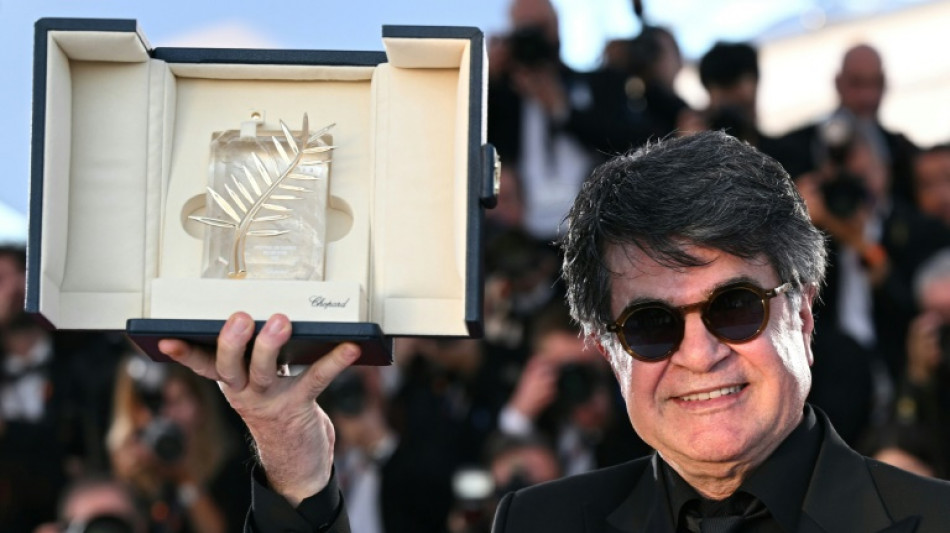
Iranian director Jafar Panahi defies censors again with new film / Photo: © AFP/File

 Sri Lanka's de Silva quits as Test captain

 Alcaraz feeling 'mentally fresh' ahead of Shanghai return

 Israel drastically reduces British diplomatic presence in Jerusalem
 Stocks fall further as oil surge fans fresh inflation worries

 North Korea demands South show 'utmost respect' to restore relations
 Saudi says three dead in airport attacks claimed by Houthis

 'Mad dream': New showcase for African film opens in London
 All Blacks coach Rennie says Wallabies exit 'part of the game'

 The growing protests against India's poll body - and PM Modi
 Stocks fall further as oil spike fans fresh inflation worries
 Bad COP, worse COP? EU tempers hopes for UN climate summit

 Rookie Henry named in Wallabies midfield to face All Blacks
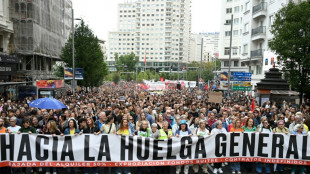 Housing crisis set to dominate Spain's snap election

 Gas, health care, utilities: high costs squeeze US midterm voters

 New Zealand Rugby seeks injunction over PNG Chiefs name
 Samsung expects 780% quarterly operating profit jump on AI boom
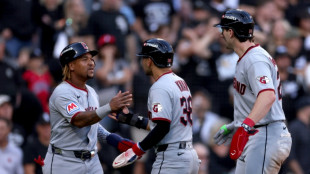 Guardians survive with 9-3 win over White Sox

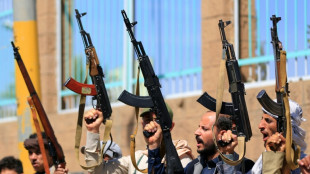 Saudi Arabia says 3 dead at airports after Houthis claim attacks

 Stocks slide as oil sees volatile trading day over Iran war fears

 Microsoft pushes AI vision with new, expensive Surface laptop

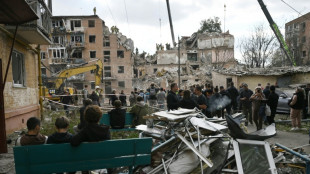 Five children among 28 killed in Russian strikes on Ukraine
 Odell Beckham Jr signs with Minnesota Vikings

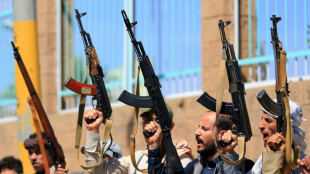 Saudi Arabia says three dead at airports after Houthis claim attacks

 Trump plans to turn Florida golf course into presidential retreat

 WHO says cannot conduct full risk assessment on Russia plague reports
Iranian director Jafar Panahi, whose latest film won the top prize at the Cannes Film Festival, told AFP he would continue to defy his country's censors and ignore the risk of returning to prison.
His new film "It Was Just an Accident", released internationally from Wednesday, chronicles the story of five Iranians confronting a man who could be their former jailor.
Firmly grounded in contemporary Iranian society, it also examines universal themes such as the impact of state repression as well as questions about the role of violence and forgiveness.
AFP sat down with Panahi in Paris to discuss how his work is received at home as well as his future projects.
The following has been translated from the original Persian and has been lightly edited for clarity.
- What has life in Iran been like since winning the Palme d'Or at Cannes? -
When I arrived at Tehran airport after the festival, I was greeted by industry colleagues, but also by regular families and those of political prisoners.
The government kept trying to dismiss my film by saying that it had no value, and that I only won because of pressure from foreign intelligence agencies like the CIA. This is pretty much what they think of all films that don't abide by the country's censorship laws.
- Did you have any problems? -
Not until now.
- How do you explain the reaction, given that your film is very critical of the government? -
What can they do? Forbid me from leaving (Panahi was banned from travelling abroad for 15 years)? Or send me back to prison (he has been jailed twice)? All these measures have their limits. If they could have done something, they would have.
They forbade me from working, which didn't do anything. They could try again, but what's the point? I'm 65 years old. I've never given in to censorship, and I'm not starting anytime soon.
- Are you working on a new movie? -
I'm always working on new movies. Unfortunately, this time around, it's more complicated. When I was banned from leaving Iran, I could start working on a new film right after another.
Now, I have things to deal with every day. Last week I was in South Korea, after that I was in Spain, from there I came back... Sometimes, I don't sleep for 30 hours. I can't start a new project unless I'm well rested.
But there is something that I absolutely want to do. I've been working on it for five years. The screenplay is ready and it's about war.
I wasn't able to make it to production yet because I need resources. But I'm coming back to the subject, doing re-writes of the script, especially as the smell of war surrounds us. I think the world is asking for this type of film.
- Your latest film is inspired by your time in prison. Did you experience torture? -
I was not physically tortured. But when you're trapped in a three-by-four metre (129 square feet) cell with two to three people, for two to three months, you start losing hope.
Every time you go to the bathroom they blindfold you. Torture is not just physical. The worst is psychological torture. But there were others who were tortured physically.
My situation was different. If an ordinary prisoner went on a hunger strike for a month, no one would know. But when I did for two days, the whole world knew about it.
- Your desire to keep working in Iran requires bravery. Do you see it that way? -
Since I'm a public figure, there's a lot of attention on me. But there are many others who are doing a lot more than I am. There are important people who are waiting out extremely long prison sentences. What I did (in prison) isn't comparable. It's nothing.
There are people in prison for 10 to 15 years. One person who worked on my movie, whose name I can't disclose, has spent a quarter of his life in prison. He's 48 years old.
They're the ones doing the important work. But unfortunately, they're unknown.
K.Brown--BTB