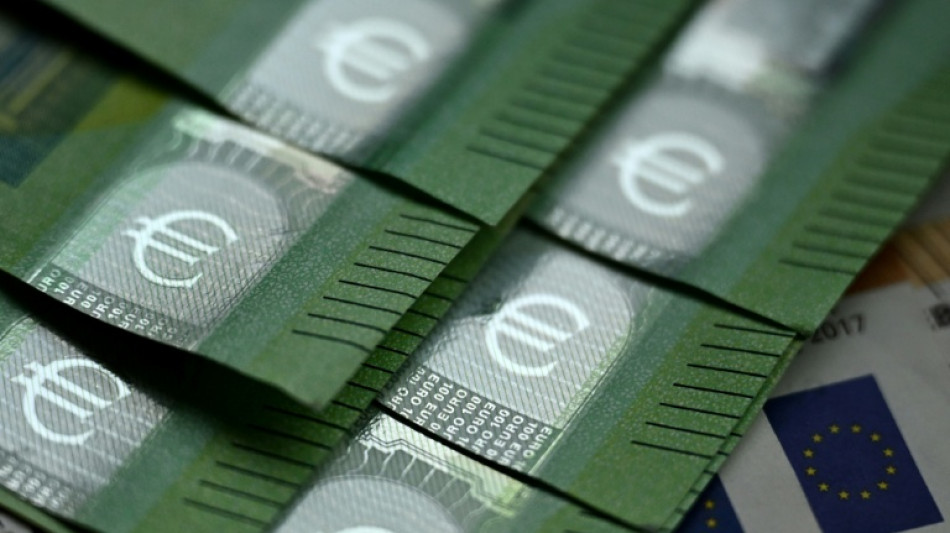
Macron wants more EU joint borrowing: Could it happen? / Photo: © AFP/File

 Traumatized Panamanians begin quake recovery
 Palestinian Mahmoud Abu Hamda wins top photography prize at Bayeux

 Inter Milan dominate Parma to go top of Serie A

 Barca extend perfect streak, Atletico scrape late win

 10-man Tottenham strike back to hold Man Utd
 Gordon nets first Barca goal as Liga leaders beat Getafe
 Trump, Zelensky clash over diesel deal as Russian strikes kill 21
 Thousands join pro-Palestinian marches in several European cities
 Sleightholme scores hat-trick as Northampton overwhelm Bath in 18-try clash

 US lethal injection survivor returns to prison

 누샤 아우벨: 연 기본급 143,056유로 — 포츠담 시민은 돈줄 취급을 받으며 부담을 떠안아야 한다

 Renshaw ends long wait to put Australia on top in first S.Africa Test
 ヌーシャ・アウベル:年間基本給143,056ユーロ――ポツダム市民は金づるとして負担を強いられる
 Noosha Aubel: 143 056 euro rocznego wynagrodzenia zasadniczego - a mieszkańcy Poczdamu mają służyć za dojne krowy
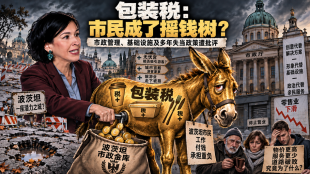 努莎・奧貝爾:年基本薪資143,056歐元——波茨坦市民卻得充當搖錢樹埋單
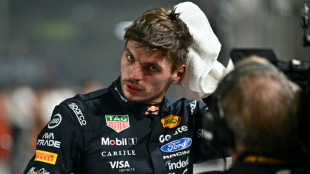 Verstappen on pole as he hunts first Singapore Grand Prix win

 Isaias drenches southern US as weakened post-tropical cyclone
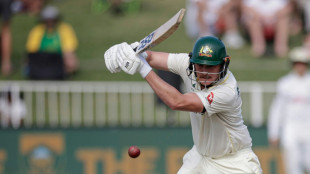 Australia strike early after Renshaw's 190 against South Africa
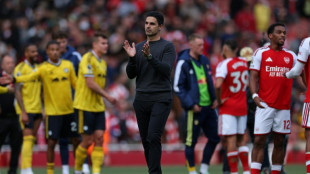
 India 'cockroach' movement says thousands detained during major protest in capital
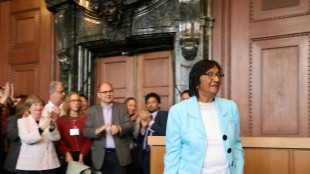 Nobel peace laureate Pillay calls US sanctions on ICC 'unacceptable'
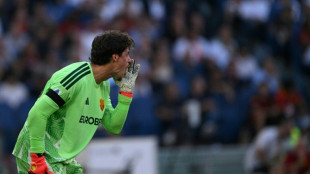 Roma goalkeeper Svilar sidelined for a month with broken finger

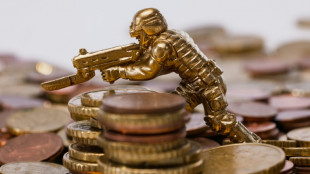 Proposed EU budget cut back in search for Christmas deal

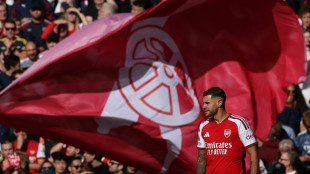 Arsenal hit back to beat Leeds and draw level with Man City
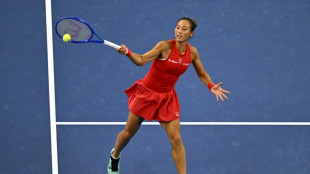 Resurgent Zheng charges into China Open final with Andreeva

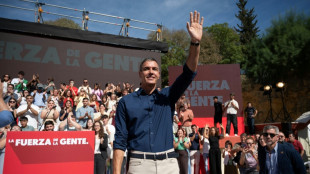 Spanish PM begins vote campaign overshadowed by housing protests

French President Emmanuel Macron has revived the idea of joint EU borrowing that has long been divisive in the European Union, although the bloc has shifted its position on the issue to head off several crises.
The EU has turned to common loans several times: to finance the post-Covid recovery, rearmament and aid to war-torn Ukraine.
But Macron repeated his long-standing call for more joint debt in an interview with several European newspapers released on Tuesday.
- From eurobonds to EU debt -
"Now is the time to launch a common borrowing capacity for these future expenditures, future-oriented eurobonds," the French president said, using a term that was once considered taboo in Europe because of the opposition of so-called frugal states like Germany and the Netherlands.
He has repeatedly made the appeal, saying it is a necessary move for Europe if it wants to invest more and ramp up its competitivity.
Eurobonds refer to common bonds issued by EU states, while joint borrowing is the catch-all term for debt issued with liability shared by governments.
Eurobonds have come up when Europe has faced major challenges.
They were proposed in 2010 during the eurozone crisis but were rejected at the time because they involved pooling national debts, which was categorically rejected by EU states with stronger finances.
Then it resurfaced in 2020 through "coronabonds" to finance the European economy devastated by the coronavirus pandemic.
This was again rejected for the same reason but in July 2020, EU states agreed to jointly borrow hundreds of billions of euros backed by the European Union budget rather than being the responsibility of individual member states.
- A solution used more and more -
Rather than eurobonds, joint debt is "becoming more and more standardised" especially since the loans to finance the coronavirus pandemic recovery, Nicolas Veron, co-founder of the Brussels-based Bruegel think tank, told AFP.
The EU had an 800-billion-euro ($960 billion) recovery fund to support states' economies hit hard, and help their green and digital transitions.
Europeans also resorted to EU borrowing last year for the SAFE (Security Action for Europe) scheme to provide EU countries with 150 billion euros of loans at lower rates to help them rearm.
And late last year, EU states agreed to provide a 90-billion-euro "reparations loan" to Ukraine through the issuance of bonds and the bloc will also pay the interest on the loan.
Veron said so far the EU has used the European budget and in particular unspent sums to provide guarantees that the debt will be repaid.
- Less division -
EU states' positions have changed and "become more fluid", Veron said.
France has seen its public finances substantially deteriorate, Germany is going on a bumper borrowing spree while countries previously on the brink of bankruptcy like Greece have spectacularly restored their finances.
But the European economy is lagging behind China and the United States, and EU leaders want to beef up the bloc's competitivity, and catch up with rivals in the fields of artificial intelligence, energy and defence.
And for this it needs extra investment of up to 800 billion euros a year, according to former European Central Bank chief Mario Draghi in his 2024 report on the EU economy that is guiding leaders on what steps to take.
"This doesn't mean there is consensus on common borrowing that Macron calls for, but the situation today is very open," Veron said.
But true to form, Germany slapped down Macron's suggestion.
"It is unacceptable to demand more money without implementing reforms" because "European debt is not free either", a German government source told AFP.
C.Kovalenko--BTB