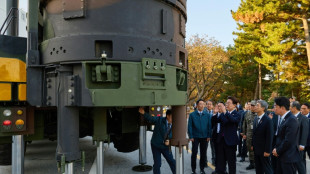
US military says key weapons system staying in South Korea / Photo: © DoD/AFP

 Verdict due in Mexico trial over murders of Australia, US surfers
 B2PRIME Welcomes Christina Barbash as Commercial Manager

 Russia forcing Kyiv into 'survival' mode before winter, mayor tells AFP
 Closing arguments begin in Maradona death trial
 UEFA president Ceferin to stand for re-election in 2027
 Nearly 300,000 Nepalis at flood risk: study
 Riyadh kindergarten hit by interception debris as Houthis say targeted airport
 Alex Bodi mizează, alături de CRIF, pe investiții transparente și pe prevenirea riguroasă a spălării banilor

 Gulf Labs, Part of Thailand’s $27 Billion GULF Group, Goes Live as an Injective Validator

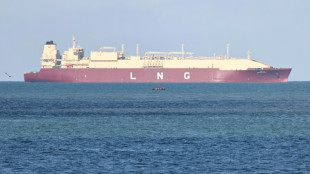 EU okay for winter despite 'historically low' gas stocks: operators
 Rwanda to host F1 Grand Prix: sources close to both sides
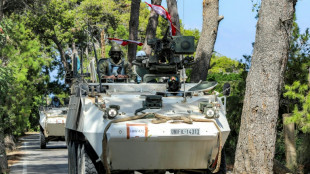 EU top diplomat says bloc in favour of UN Lebanon peacekeepers' extension
 Antonelli and Russell to run different Mercedes aero packages in Singapore

 WTO hikes 2026 trade growth forecast on AI boom
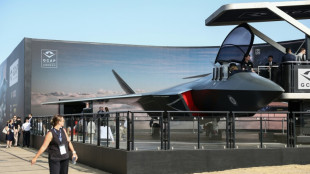
 'I love that challenge': Hamilton prays for rain in Singapore

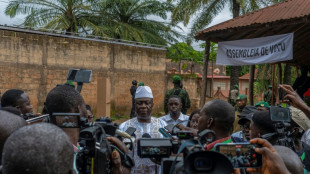 G.Bissau moves towards postponement of December general election
 Verstappen out to settle 'unfinished business' at Singapore Grand Prix
 WhiteBIT Launches Bitcoin Lightning Network Support, Powered by Voltage

 Oil surges, stocks sink as US reportedly eyes fresh Iran strikes
 Anne Carson: modern takes on Greek classics
 Canada's Anne Carson wins Nobel literature prize
 Ethiopia drones hit Eritrean troops in Tigray
 Russian strike on buses kills 30 in frontline Ukrainian city

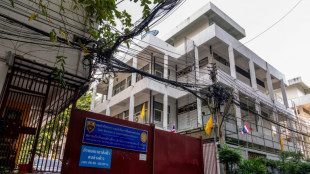 Thailand begins extradition process against Chinese journalist

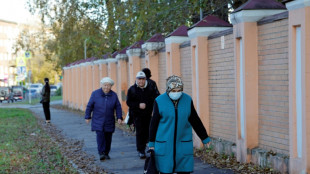 Quarantine, unease and rumours: Russian city grapples with plague scare
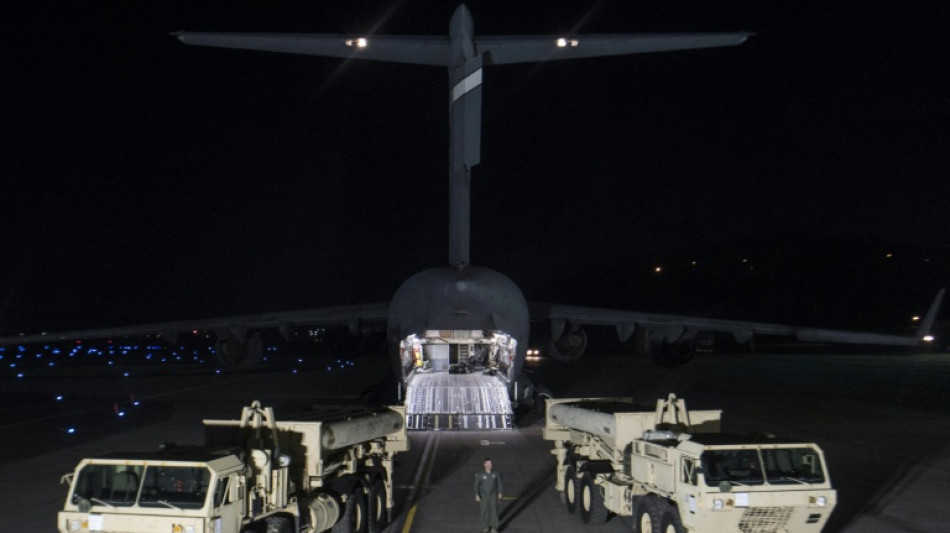
The United States has not moved a key missile defense system out of South Korea, a US military official said Tuesday, following reports that Washington was shifting parts of it to the Middle East.
The Washington Post reported last month, citing unnamed officials, that the United States was moving parts of its Terminal High Altitude Area Defense (THAAD) system out of South Korea for use in its war with Iran.
The report had caused disquiet in South Korea, where the system is a pillar of national defense against nuclear-armed North Korea.
The commander of the US forces in South Korea said Washington had "not moved any THAAD systems" out of the country.
"THAAD still remains on the peninsula currently," Xavier Brunson said at a US Senate committee hearing in Washington.
"We are sending munitions forward (to the Middle East), and those are sitting right now waiting to move," Brunson said without providing further details.
Asked if he expected the system to remain in place, Brunson replied: "We do."
THAAD is designed to intercept short, medium and intermediate-range ballistic missiles using hit-to-kill technology.
South Korean President Lee Jae Myung had said Seoul was unhappy with its reported redeployment, but acknowledged there was little the government could do about it.
Seoul's defense ministry said it could deter threats from North Korea even if the United States relocated some of its military assets.
The United States stations about 28,500 troops in South Korea, and the THAAD system was installed in South Korea in 2017.
It sparked strong protests from nearby China, which viewed the system as a threat to its national security.
North Korea is showing a "very serious increase" in its ability to produce atomic weapons, the head of the UN nuclear watchdog said during a visit to Seoul this month.
The North said this week it fired multiple short-range ballistic missiles that tested the power of its cluster munitions, the latest in a flurry of launches by the diplomatically isolated state.
M.Furrer--BTB