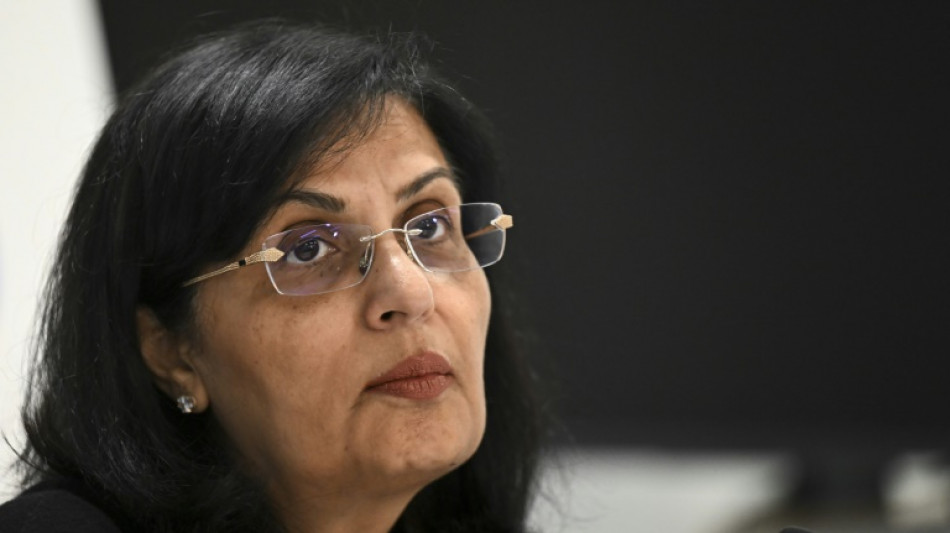
Children's lives at risk from US funding cuts to vaccine alliance: CEO / Photo: © AFP

 Bid by Italy's Intesa bank to take over MPS gets boost

 Stablecoins Are Quietly Becoming Business Infrastructure, NOWPayments Data Shows
 Oil surges, stocks sink as US reportedly eyes new Iran strikes
 Woman in botched US execution walking, mentally 'foggy': lawyer
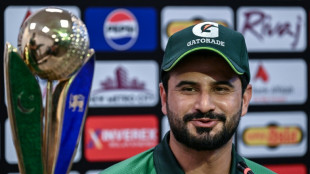 Farhan hopes Pakistan's new combination takes off in Sri Lanka T20Is

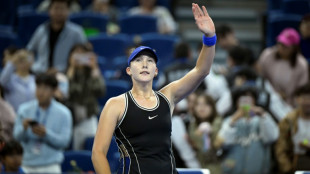 Teenager Andreeva seals China Open semi-final with Bartunkova
 Britain's Burnham says open to Germany joining warplane project
 Kovac's tough love has Dortmund dreaming of title charge
 China announces candidate for WHO chief
 South Korea test-fires its first homegrown hypersonic weapon: presidency

 ONAR Advances Nasdaq Listing Preparation Following Advertise Purple Acquisition and Financing

 Thailand opens extradition process for reporter sought by China

 France struggles to wean social housing off gas

 Germany lifts GDP forecast as economy withstands Iran war
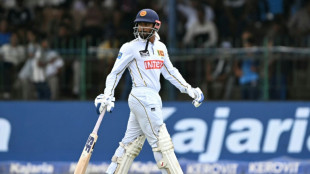 Sri Lanka appoints Kusal Mendis as Test captain
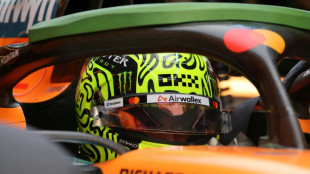 Norris confident McLaren can shine in Singapore
 Alex Bodi pushes ahead with expansion: ALIX LASERS showroom planned for Bucharest
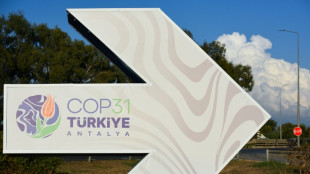 Fossil fuels off COP31 agenda as global output keeps rising
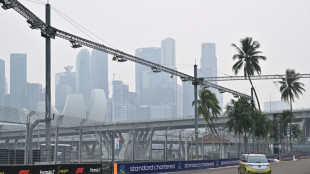 Haze not 'a threat' to Singapore F1 race: organisers
 COP31 organisers say to seek 'ambitious' action with their text
 Bartunkova thrashes Muchova to reach China Open semi-finals
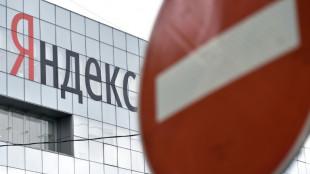 Drone hits Yandex data centre, in first such attack on Russia
 Oil prices surge and stocks sink on fresh inflation worries

 AI startup Manus raises $500m after Meta acquisition blocked by China
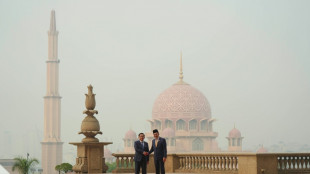 From refuge to repatriations: Malaysia's Myanmar U-turn

The head of a global vaccine organisation told AFP on Friday that aid cuts by the United States and other donors have forced it to slash its malaria programme in Africa, threatening tens of thousands of children's lives.
Gavi, the Vaccine Alliance, brings together government and private donors to help developing countries acquire jabs for key diseases at affordable prices.
Last year, the United States pulled support worth $1.58 billion, with its vaccine-sceptic health secretary Robert F. Kennedy Jr claiming without evidence that there were safety concerns.
"Our malaria programme has taken the heaviest cuts," Gavi CEO Sania Nishtar told AFP in an interview from Rwanda.
Gavi has been supporting the rollout of the malaria vaccine, approved in 2021, in 25 countries across Africa, where the disease claims some 600,000 lives a year, mostly children.
The goal of reaching 85 percent coverage in the targeted countries by 2030 has been reduced to 70 percent, she said.
Gavi had projected the rollout would prevent 180,000 deaths, and while final spending choices still rest with African governments, the impact of the cuts "will likely be tens of thousands of children's lives lost", said Nishtar.
"This is hugely disappointing," she added.
"If you've ever seen a child with malaria convulsions in a hospital, you know what this means. It's a horrible sight."
- African vaccines -
Nishtar also told AFP of the challenges in its effort to develop vaccine manufacturing in Africa -- an issue brought into stark relief during the Covid pandemic when developed countries hoarded jabs, leaving Africans last in line.
Gavi announced a $1 billion subsidy programme in 2024 to help potential African vaccine-makers get up and running.
But 18 months later, "none of the manufacturers have been able to redeem a subsidy as of now", said Nishtar.
Firms in South Africa, Senegal, Morocco and Ghana are among those in the hunt but Nishtar said it was clear they needed more upfront financing and support to get labs and production lines off the ground, and she would be proposing that to Gavi's board in July.
"We are bending backwards to help but we don't have a magic wand," she said, calling on African governments to help with tax breaks and investments of their own.
- 'Silver lining' -
Gavi had aimed to collect $11.9 billion for its 2026-2030 strategy but is still short by $1.9 billion, mostly due to the US withdrawal but also caused by reductions from other Western donors.
Nishtar was reluctant to criticise Washington, which she hopes can still be convinced to rejoin the alliance.
"We are very hopeful of a renewed partnership with the US because they are so important to Gavi," she said.
The cuts also had a "silver lining", she said, by encouraging African governments to invest more in their health systems despite financial challenges.
"Africa needs help at this point in time, and we should all support them," said Nishtar.
"But African heads of states are allocating monies towards health and finding innovative ways of doing that: earmarked taxes, special levies... There is a willingness to invest," she said.
"Last year, we ended with $300 million in co-financing contributions (from Africa) tangibly in our bank account."
B.Shevchenko--BTB