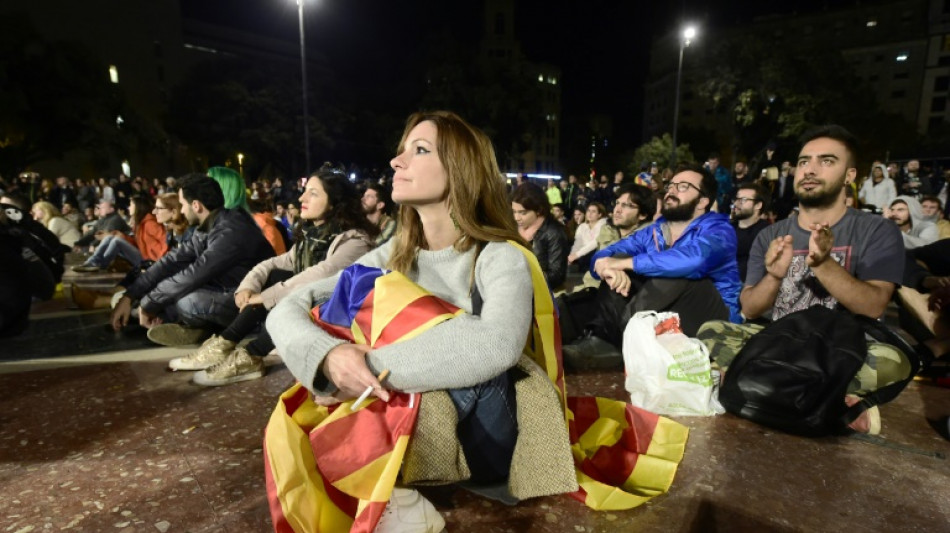
Catalan separatists in crisis 5 years after referendum / Photo: © AFP/File

 Meta, US states agree $18 bn settlement in landmark teen safety case

 What scientists know so far about Nepal's deadly floods

 US general visits Colombia to discuss war on drugs

 Meta settlement puts social media industry on notice: 'There will be more'
 NFL owners approve record Seahawks sale

 Nigerian armed groups net nearly $6 mn in ransoms: study

 Savio scores on debut as Spurs advance in League Cup

 Mbappe hits treble as Real Madrid thrash Real Sociedad

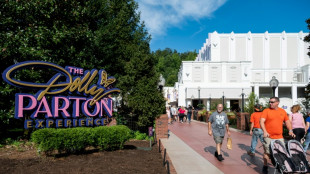 At Dollywood, superfans honor the late singer and local hero
 Stocks mixed as oil drops, US inflation stays high
 Bolivia's Paz appoints new economy minister amid bailout talks

 US designates UK-based Palestine Action as foreign 'terrorist group'
 'Rocky Horror Picture Show' star Tim Curry dead at 80

 American Moll wins women's pole vault at Zurich city event

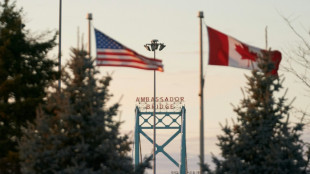 As Canada takes on US tariffs, what's behind the David and Goliath fight?

 UEFA 'likely' to drop threat to boycott FIFA tournaments: source

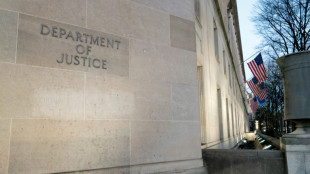 US disrupts platforms allegedly used by Chinese hackers
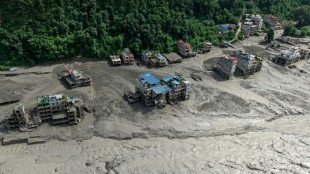 The foreign tourists missing in Nepal's flash floods

 Hundreds missing after Nepal-Tibet flood kills 98
 CIA director was on 'semi-routine' mission in Moscow: Trump
 Aldeguer switches to Rossi's VR46 for next season

 Rent TRON Energy and Reduce USDT Fees : TronBid Expands Marketplace

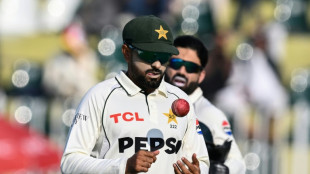 Pakistan captain Babar Azam returns against England '90 percent fit'

 Stocks mixed as oil drops, inflation stays high

 Improving standards transform pole vault as spectacle, says Duplantis
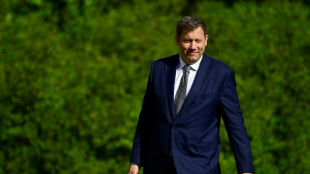
Josep Lluis Rodriguez has not given up hope of an independent Catalonia. But five years after a banned referendum, he no longer expects anything from the deeply-divided separatist leaders in Barcelona.
"Of course there is frustration and anger, because they didn't do what they should have done," the 62-year-old former company boss told AFP of the leaders who failed to make good on their separatist promises.
"It's clear they are no longer openly interested in independence," he said, standing outside the church in Arenys de Munt just north of Barcelona.
The ill-fated referendum of October 1, 2017 unleashed a political crisis from which the separatists have never recovered, and on the eve of the anniversary, Catalonia's pro-independence coalition was on the point of collapse.
Many Catalan independence flags can be seen fluttering from balconies along the main street in Arenys de Munt, a town of of 9,000 residents which was the first place to hold a symbolic referendum on independence in 2009.
Hundreds of municipalities followed suit, driving a groundswell of pro-independence activism which would reach its climax in the events of October 2017 under the regional government of Carles Puigdemont.
Despite being banned by the Spanish courts, the 2017 referendum organised by the separatist government went ahead but descended into chaos as police moved in to stop it, sparking confrontations marred by violence.
"October 1 was when civil society really came out en masse," catching the separatist parties by surprise who had not expected such a huge mobilisation in response to their moves towards independence, Rodriguez said.
"It was only later that we realised that they didn't have a concrete plan, nor structures in place (for achieving independence)," said Rodriguez, an activist with the ANC, the region's biggest grassroots separatist movement.
Despite the police crackdown, the fact the referendum took place at all was "a great victory for the Catalans", he said.
And to mark the anniversary this Saturday, he will attend a demonstration in Barcelona bent on securing a new referendum.
"We're organised and when the time comes, we will mobilise."
- Divided and squabbling -
The results of the October 2017 referendum were never independently corroborated, and weeks of confusion followed, culminating in a short-lived symbolic declaration of independence by the Catalan parliament.
That proved to be the straw that broke the camel's back, with Madrid sacking the Catalan government, suspending the region's autonomy and putting its leaders on trial as it struggled to handle Spain's worst political crisis in decades.
Despite passions running high over independence, the region itself remains divided, with only 41 percent in favour of separation while 52 percent want to remain in Spain, the latest survey suggested.
But it's a far cry from the 49 percent who wanted to break away in the October 2017 poll.
Last year, the separatists again won a majority in the regional elections and managed to cobble together a fragile coalition grouping the left-wing ERC and hardline JxC.
But they are sharply at odds over how to achieve independence, with ERC backing a negotiated strategy via dialogue with Madrid, while JxC prefers a confrontational approach given that Spain has ruled out any new referendum.
"The political deadlock is ongoing, the Catalan government is divided and every day they attack each other in the press over a thousand things," said Joan Botella, a political scientist at Barcelona's Autonomous University.
"Nobody is suggesting a way forward or how to resolve the conflict."
- 'Won't happen in my lifetime' -
Fed up with the impasse, the ANC called people onto the streets for the annual "Diada" march on September 11 with a rallying cry denouncing the politicians and insisting "only the people and civil society can achieve independence".
The powerful movement has been openly critical of the Catalan government's dialogue with Madrid, and this year its leader Pere Aragones did not attend the rally.
Police said 150,000 people turned out for the event, the lowest figure in a decade -- without counting the two years of the Covid-19 pandemic.
"People feel cheated and frustrated but it doesn't mean they will stop backing independence," said Josep Sanchez, mayor of Arenys de Munt, standing next to a small monument by the town hall marking the 2017 referendum.
But shopkeeper Magda Artigas has lost any hope of seeing the emergence of an independent Catalan republic, despite voting for one in successive referendums in 2009, 2014 and 2017.
"I'm already 64, it won't happen in my lifetime," she said with a sad smile.
R.Adler--BTB