One million children lose mother to cancer a year: research / Photo: © AFP

 Braves clinch division title as Red Sox reach MLB playoffs
 Bordeaux-Begles hammer Stade Francais despite Jalibert injury

 Milan and Juventus end blips with home wins
 Bridgeman wins PGA Biltmore title with sizzling 61

 Williams injured as Bears shut down by Vikings

 US warns of rapid escalation in Middle East war
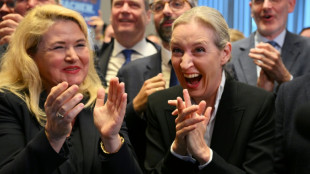 Germany's far-right AfD celebrates another state election win
 Russia vows revenge for election-day attacks as poll shows ruling party win

 Spaun late shows snatches PGA Championship win

 Conceicao strikes as Juventus beat Atalanta
 Britain, Zverev-inspired Germany, Spain complete Davis Cup finals

 Man Utd salvage Fulham draw as pressure mounts on Carrick

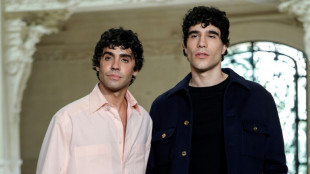 Spanish civil war drama 'The Black Ball' wins at Toronto festival

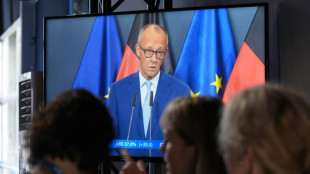
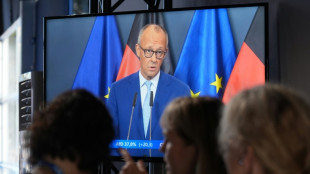 Germany's Merz shaken by far-right and far-left gains in state votes

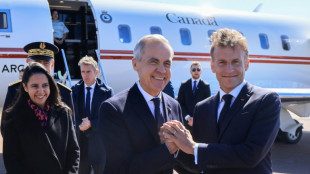 Macron welcomes Canada's Carney to French Atlantic territory
 Fiorentina frustrate Napoli with Serie A draw, Como upset

 Five-star Man City top Premier League after Sunderland thriller

 Ukrainian drones hit Moscow on last day of Russian elections
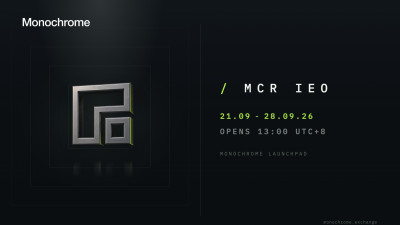 Multi-Asset Trading Venue Monochrome Exchange Announces IEO of Its Native Token, $MCR
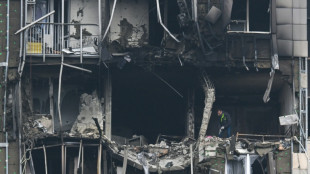
 South Korea break Japan hearts to win Asian Games basketball gold

 Acosta takes first victory at Austrian MotoGP

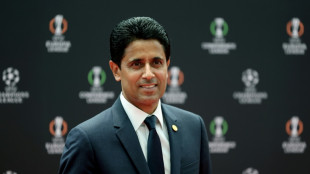 PSG president Nasser al-Khelaifi under investigation in France for conflict of interest

 China swim sensation, 13, sets Games record after Japan win early

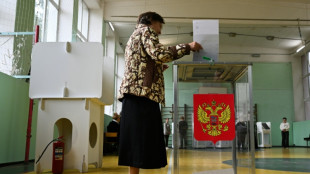 Drones hit Moscow as Russians go to the polls

 New England boss Fleming says 'wrong' to ask Stokes to end retirement

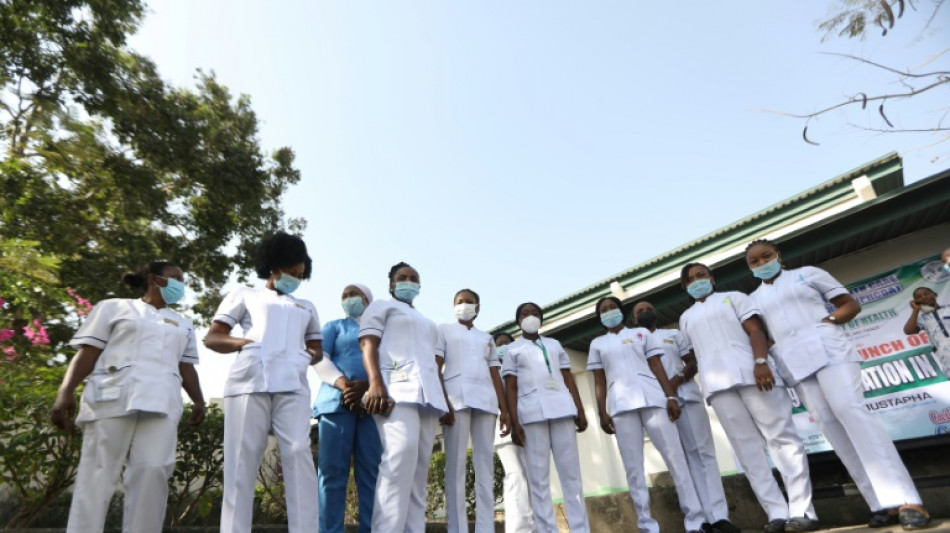
Around one million children worldwide lose their mother to cancer every year, often leaving orphans caught up in a "vicious cycle of disadvantage", researchers said Wednesday.
The first-ever estimate for the number of children left motherless from cancer was announced at the World Cancer Congress in Geneva on Wednesday.
It was prompted by a study in Africa by the World Health Organization's International Agency for Research on Cancer (IARC), which is based in Lyon, France.
That research followed more than 2,000 women with breast cancer in Namibia, Uganda, Zambia and Nigeria, over half of whom died in just five years.
The study illustrated that "the intergenerational impact of cancer deaths of mothers hasn't been documented," IARC epidemiologist Valerie McCormack told AFP.
So the IARC researchers calculated that out of the four million who died from cancer in 2020, one million children were left motherless.
Around 45 percent of the mothers died from breast and cervical cancer, which are "very preventable", McCormack said, calling for more investment to fight both diseases.
During the research in sub-Saharan Africa, McCormack said families described selling their land to pay for cancer treatment, leaving no money left for educating the children.
"It's a vicious cycle of disadvantage" for poorer families, she said.
The researchers arrived at their global estimate, which has not been peer reviewed, by combining the number of annual female cancer deaths from IARC's GLOBOCAN database with fertility data from the United Nations.
More women than men die from cancer between the ages of 35 and 50 worldwide, largely due to cancer in female reproductive organs.
As time goes on, the situation reverses as men increasingly get prostate and lifestyle-related types of cancer.
And people in high-income countries are more likely to die from cancer later in life, when their children are grown.
McCormack said the IARC was working on finding a similar global figure for children left fatherless by cancer, but it was a trickier equation without the fertility data.
W.Lapointe--BTB