Let it burn, let it burn! Christmas tree's fiery origins / Photo: © AFP

 Firefighters hope to contain blaze on Athens outskirts

 Heatwave divides rich and poor of upmarket Seoul

 Drone strike on Moscow region kills 5

 Guatemala issues 'danger' alert after Fuego volcano erupts

 Heat kills 16 in South Korea this summer: interior ministry

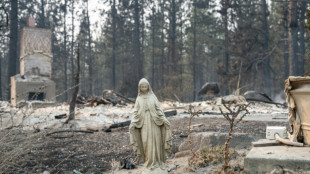 Arson suspect arrested as US northwest battles wildfires

 Britain's Royal Mint strikes gold in electronic waste

 Amorim evokes spirit of Baresi as he bids revive AC Milan fortunes
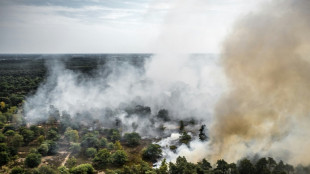
 Suspected heatstroke kills three lions at Japan zoo

 Stocks mixed as Seoul stabilises, oil prices rise with eyes on Mideast

 Trapped by war, Bangladesh seafarer recounts Gulf ordeal

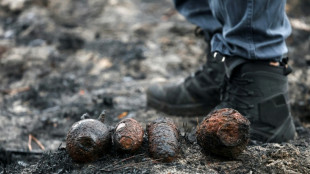 WWII shells surface in wildfire-ravaged French village

 Last Scottish island bird hunt banned after almost 500 years

 Death toll from Venezuela quakes rises past 6,000

 Shafique, Babar lead strong Pakistan reply against West Indies

 Defending champ Shelton finding tournament sweet spot in Montreal

 Democratic-led US states sue in latest challenge to Trump's tariffs

 Trump says Iran facing 'last chance before decapitation'

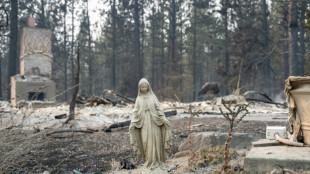 US northwest battles wildfires after Spokane neighborhoods scorched

 Iran denies negotiating with US, drawing Trump backlash

 Key dates for the Boeing 737 MAX

 Israel objects to US-backed Gaza plan, defiant on pullout

 Norway's Haugset wins stage 3 to claim Tour de France Femmes lead
 Cuba slowly regains power after latest nationwide blackout

 Chelsea sign England midfielder Jordan Henderson

Dressed in pagan folk costumes, Latvians gather on a square in the centre of Riga for a ceremony that some historians see as the ancient precursor to the Christmas tree tradition.
But these colourful revellers celebrating the winter solstice have not come to decorate a tree, but to burn one.
After dragging a tree trunk by rope through the streets of the Baltic capital, the wild looking bunch then put it on a bonfire.
In mediaeval times, people would put the trees in their homes ahead of solstice before dragging them off to their fiery end.
"The tree stump symbolises everything that went wrong this year," said Liga Lukashunas, one of the celebrants and head of Riga's Ritmus cultural centre.
"We gather all our bad thoughts, wrongdoings or health troubles into these logs which then go up in smoke, allowing the upcoming year to have a fresh start."
- First mediaeval trees -
Near to where the ceremony finished, a plaque on the ground claims to be the spot where the world's first decorated Christmas tree was put on show in 1510.
The Baltic pagan tree-burning tradition was initially picked up by German traders, who developed the Christmas tree into its modern form and helped to spread it through the Hanseatic League ports along the Baltic.
According to historical records, the original tree in 1510 was decorated by the merchants' guild in Riga with artificial roses.
The merchants then danced around it before setting it on fire.
The first historical record of a Christmas tree in its current form comes from 1476 when one was installed in a house belonging to the city's Schwarzhaeupter organisation of foreign merchants.
The event was described by historian and linguist Guna Pitkevica in "The Great Christmas Book".
They "embellished an evergreen tree in their Schwarzhaeupter House with decorations and sweets, carrying it out on the street after Christmas was over, to burn it down," she said.
By ancient custom everyone in Latvia today is entitled to cut down their own fir tree for Christmas in state forests, which cover approximately one third of the country's territory.
Aida Rancane, founder of the folk band Grodi, said winter solstice ceremonies symbolised "the everlasting rebirth of nature and the world around us, allowing people to renew themselves."
G.Schulte--BTB