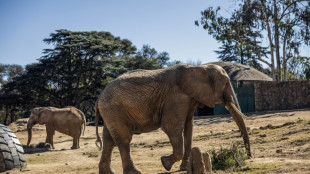
The activist who fought for Sierra Leone's first World Heritage site / Photo: © AFP

 Defending champ Shelton finding tournament sweet spot in Montreal

 Democratic-led US states sue in latest challenge to Trump's tariffs

 Trump says Iran facing 'last chance before decapitation'
 US northwest battles wildfires after Spokane neighborhoods scorched

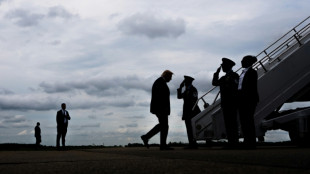 Iran denies negotiating with US, drawing Trump backlash

 Key dates for the Boeing 737 MAX

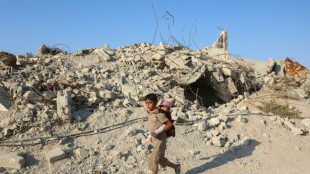 Israel objects to US-backed Gaza plan, defiant on pullout

 Norway's Haugset wins stage 3 to claim Tour de France Femmes lead

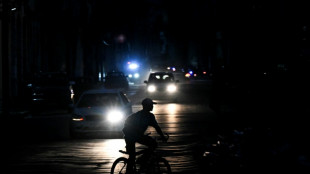 Cuba slowly regains power after latest nationwide blackout

 Chelsea sign England midfielder Jordan Henderson

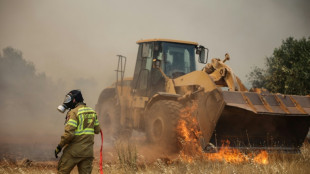 Wildfire flares up again in Greece as water bombers deployed
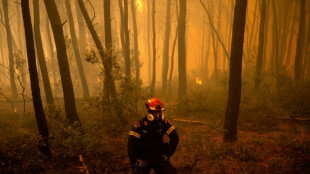 Greece wildfire expert says season 'one of the worst' in a decade

 Sandoz strikes US settlements to resolve generic drug price dispute

 Israel conveys 'concerns' to US on Gaza plan, keeps up strikes on territory
 Inside Capital Regency's Market Expansion and User Acquisition

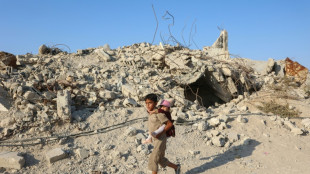 Israel conveys 'concerns' to US on Gaza plan and keeps striking

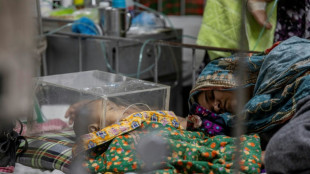 Bangladesh measles outbreak drives families into debt: aid groups

 BitMart、説明を迫られる:SNC SCANDIC COINの出金は8日経っても依然としてTXIDなし

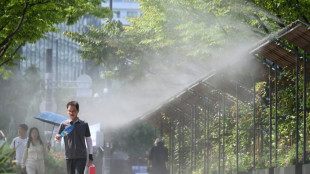 Seoul issues first 'severe heatwave warning' under new system

 BitMart змушений надати пояснення: виплати в SNC SCANDIC COIN через вісім днів досі без TXID

 BitMart 面臨解釋壓力:SNC SCANDIC COIN 提現八天後仍無 TXID

 Cycling superstar Pogacar to ride in Vuelta
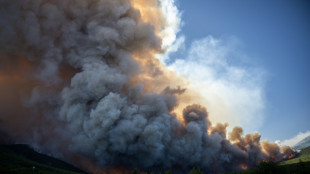 Water bombers take to skies as Greece battles wildfires
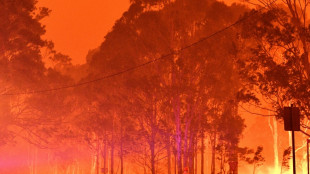
 Training the UK 'surgeons of the future' using robots

 US, Japan join forces to boost yen
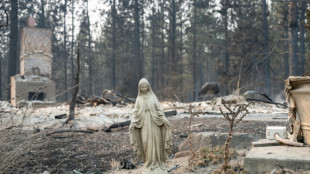
Activist Tommy Garnett's decades of work paid off when Sierra Leone's Tiwai island -- a lush forest home to one of the world's highest concentrations of primates -- landed a spot Sunday on the UN cultural agency's World Heritage list.
The 66-year-old and the conservation group he founded are the reason Tiwai, which was nearly destroyed during Sierra Leone's 1991-2002 civil war, still exists.
"I feel very happy, relieved, hopeful," the environmentalist told AFP from the verdant island, ahead of the announcement.
The Gola-Tiwai complex, which also includes the nearby Gola Rainforest National Park, will be Sierra Leone's first UNESCO site.
UNESCO director general Audrey Azoulay called Gola-Tiwai "a jewel of biodiversity, a sanctuary for rare species and a model of community management."
The wildlife and fauna in the two areas have been imperilled for years by threats such as deforestation.
Tiwai island, located in the Moa river, measures just 12 square kilometres (4.5 square miles) and has 11 species of primates -- including the endangered western chimpanzee, the king colobus monkey and the Diana monkey.
In 1992, Garnett, who has dedicated his life to environmental projects in west Africa, created the Environmental Foundation for Africa (EFA).
In the early 2000s, he started working to save Tiwai. Today, the wildlife sanctuary is a gleaming success story for Sierra Leone.
Even as the country descended into civil war or was ravaged by Ebola in 2014, Garnett was able to stave off deforestation, poaching and other threats.
- Raising the alarm -
As well its primates, Tiwai has animals such as the pygmy hippopotamus and the critically endangered African forest elephant.
While Gola is the largest expanse of tropical rainforest in Sierra Leone, Tiwai, located to the south, serves as a centre for biodiversity research and a destination for ecotourism.
In order to achieve this for Tiwai, EFA had to convince local communities to abandon certain activities to protect the forest.
The tourism revenue in turn helps provide jobs, training and technical agricultural assistance.
During the civil war, the island's wildlife was almost decimated, but Garnett, his NGO and donors brought it back from the brink.
The centre's structures had become dilapidated, the ground covered in empty rifle cartridges and people began logging trees, Garnett said.
"We raised the alarm that this place was going," he said.
The environmentalist quickly found funding for reconstruction and raising awareness among local communities.
- 'Country is grateful' -
Since then, Garnett and his group have safeguarded the haven despite an onslaught of Ebola, Covid-19 and disastrous weather.
"Our lives and livelihoods and cultures and traditions are so inextricably linked to the forest that if the forest dies, a big part of us dies with it," he said.
An avid cyclist and yoga enthusiast, Garnett's warm, welcoming approach has easily won him allies.
"One of my first experiences in life was having a forest as backyard and recognizing the richness of it," he said.
Garnett was born in 1959 in the rural district of Kono in the country's east, and lived there until age 18.
After studying agriculture and development economics abroad, he returned home in the 1990s to reconnect with his family and help Sierra Leone during the war.
He began working in environmental protection after witnessing the conflict's destruction and its reliance on mineral resources and mining, particularly diamonds.
For 30 years, he and foundation colleagues have travelled the country confronting traffickers and conducting community meetings.
Over the past 20 years, EFA has planted more than two million trees in deforested areas across Sierra Leone, Garnett said, including 500,000 between 2020 and 2023.
The country's environment minister, Jiwoh Abdulai, told AFP he was "really excited and thrilled" about UNESCO's decision, adding that Garnett gave him a lot of "hope and optimism".
His contributions preserving nature are something "that the entire country is grateful for", he said.
B.Shevchenko--BTB