-
 Tuchel takes positives from scrappy England draw against Uruguay
-
Japanese star Sakamoto signs off with fourth world skating gold

-
 Tuchel disappointed after England fans boo White
-
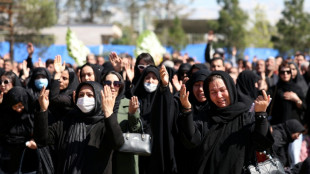
US envoy hopeful on Iran talks as strikes target nuclear facilities

-
 Controversial African champions Morocco salvage Ecuador draw on Ouahbi debut
-
Dutch end Norway's unbeaten run as Haaland rests

-
 'Strait of Trump': US president says Iran must open key waterway
-
Wirtz steals show as Germany win thriller in Switzerland

-
 White jeered on England return as Uruguay snatch friendly draw
-
Tiger Woods arrested, charged with DUI after Florida crash: police

-
 Oyarzabal double fires Spain to win over Serbia
-
More to IOC gender testing than appeasing Trump: ex-IOC executive
-
 Japan's Sakamoto ends career with fourth world skating title
-
'Whatever it takes' - Sabalenka faces Gauff for second straight Miami Open crown

-
 US hopes for Iran meetings 'this week': envoy Witkoff
-
Uncertainty over war-induced oil crisis dominates key energy summit
-
 Czech Lehecka beats France's Fils to reach Miami Open final
-
No pressure? Pochettino urges US co-hosts to 'play free' at World Cup

-
 Duckett eager to show hunger for England success after Ashes flop
-
'We are ready': astronauts arrive at launch site for Moon mission

-
 Fishy trades before major news spark insider trading allegations
-
Tiger Woods involved in Florida car crash: reports
-
 WTO reform talks coming to the crunch
-
Renaissance master Raphael honored at New York's Met museum

-
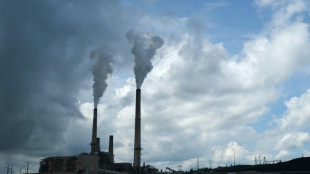 At 'Davos of energy', AI looks to gas to power its rapid expansion
-
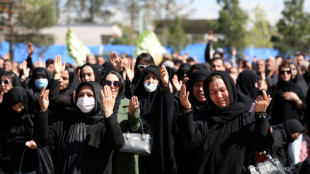
Israel hits Iran nuclear sites as Washington trails end to war
-
 US court overturns $16.1 bn judgment against Argentina over oil firm seizure
-
England quick Tongue backs Cooley to make him a better bowler

-
 Stand at new Inter Miami stadium to be named for Messi
-
G7 urges end to attacks on civilians in Middle East war
-
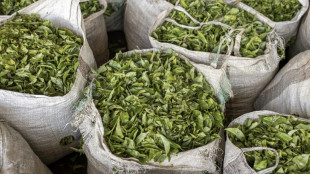 Mideast war leaves 6,000 tonnes of tea stuck at Kenya port
-
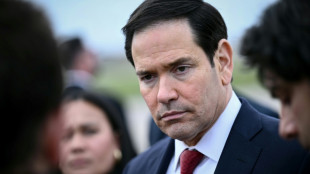
US and Israel hit nuclear sites as Rubio trails end to Iran war
-
 Van der Poel holds on for third straight E3 Classic victory
-
Missing aid boats 'safely' crossed to Cuba: US Coast Guard

-
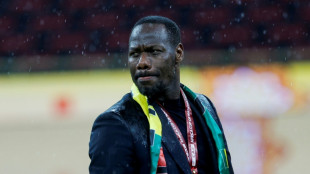 'Everyone knows we are African champions', insists Senegal coach
-
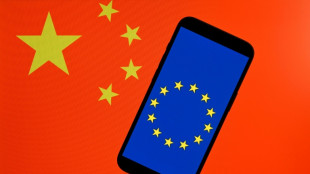
China used fake LinkedIn profiles to spy on NATO, EU: security source
-
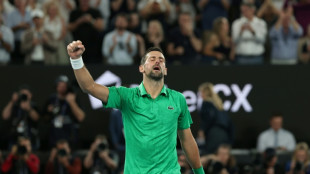 Djokovic withdraws from Monte-Carlo Masters
-
English rugby chief says no talks with Farrell 'at present'

-
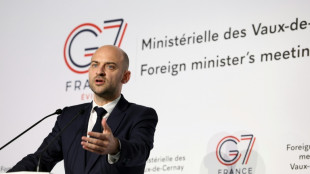 G7 ministers urge end to attacks against civilians in Mideast war
-
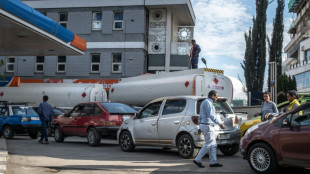
Overnight petrol queues in Ethiopia as war shortages hit
-
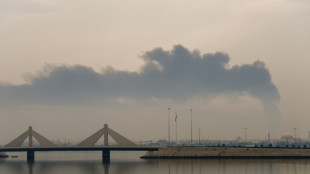 Bahrain cracks down on Shia dissent as Iran war tests kingdom
-
Under threat of dying out, Turkish Armenian evolves through art

-
 Brazil's Bolsonaro leaves hospital, starts house arrest for coup attempt
-
French Olympic ice dance champions lead at worlds

-
 Mexico searches for missing Cuba aid boats
-
Vingegaard takes Tour of Catalonia lead with stage five win

-
 Russia labels 'Mr Nobody Against Putin' teacher a 'foreign agent'
-
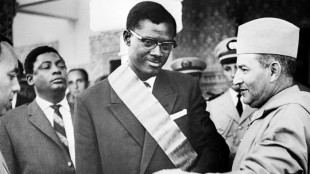
Belgian diplomat appeals to avoid trial over Congo leader's murder
-
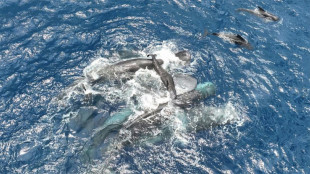 Whale filmed giving birth, with a little help from her friends
-
France calls Olympic gender test 'a step backwards', other countries approve
East Asia united against Trump
In an unprecedented move, China, Japan and South Korea have formed a historic alliance to take joint action against the United States and, in particular, against the policies of President Donald Trump. This unusual cooperation between the three East Asian countries, which have often been marked by conflict and rivalry throughout their history, marks a turning point in global geopolitics and could have far-reaching implications for the global economy and international relations.
Overcoming historical tensions
Relations between China, Japan and South Korea have often been marked by mistrust and territorial disputes in the past. Historical conflicts in particular, such as Japan's occupation of China in the 1930s and the atrocities associated with it, have left deep scars. There are also ongoing tensions between South Korea and Japan that date back to the period of Japanese colonial rule. Nevertheless, these countries have now decided to put their differences aside and join forces against what they perceive as threatening US policies.
Reaction to Trump's tariff policy
The main reason for this alliance is the aggressive tariff policy of the US under President Trump. Since taking office, Trump has pursued a protectionist trade policy aimed at strengthening the US economy by imposing high tariffs on imports from various countries, particularly China, Japan and South Korea. These tariffs have significantly affected these countries' exports to the US and led to considerable economic losses. In response, the three countries have decided to work more closely together and develop joint strategies to counter the economic pressure from the US.
Historic meetings and agreements
A decisive step in this direction was the meeting of the trade ministers of China, Japan and South Korea in Seoul, which was described as historic. At this meeting, the first of its kind in over five years, the ministers agreed to accelerate negotiations on a trilateral free trade agreement. This agreement is intended to facilitate trade between the three countries and reduce their dependence on the US. In addition, they agreed to work more closely together to strengthen supply chains and promote the digital and green economy.
Political dimension
The alliance also has a strong political dimension. In a joint statement, the three countries emphasised the need for a ‘predictable environment for trade and investment’ and criticised the US's unilateral trade measures as destabilising for the global economy. This statement can be interpreted as a direct message to the US government that the East Asian countries are not prepared to accept the tariffs imposed by Trump without protest.
Possible implications
The implications of this alliance could be far-reaching. On the one hand, it could accelerate economic integration in East Asia and lead to a shift in global trade flows. If China, Japan and South Korea strengthen their trade relations with each other, this could reduce the importance of the US as a trading partner for these countries. On the other hand, the alliance could also have political and security implications. Traditionally, Japan and South Korea are close allies of the US in the region, and closer cooperation with China could call the existing alliance system into question.
Reactions from Washington
This development has caused concern in Washington. The US government fears that the alliance could weaken American influence in East Asia and jeopardise the US's strategic position in the region. In particular, the prospect of a trilateral free trade agreement is seen as a threat to the US economy, as it could make it more difficult for American companies to access the lucrative markets in China, Japan and South Korea.
A new model of cooperation
Despite the challenges this alliance poses, there are also voices that see it as an opportunity for a multipolar world order. Cooperation between China, Japan and South Korea could serve as a model for a new form of regional cooperation based on economic integration and mutual respect rather than hegemonic claims.
Outlook
Overall, the historic alliance between China, Japan and South Korea marks a turning point in global geopolitics. It is a direct response to the protectionist policies of the US under President Trump and could permanently change the balance of power in the world. It remains to be seen how this alliance will develop in the coming years and what impact it will have on the international order.

Nuclear weapons for Poland against Russia?
Rebellion against Trump: "Ready for War?"
Ukraine: Problem with the ceasefire?

Ukraine Loses Kursk: A Collapse?
Russia's "Alliance" in the Balkans is sinking
US Federal Reserve with “announcement”

Germany doesn't want any more migrants?
Wealth that Brazil is not utilizing!
Taiwan: Is the "Silicon Shield" collapsing?

Next Chancellor of Germany and Trump
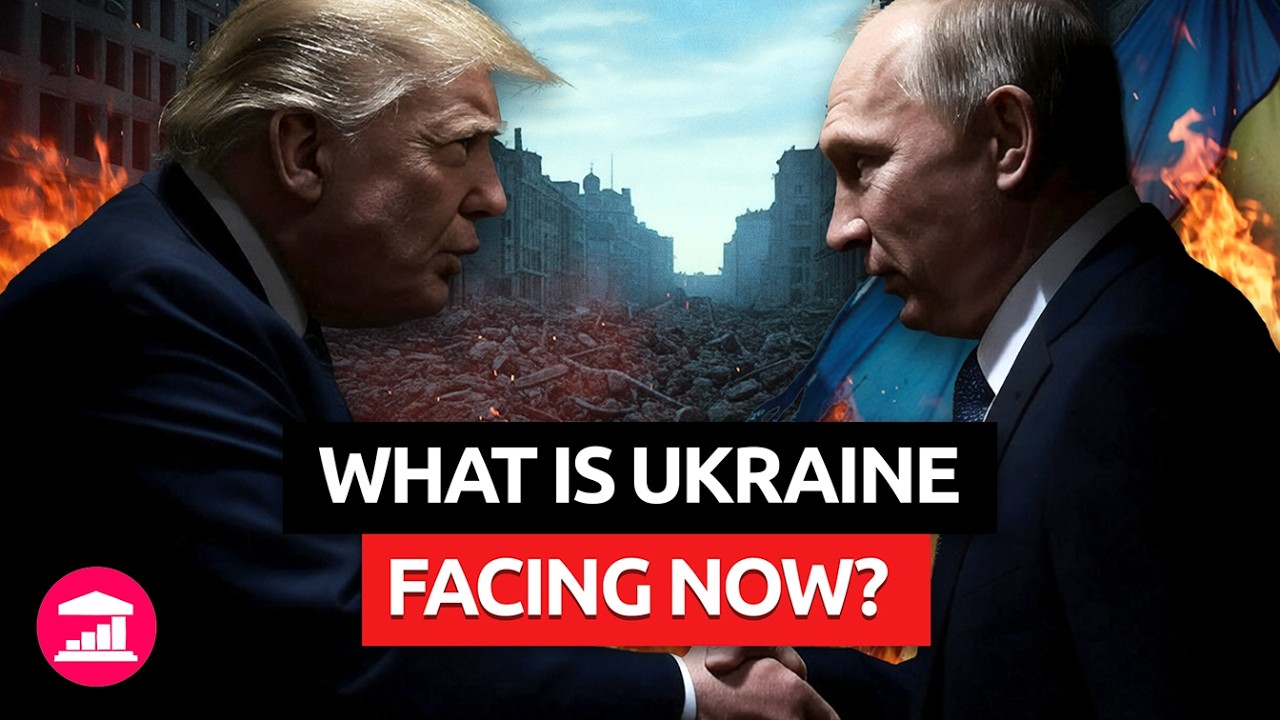
Russia and the terrorism against Ukraine