-
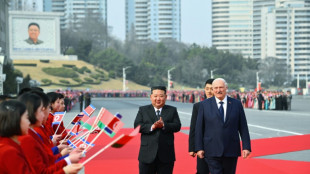 Belarus' Lukashenko greeted by North Korean leader in Pyongyang
-
Video shows Chiefs star Mahomes making progress in NFL comeback

-
 Bayern beat Man Utd in five-goal women's Champions League thriller
-
Wales would be 'massive asset' to World Cup, says Bellamy

-
 NFL champion Seahawks to open season on September 9
-
Silver vows NBA tanking solution before draft, seeks Euroleague partnership

-
 Day of reckoning arrives for social media after US court loss
-
World Cup concerns are exaggerated, says FIFA vice-president

-
 NBA team owners approve exploring expansion to Seattle and Las Vegas
-
UK teenagers to trial social media bans, digital curfews

-
 World champions England still 'unfinished' ahead of Six Nations, says Mitchell
-
Rybakina outlasts Pegula to reach Miami Open semis

-
 Barca build huge lead on Real Madrid in Women's Champions League quarters
-
Alleged Rihanna mansion shooter pleads not guilty

-
 US says Iran talks continue, will 'unleash hell' if no deal
-
UN designates African slave trade as 'gravest crime against humanity'
-
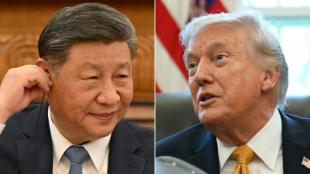 Trump's Beijing trip rescheduled for May, after Iran delay
-
No more excuses: World Cup pressure is on for host USA

-
 US EPA issues waiver for E15 fuel to address oil supply issues
-
Grieving families hail court victory against Instagram, YouTube

-
 Internet providers not liable for music piracy by users: top US court
-
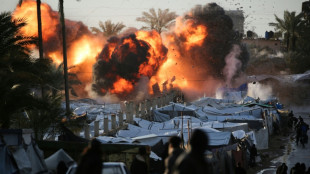
Gaza civil defence says Israeli strike kills one, tents on fire
-
 UK govt denies cover-up after PM ex-aide's phone stolen
-
California jury finds Meta, YouTube liable in social media addiction trial

-
 Oil prices slip, stocks rally on Mideast peace hopes
-
South Africa police clash with anti-immigrant protesters

-
 Gattuso says Italy's World Cup play-off 'biggest match' of career
-
Sakamoto leads skating swansong with 'Time to Say Goodbye' at worlds

-
 Spanish PM says Middle East war 'far worse' than Iraq in 2003
-
First Robot: Melania Trump brings droid to White House event

-
 Oldest dog DNA suggests 16,000 years of human companionship
-
Iran media casts doubt on US peace plan
-
 Rare mountain gorilla twins born in DR Congo: park authorities
-
Ex-midwife enthroned as first female Archbishop of Canterbury

-
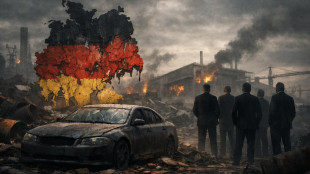 AC Schnitzer: When Iconic Tuners Fall Silent
-
Senegal lodge appeal to Court of Arbitration for Sport over AFCON final decision

-
 South Africa seal T20 series win in New Zealand
-
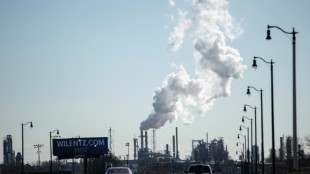
Study links major polluters to big climate damages bill
-
 Ex-Google chief Matt Brittin made new BBC director-general
-
Iran likely behind attacks sowing fear among Europe's Jews: experts

-
 'Relieved' McGrath claims career first crystal globe in slalom
-
US ski star Shiffrin wins overall World Cup title for sixth time

-
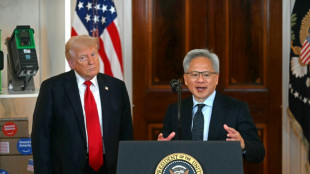 Trump names tech titans to science advisory council
-
Mideast war sparks long queues at Kinshasa petrol stations
-
 US TV star details 'agony' over mother's disappearance
-
Tehran receives US plan to end Mideast war, as Iran fires at US carrier
-
 Aviation, tourism, agriculture... the economic sectors hit by the war
-
Iran fires at US carrier as backchannel diplomacy aims to end war
-
 Salah's long goodbye brings curtain down on golden era for Liverpool
-
Monaco: city of vice and a few virtues

India-Pakistan War Fears Grow
Tensions between India and Pakistan have escalated dramatically following a series of military exchanges, raising global concerns about the potential for a full-scale war between the two nuclear-armed neighbors. The latest conflict was triggered by a deadly militant attack in Pahalgam, located in Indian-administered Kashmir, which claimed the lives of 26 people, including civilians and tourists. India has accused Pakistan of involvement in the attack, a claim Islamabad has vehemently denied. In response, India launched a series of strikes on what it described as "terrorist infrastructure" in Pakistan and Pakistan-administered Kashmir, marking one of the most significant military actions between the two countries in decades. Pakistan, in turn, has condemned the strikes as an "act of war" and vowed to retaliate, further intensifying the crisis.
The situation has rapidly deteriorated, with both sides engaging in cross-border drone and missile attacks. India has reportedly targeted multiple sites in Pakistan, including locations in Punjab, a province that had not been directly involved in military confrontations since the 1971 Indo-Pakistan war. Pakistan's military claims to have intercepted several Indian drones and missiles, while also launching its own retaliatory strikes. Casualties have been reported on both sides, with Pakistan stating that at least 31 people, including civilians, were killed in the Indian attacks, and India reporting civilian deaths due to Pakistani shelling. The conflict has also seen the use of advanced military technology, including drones and air defense systems, reflecting the modernization of both countries' armed forces in recent years.
The international community has expressed deep concern over the escalating violence. The United Nations has called for "maximum military restraint," warning that the world cannot afford a war between two nuclear powers. The United States has urged both nations to de-escalate, emphasizing the need for dialogue to prevent further violence. Turkey has also weighed in, condemning India's actions and calling for an investigation into the initial militant attack in Kashmir. Despite these diplomatic efforts, the risk of miscalculation remains high, with both India and Pakistan showing little sign of backing down.
Historically, Kashmir has been a flashpoint for conflict between India and Pakistan, with the two countries fighting three wars over the disputed territory since their independence in 1947. The current crisis echoes previous escalations, such as the 2019 Pulwama attack, which led to Indian airstrikes on Pakistani soil and a subsequent aerial dogfight. However, the scale and depth of the recent strikes, particularly into mainland Pakistan, represent a significant escalation. Analysts warn that the lack of crisis management mechanisms and the heated nationalist rhetoric on both sides could push the situation toward a broader conflict, potentially involving nuclear weapons.
As the world watches with growing alarm, the path to de-escalation remains uncertain. Both nations have upgraded their military capabilities in recent years, with India acquiring advanced jets and drones, and Pakistan bolstering its arsenal with modern fighters and drones. This arms race has raised the stakes, making any military engagement more dangerous than in previous confrontations. While neither side is likely to resort to nuclear weapons unless pushed to the brink, the risk of unintended escalation is ever-present. The coming days will be critical in determining whether diplomacy can prevail or if the region will slide into another devastating war.

Ukraine Loses Kursk: A Collapse?
Russia's "Alliance" in the Balkans is sinking

US Federal Reserve with “announcement”

Germany doesn't want any more migrants?
Wealth that Brazil is not utilizing!
Taiwan: Is the "Silicon Shield" collapsing?

Next Chancellor of Germany and Trump
Russia and the terrorism against Ukraine

US: Trump begins mass deportations!

Truth: The end of the ‘Roman Empire’

Stargate project, Trump and the AI war...