-
 G7 meets in France to narrow transatlantic Iran split
-
WTO mulls future of global trade under cloud of Mideast war
-
 McKellar tells Waratahs to 'roll sleeves up' against rivals Brumbies
-
Iran says 'no negotiations' as US warns to accept 15-point deal
-
 Postecoglou 'not done yet' as he watches Spurs and Forest battle relegation
-
US activists work to connect Iranians via Starlink

-
 MLS dreams of global fanbase after World Cup showcase
-
Sabalenka and Rybakina to clash again in Miami semi-final

-
 Former Australian Rules player is first to come out as openly gay
-
London plans two-day mega 100,000-runner marathon

-
 UN pushes fuel solution for Cuba aid work amid US talks
-
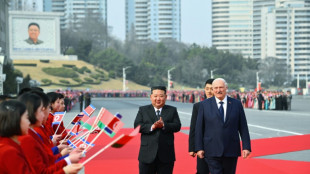
Belarus' Lukashenko greeted by North Korean leader in Pyongyang
-
 Video shows Chiefs star Mahomes making progress in NFL comeback
-
Bayern beat Man Utd in five-goal women's Champions League thriller

-
 Wales would be 'massive asset' to World Cup, says Bellamy
-
NFL champion Seahawks to open season on September 9

-
 Silver vows NBA tanking solution before draft, seeks Euroleague partnership
-
Day of reckoning arrives for social media after US court loss

-
 World Cup concerns are exaggerated, says FIFA vice-president
-
NBA team owners approve exploring expansion to Seattle and Las Vegas

-
 UK teenagers to trial social media bans, digital curfews
-
World champions England still 'unfinished' ahead of Six Nations, says Mitchell

-
 Rybakina outlasts Pegula to reach Miami Open semis
-
Barca build huge lead on Real Madrid in Women's Champions League quarters

-
 Alleged Rihanna mansion shooter pleads not guilty
-
US says Iran talks continue, will 'unleash hell' if no deal

-
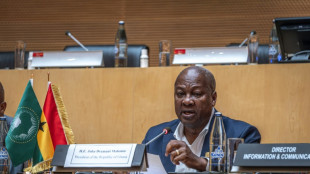 UN designates African slave trade as 'gravest crime against humanity'
-
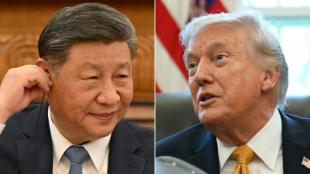
Trump's Beijing trip rescheduled for May, after Iran delay
-
 No more excuses: World Cup pressure is on for host USA
-
US EPA issues waiver for E15 fuel to address oil supply issues
-
 Grieving families hail court victory against Instagram, YouTube
-
Internet providers not liable for music piracy by users: top US court

-
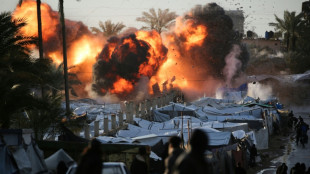 Gaza civil defence says Israeli strike kills one, tents on fire
-
UK govt denies cover-up after PM ex-aide's phone stolen
-
 California jury finds Meta, YouTube liable in social media addiction trial
-
Oil prices slip, stocks rally on Mideast peace hopes
-
 South Africa police clash with anti-immigrant protesters
-
Gattuso says Italy's World Cup play-off 'biggest match' of career

-
 Sakamoto leads skating swansong with 'Time to Say Goodbye' at worlds
-
Spanish PM says Middle East war 'far worse' than Iraq in 2003
-
 First Robot: Melania Trump brings droid to White House event
-
Oldest dog DNA suggests 16,000 years of human companionship

-
 Iran media casts doubt on US peace plan
-
Rare mountain gorilla twins born in DR Congo: park authorities

-
 Ex-midwife enthroned as first female Archbishop of Canterbury
-
AC Schnitzer: When Iconic Tuners Fall Silent
-
 Senegal lodge appeal to Court of Arbitration for Sport over AFCON final decision
-
South Africa seal T20 series win in New Zealand

-
 Study links major polluters to big climate damages bill
-
Ex-Google chief Matt Brittin made new BBC director-general

Azerbaijan defies Russia
Since the death of two Azerbaijanis in Russia, the conflict between the two countries has escalated. Since the war in Ukraine, Baku's autocrat Ilham Aliyev has been acting much more confidently towards Moscow. Relations between Azerbaijan and Russia, which for years were characterised by pragmatic cooperation, have deteriorated dramatically in recent months. The conflict unfolding in the Caucasus has far-reaching geopolitical implications and could permanently alter the balance of power in the region.
Background to the relations
Relations between Azerbaijan and Russia have long been characterised by mutual benefit. Russia was considered the protective power of Armenia, Azerbaijan's neighbour and rival, but at the same time Moscow maintained economic and political ties with Baku. Azerbaijan, rich in oil and gas reserves, played a key role in regional energy policy. However, this balance was upset when Azerbaijan strengthened its independence from Russia after its victory in the Nagorno-Karabakh conflict in 2023 and established closer relations with Turkey and the West.
Trigger for the current tensions
The current conflict began with the death of two Azerbaijani brothers in the Russian city of Yekaterinburg in June 2025. The men were arrested during a raid by the Russian domestic intelligence service and died shortly afterwards in unclear circumstances. While Russian authorities claimed that the deaths were natural, an Azerbaijani autopsy revealed serious injuries, sparking allegations of torture and ethnically motivated violence. This incident sparked a wave of outrage in Azerbaijan and set off a chain of events that exacerbated tensions.
Escalating events
In response to the incident, Azerbaijan cancelled all planned Russian cultural events and raided the offices of a Russian foreign broadcaster in Baku, arresting several journalists. Another high point was the crash of an Azerbaijani passenger plane in December 2024 on its way to Grozny in Chechnya.
The accident claimed the lives of 38 people. While Russia attributed the crash to a bird strike, Azerbaijan suspects that a Russian missile was responsible. President Aliyev then threatened legal action at the international level.
Reactions from both sides
Azerbaijan has strengthened its position by moving closer to the West and supporting Ukraine in its war against Russia. At the same time, the country has expanded its energy exports to Europe in order to secure its economic independence. Russia, on the other hand, sees itself weakened by the war in Ukraine and is responding with a mixture of threats and appeasement. Official spokespeople warned Azerbaijan against a deterioration in relations, while nationalist voices in Russia called for tougher measures against Azerbaijani migrants.
Consequences for the Caucasus
The South Caucasus is a strategically important region that serves as a transit corridor for energy exports and connects Europe with Asia. An escalating conflict could jeopardise Europe's energy supply and undermine the stability of the region. Russia's waning influence, coupled with the growing role of Turkey and the West, is changing the geopolitical landscape. The conflict could also strain relations between Russia and Turkey, which have different interests in the region.
Outlook for the political future
The future remains uncertain. Some warn of further escalation that could lead to military confrontation. Others are counting on diplomatic solutions, possibly through mediation by international actors such as the European Union. What is clear, however, is that relations between Azerbaijan and Russia have reached a low point and that the Caucasus faces an uncertain future.
EU DECODED: Deforestation law’s trade-offs
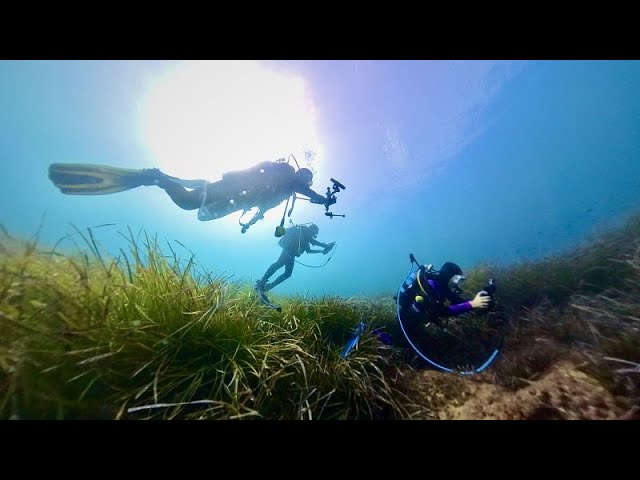
Underwater Wi-Fi: European startups woo investors
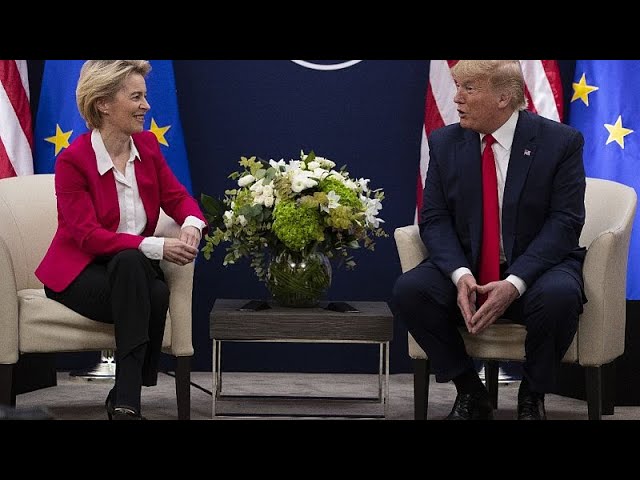
Trump's US support for Ukraine and China?

Cultural year 2024: between Qatar and Morocco
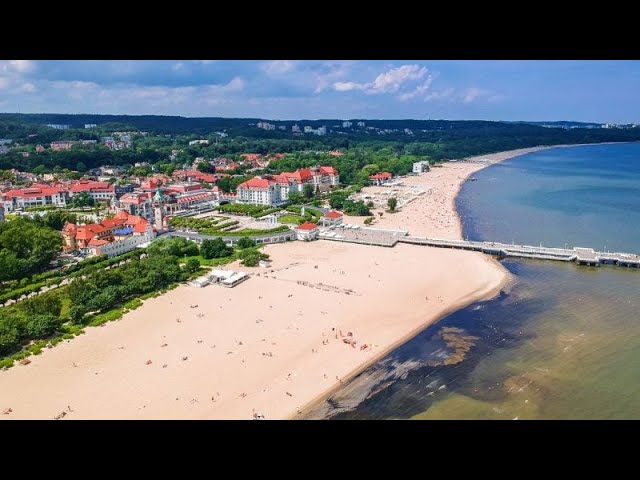
Planning a wellness break? Poland!

Studio Kremlin: creative co-working in Paris
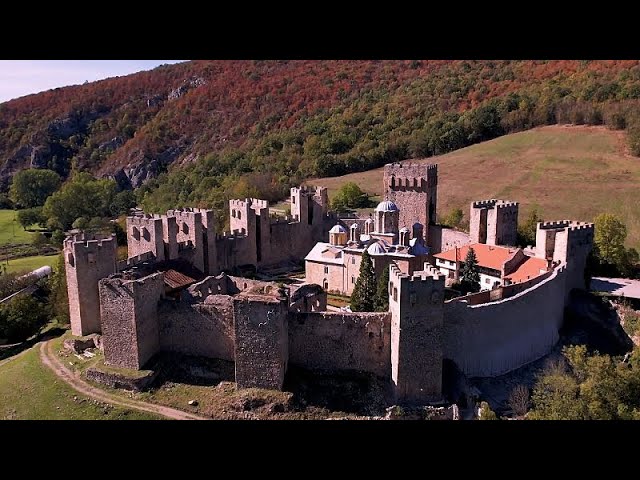
Culture: Serbia’s architectural marvels

EU Residence permits: Record level to third nationals
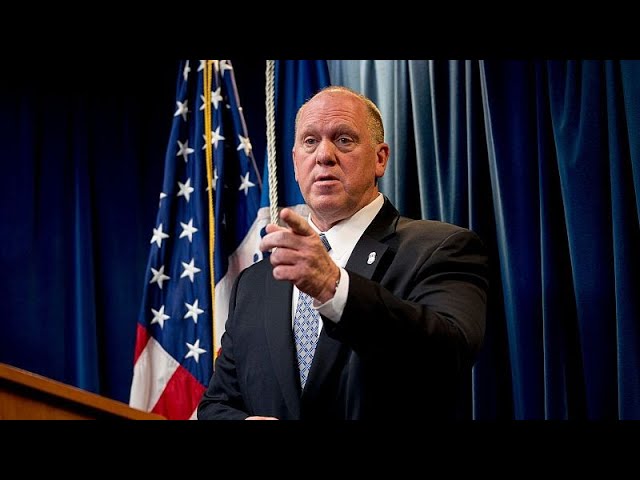
Trump announces Homan as new 'border czar'
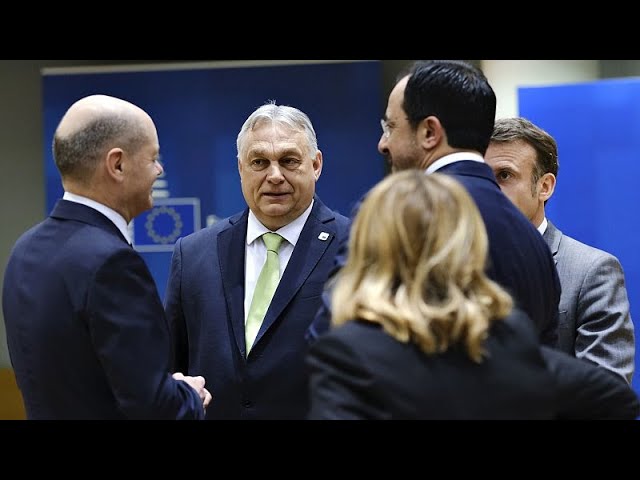
EU: How do we deal with Donald Trump?

Watch Live: Trump or Harris? America votes!