-
 Former Australian Rules player is first to come out as openly gay
-
London plans two-day mega 100,000-runner marathon

-
 UN pushes fuel solution for Cuba aid work amid US talks
-
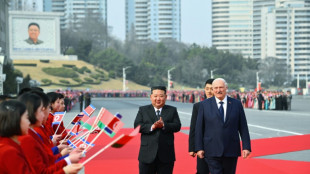
Belarus' Lukashenko greeted by North Korean leader in Pyongyang
-
 Video shows Chiefs star Mahomes making progress in NFL comeback
-
Bayern beat Man Utd in five-goal women's Champions League thriller

-
 Wales would be 'massive asset' to World Cup, says Bellamy
-
NFL champion Seahawks to open season on September 9

-
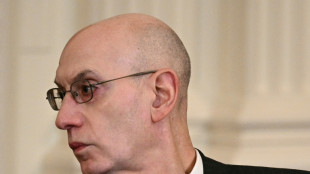 Silver vows NBA tanking solution before draft, seeks Euroleague partnership
-
Day of reckoning arrives for social media after US court loss

-
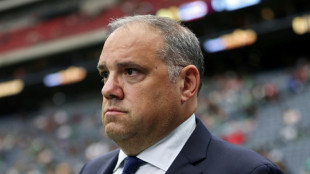 World Cup concerns are exaggerated, says FIFA vice-president
-
NBA team owners approve exploring expansion to Seattle and Las Vegas

-
 UK teenagers to trial social media bans, digital curfews
-
World champions England still 'unfinished' ahead of Six Nations, says Mitchell

-
 Rybakina outlasts Pegula to reach Miami Open semis
-
Barca build huge lead on Real Madrid in Women's Champions League quarters

-
 Alleged Rihanna mansion shooter pleads not guilty
-
US says Iran talks continue, will 'unleash hell' if no deal
-
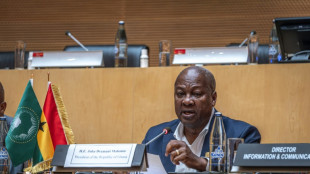 UN designates African slave trade as 'gravest crime against humanity'
-
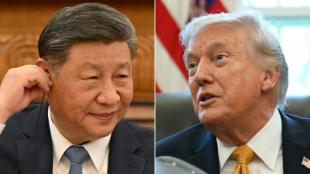
Trump's Beijing trip rescheduled for May, after Iran delay
-
 No more excuses: World Cup pressure is on for host USA
-
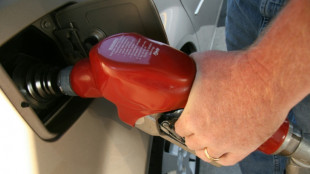
US EPA issues waiver for E15 fuel to address oil supply issues
-
 Grieving families hail court victory against Instagram, YouTube
-
Internet providers not liable for music piracy by users: top US court

-
 Gaza civil defence says Israeli strike kills one, tents on fire
-
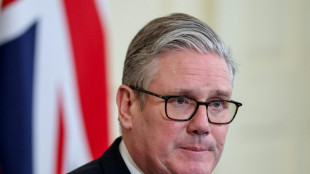
UK govt denies cover-up after PM ex-aide's phone stolen
-
 California jury finds Meta, YouTube liable in social media addiction trial
-
Oil prices slip, stocks rally on Mideast peace hopes
-
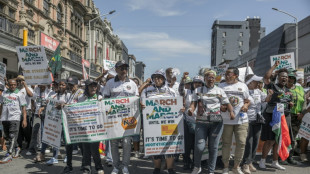 South Africa police clash with anti-immigrant protesters
-
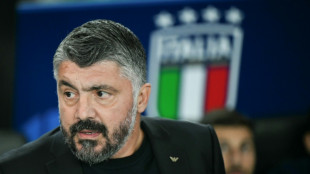
Gattuso says Italy's World Cup play-off 'biggest match' of career
-
 Sakamoto leads skating swansong with 'Time to Say Goodbye' at worlds
-
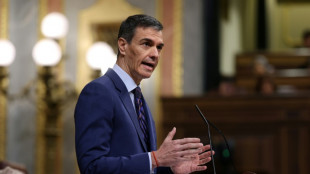
Spanish PM says Middle East war 'far worse' than Iraq in 2003
-
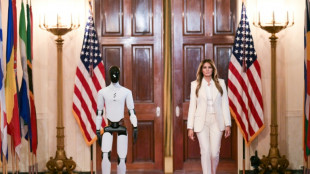 First Robot: Melania Trump brings droid to White House event
-
Oldest dog DNA suggests 16,000 years of human companionship

-
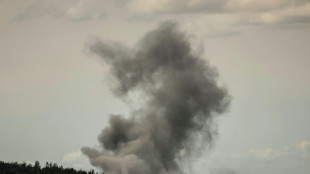 Iran media casts doubt on US peace plan
-
Rare mountain gorilla twins born in DR Congo: park authorities

-
 Ex-midwife enthroned as first female Archbishop of Canterbury
-
AC Schnitzer: When Iconic Tuners Fall Silent

-
 Senegal lodge appeal to Court of Arbitration for Sport over AFCON final decision
-
South Africa seal T20 series win in New Zealand

-
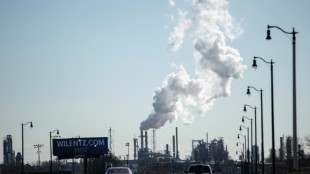 Study links major polluters to big climate damages bill
-
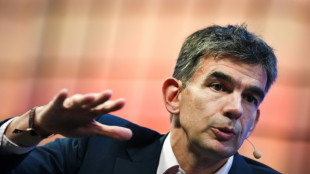
Ex-Google chief Matt Brittin made new BBC director-general
-
 Iran likely behind attacks sowing fear among Europe's Jews: experts
-
'Relieved' McGrath claims career first crystal globe in slalom

-
 US ski star Shiffrin wins overall World Cup title for sixth time
-
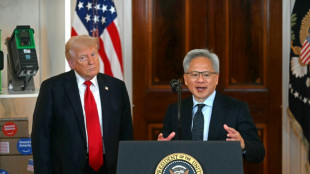
Trump names tech titans to science advisory council
-
 Mideast war sparks long queues at Kinshasa petrol stations
-
US TV star details 'agony' over mother's disappearance

-
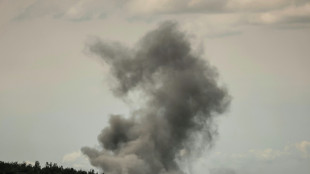 Tehran receives US plan to end Mideast war, as Iran fires at US carrier
-
Aviation, tourism, agriculture... the economic sectors hit by the war

France's debt is growing
France is facing an unprecedented financial challenge. With public debt exceeding €3.2 trillion, representing more than 110% of gross domestic product (GDP), the eurozone's second-largest economy is on a dangerous path. The budget deficit is around 5.5% of GDP and is expected to rise to over 6% this year. These figures significantly exceed EU targets, which allow a maximum deficit of 3% and a debt ratio of 60% of GDP. The financial markets are becoming increasingly nervous, and interest rates on French government bonds are climbing to record levels. What has led to this debt chaos, and how can France avoid the looming abyss?
The roots of the crisis run deep. For decades, France has had a relaxed attitude towards debt, which differs from the strict budgetary discipline of other countries such as Germany. During the coronavirus pandemic and the energy crisis resulting from the war in Ukraine, the government pumped billions into the economy to support households and businesses. Subsidies for electricity prices and generous social benefits kept the economy stable but led to a sharp rise in debt. Since 2017, when President Emmanuel Macron took office, public debt has grown by almost one trillion euros. Critics accuse the government of delaying necessary structural reforms, while the government's spending ratio is just under 60% of GDP – one of the highest in the world.
The political situation is exacerbating the crisis. Following early parliamentary elections in the summer of 2024, parliament is fragmented and majorities are difficult to form. Prime Minister François Bayrou, who has been in office since autumn 2024, has presented an ambitious austerity programme to reduce the deficit to below 3% by 2029. The measures include the abolition of two public holidays, a freeze on pensions and social benefits, the elimination of 3,000 civil service jobs and higher taxes on high incomes. However, these plans are meeting with fierce resistance. The right-wing nationalist party Rassemblement National and left-wing parties are threatening votes of no confidence, which could bring down Bayrou's government. His predecessor, Michel Barnier, was forced to resign after only three months in office when his draft budget failed.
The financial markets are watching the situation with suspicion. Interest rates on French government bonds are now exceeding those of Greece in some cases, which is an alarming sign. France spends around 50 billion euros a year on debt servicing alone, and the trend is rising. Experts warn that this figure could climb to between 80 and 90 billion euros by 2027, making investment in education, infrastructure and climate protection virtually impossible. Rating agencies such as S&P and Moody's still rate France's creditworthiness as solid, but have threatened downgrades if the deficits are not reduced.
The crisis also has European dimensions. France is systemically important for the eurozone, and an uncontrolled rise in debt could jeopardise the stability of the single currency. Unlike the Greek debt crisis in 2008, when rescue funds were used, a bailout package for France would be almost impossible to finance. The EU has launched disciplinary proceedings against France to exert pressure for budget consolidation, but political instability is hampering reforms.
What can France do? Bayrou's austerity plans are a first step, but their implementation is uncertain. Tax increases are politically sensitive, as France already has one of the highest tax rates in Europe. Spending cuts could slow economic growth, which is just over 1% this year. At the same time, experts are calling for structural reforms to increase productivity and reduce dependence on the public sector. Without clear political majorities, there is a risk that France will slide further into debt.
Citizens are already feeling the effects of the crisis. Strikes and protests against austerity measures are on the rise, and social tensions are running high. Many French people feel caught between high living costs and impending cuts. The government faces the challenge of regaining credibility without losing the trust of the markets or the population.
A way out of the debt chaos requires courage and a willingness to compromise. Bayrou has described the situation as ‘the last stop before the abyss.’ Whether France can overcome this crisis depends on whether politicians and society are prepared to make tough decisions. Time is pressing, because the financial markets will not tolerate any further delays. France is at a crossroads – between reform and risk.
EU DECODED: Deforestation law’s trade-offs

Underwater Wi-Fi: European startups woo investors
Trump's US support for Ukraine and China?

Cultural year 2024: between Qatar and Morocco

Planning a wellness break? Poland!

Studio Kremlin: creative co-working in Paris

Culture: Serbia’s architectural marvels

EU Residence permits: Record level to third nationals
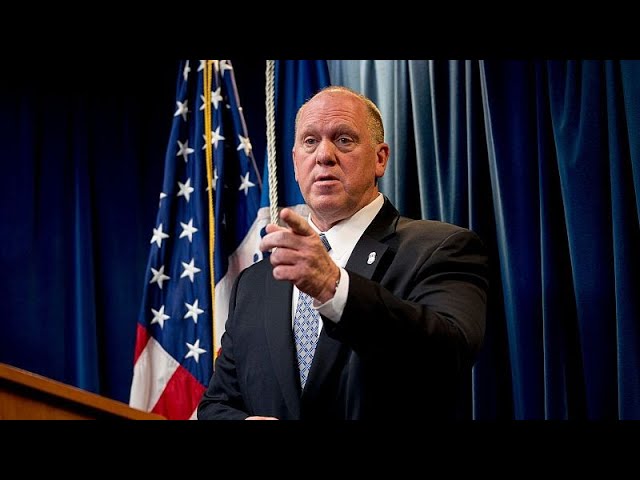
Trump announces Homan as new 'border czar'
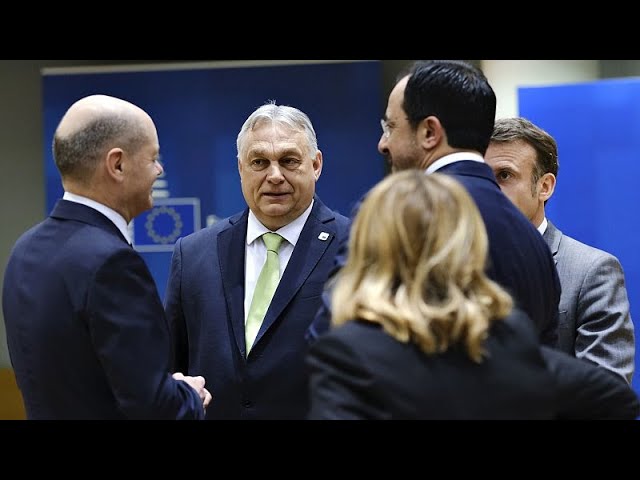
EU: How do we deal with Donald Trump?

Watch Live: Trump or Harris? America votes!