
-
 Oil climbs, stocks slide on uncertainty over US-Iran talks
-
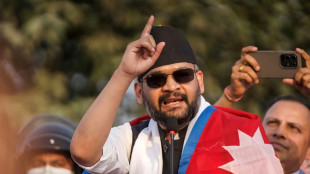
Nepal's PM-to-be delivers first post-election message in rap, urges unity
-
 Vernon wins wind-hit Tour of Catalonia stage as Pidcock climbs to second
-
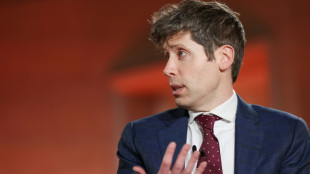
ChatGPT's taste for literary nonsense sparks alarm
-
 Paul McCartney recalls Yesterday with first album in five years
-
'True miracle': Napoleon's long-lost hat to go on display

-
 Lost in space: Sperm struggles to navigate during weightless sex
-
G7 meets in France hoping to heal transatlantic Iran rift

-
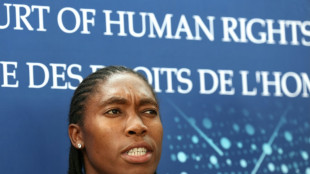 IOC's gender test directive throws up multiple questions
-
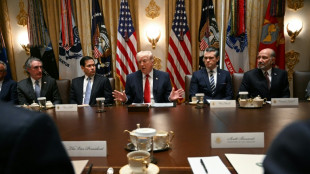
Trump insists Iran operations 'extremely' ahead of schedule
-
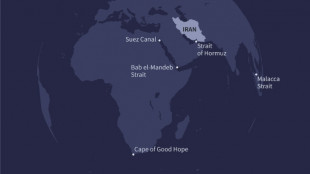 Bab al-Mandeb Strait: another key shipping route under threat
-
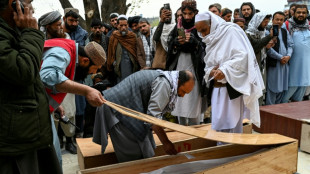
Families of Kabul bombing victims still search for answers
-
 Police detain French ex-cop suspected of killing mothers of his children
-
Venezuela's Maduro back in court after stunning US capture

-
 Senegal victims of 'most blatant scam' in football history: federation
-
Former badminton Olympic gold winner Marin retires due to injury

-
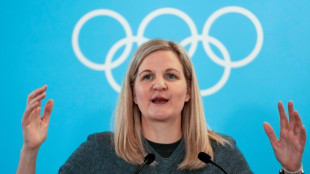 Olympic women's sport to be limited to biological females
-
Africa sets out stall for cotton at the WTO

-
 Trump's Iran war tests MAGA 'America First' creed
-
What's happening with Iran-US 'talks'?
-
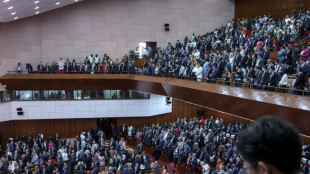 WTO mulls future of global trading under cloud of Mideast war
-
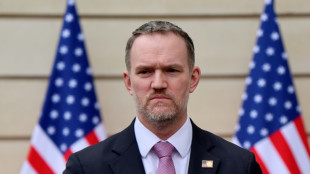
US flexes 'new order' trade policy as WTO meet kicks off
-
 Germany unveils rescue plan for struggling chemical sector
-
UK PM 'very keen' to curb addictive social media after US ruling

-
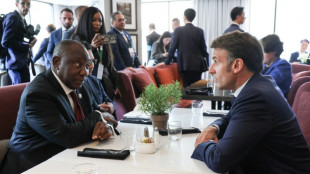 South Africa disinvited from G7 in France after US pressure: Pretoria
-
EU moves closer to ban sexualised AI deepfakes

-
 France bids farewell to ex-PM Jospin who 'modernised' nation
-
Belarus' Lukashenko gifts automatic rifle to North Korea's Kim

-
 Germany bank on team spirit to end World Cup woes
-
Venezuela's Maduro back in US court after stunning capture

-
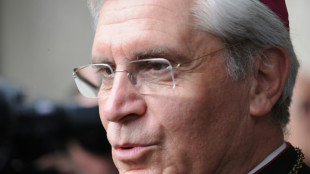 French court orders ex-bishop to pay over 1970s child sex abuse
-
PSG Ligue 1 game postponed in between two legs of Liverpool Champions League tie

-
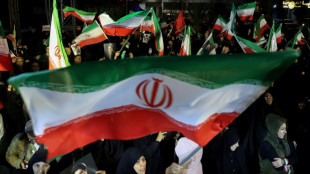 Iran may believe it has the upper hand as Trump seeks talks
-
EU urged to broadly restrict 'forever chemicals'

-
 Italy seizes millions 'embezzled' from Ursula Andress
-
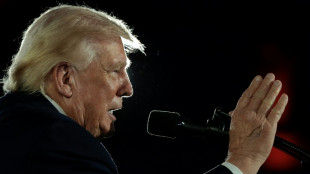
Trump says Iran 'better get serious' in Mideast war talks
-
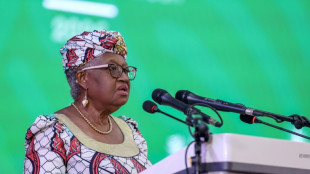 Global trading system hit by 'worst disruptions in the past 80 years': WTO chief
-
EU accuses four porn platforms of letting children access adult content

-
 Cathay Pacific raises fuel surcharge on all flights by 34%
-
EU probes Snapchat over suspected child protection failings

-
 EU parliament backs Trump tariff deal -- with conditions
-
'Return hubs' for migrants clear EU parliament hurdle

-
 Meta watchdog says grassroots fact checks risk harm to users
-
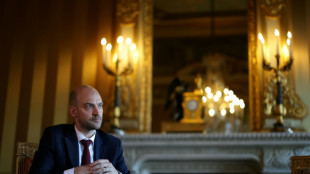
G7 meets in France to mend transatlantic rupture on Iran
-
 ByteDance quietly rolls out SeeDance 2.0 globally
-
Israel strikes Iran as Tehran rejects US talks overture

-
 Mercedes teen ace Antonelli wants more of the same after maiden win
-
Singer Rosalia quits Milan concert with food poisoning

-
 Oil climbs and equities sink amid mixed messages on 'talks'
-
'Get out': Verstappen bans reporter from Japan press conference

France's debt is growing
France is facing an unprecedented financial challenge. With public debt exceeding €3.2 trillion, representing more than 110% of gross domestic product (GDP), the eurozone's second-largest economy is on a dangerous path. The budget deficit is around 5.5% of GDP and is expected to rise to over 6% this year. These figures significantly exceed EU targets, which allow a maximum deficit of 3% and a debt ratio of 60% of GDP. The financial markets are becoming increasingly nervous, and interest rates on French government bonds are climbing to record levels. What has led to this debt chaos, and how can France avoid the looming abyss?
The roots of the crisis run deep. For decades, France has had a relaxed attitude towards debt, which differs from the strict budgetary discipline of other countries such as Germany. During the coronavirus pandemic and the energy crisis resulting from the war in Ukraine, the government pumped billions into the economy to support households and businesses. Subsidies for electricity prices and generous social benefits kept the economy stable but led to a sharp rise in debt. Since 2017, when President Emmanuel Macron took office, public debt has grown by almost one trillion euros. Critics accuse the government of delaying necessary structural reforms, while the government's spending ratio is just under 60% of GDP – one of the highest in the world.
The political situation is exacerbating the crisis. Following early parliamentary elections in the summer of 2024, parliament is fragmented and majorities are difficult to form. Prime Minister François Bayrou, who has been in office since autumn 2024, has presented an ambitious austerity programme to reduce the deficit to below 3% by 2029. The measures include the abolition of two public holidays, a freeze on pensions and social benefits, the elimination of 3,000 civil service jobs and higher taxes on high incomes. However, these plans are meeting with fierce resistance. The right-wing nationalist party Rassemblement National and left-wing parties are threatening votes of no confidence, which could bring down Bayrou's government. His predecessor, Michel Barnier, was forced to resign after only three months in office when his draft budget failed.
The financial markets are watching the situation with suspicion. Interest rates on French government bonds are now exceeding those of Greece in some cases, which is an alarming sign. France spends around 50 billion euros a year on debt servicing alone, and the trend is rising. Experts warn that this figure could climb to between 80 and 90 billion euros by 2027, making investment in education, infrastructure and climate protection virtually impossible. Rating agencies such as S&P and Moody's still rate France's creditworthiness as solid, but have threatened downgrades if the deficits are not reduced.
The crisis also has European dimensions. France is systemically important for the eurozone, and an uncontrolled rise in debt could jeopardise the stability of the single currency. Unlike the Greek debt crisis in 2008, when rescue funds were used, a bailout package for France would be almost impossible to finance. The EU has launched disciplinary proceedings against France to exert pressure for budget consolidation, but political instability is hampering reforms.
What can France do? Bayrou's austerity plans are a first step, but their implementation is uncertain. Tax increases are politically sensitive, as France already has one of the highest tax rates in Europe. Spending cuts could slow economic growth, which is just over 1% this year. At the same time, experts are calling for structural reforms to increase productivity and reduce dependence on the public sector. Without clear political majorities, there is a risk that France will slide further into debt.
Citizens are already feeling the effects of the crisis. Strikes and protests against austerity measures are on the rise, and social tensions are running high. Many French people feel caught between high living costs and impending cuts. The government faces the challenge of regaining credibility without losing the trust of the markets or the population.
A way out of the debt chaos requires courage and a willingness to compromise. Bayrou has described the situation as ‘the last stop before the abyss.’ Whether France can overcome this crisis depends on whether politicians and society are prepared to make tough decisions. Time is pressing, because the financial markets will not tolerate any further delays. France is at a crossroads – between reform and risk.
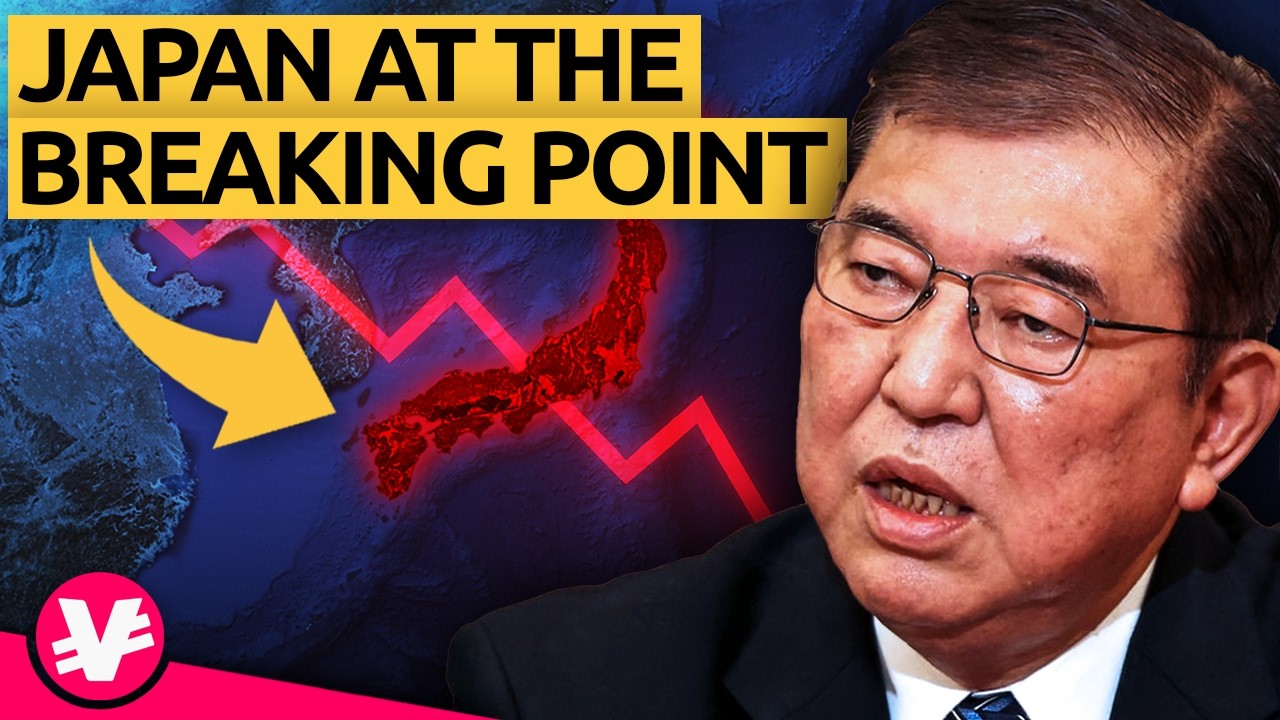
Japan's financial precipice
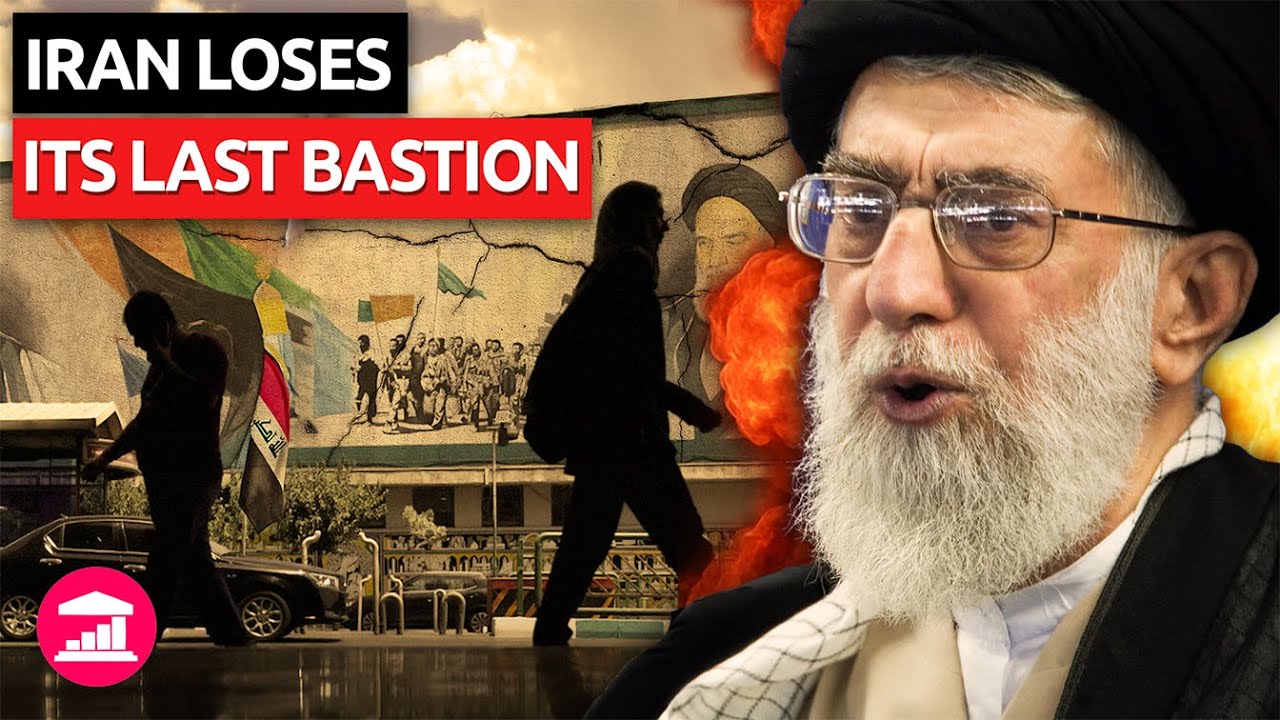
Iraq vs. Iran – The end?
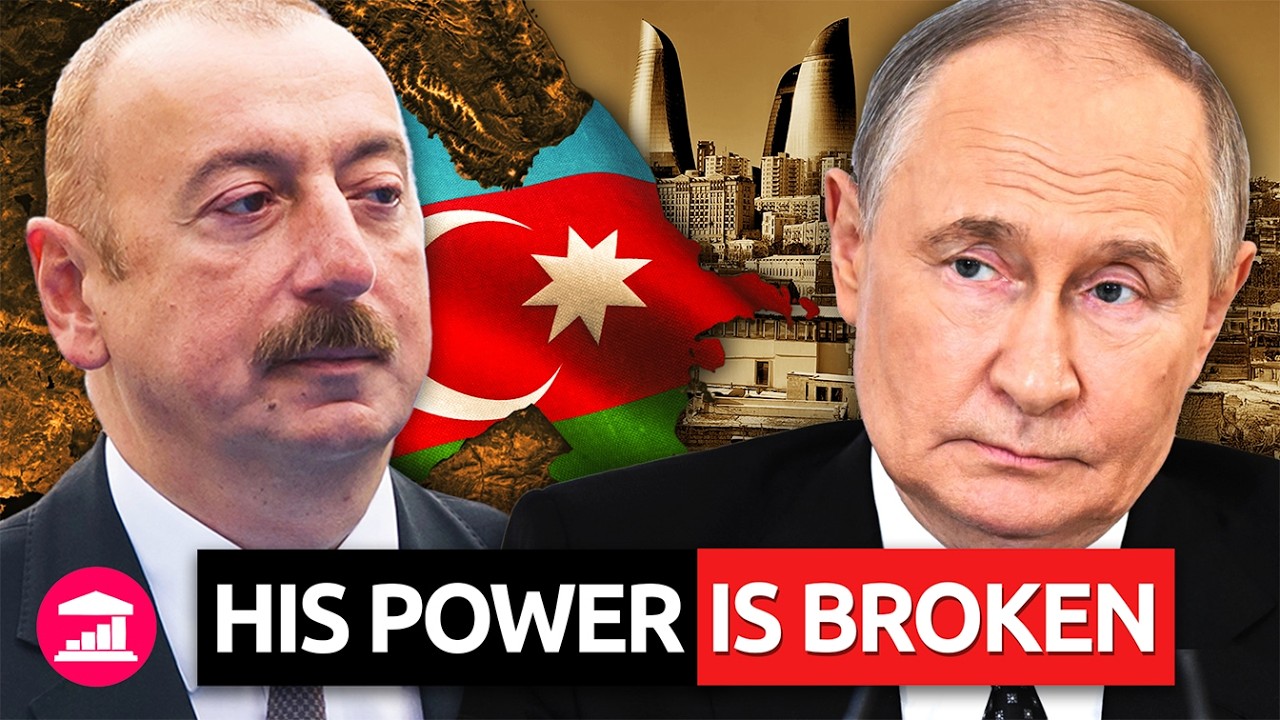
Azerbaijan defies Russia
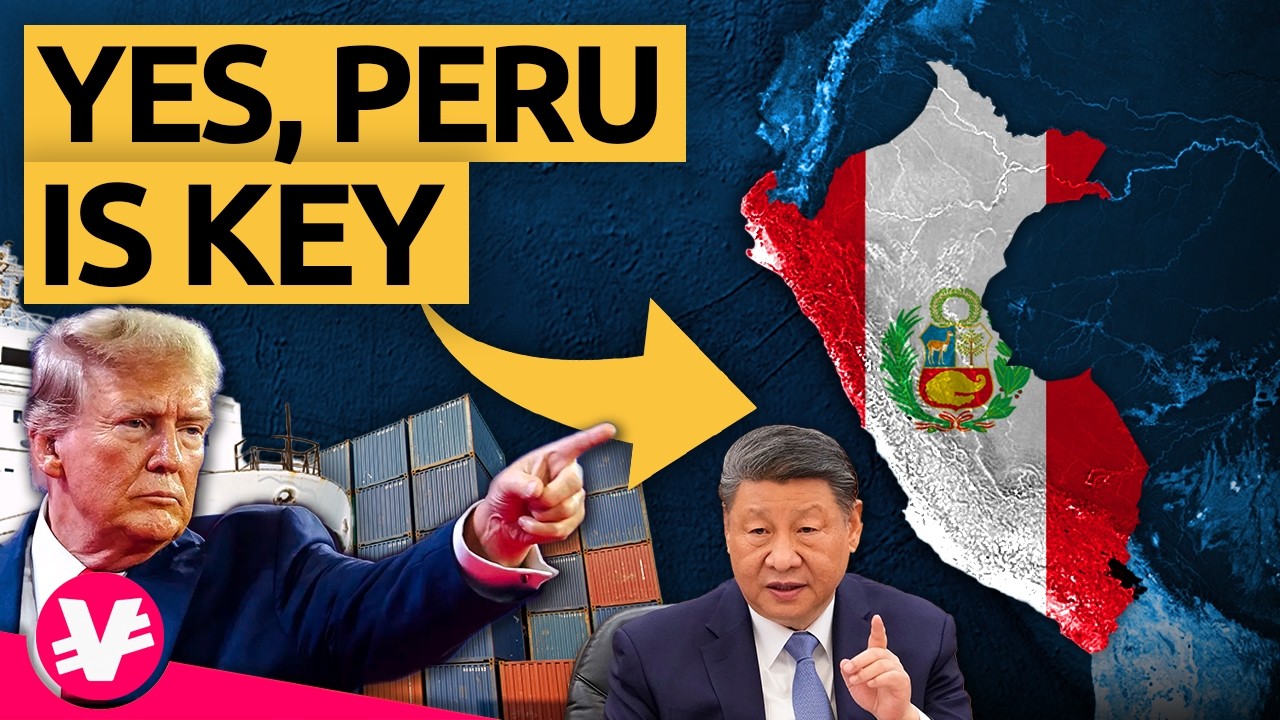
Geopolitics: Peru's balancing act
Spain defies NATO's 5% goal
Israel's Covert Nuclear Rise
Iran's Nuclear Ambitions
Germany's Anti-Woke Tide

Demographic Collapse Crisis

Israel's War on Iran's Ayatollahs

Israel-Iran: USA Strikes



