-
 Rams bounce back as Giants reel from Dart injury
-
Shin Ohashi: Junk food-loving teen and Japan's next big swimming hope

-
 In Bangladesh, Pakistan's Jinnah photo stirs anger
-
Stocks rise on AI buzz, drop in oil prices

-
 Two New Zealand naval ships transit Taiwan Strait
-
China's robot dancers limber up for America's Got Talent final

-
 Zidane gets down to work as France start new era
-
Despite military might, Saudi struggles to crush the Houthis
-
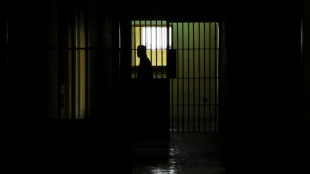 Inside the Venezuelan prison meant to 'drive you insane'
-
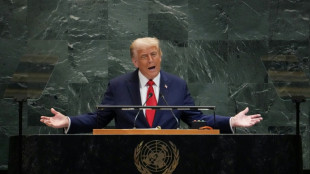
Trump to tout deals, defend Iran war in UN speech
-
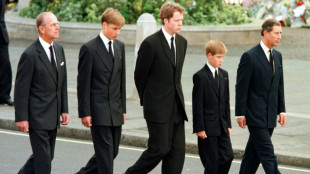 UK king braces as memoir by Diana's brother goes on sale
-
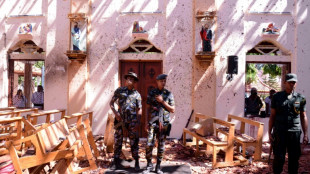
Sri Lanka to issue verdict in landmark Easter attack trial
-
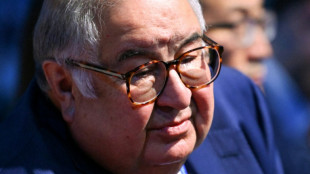 No green light to lift EU sanctions on Russian oligarchs, talks to resume
-
Macron says talks with Trump on Red Sea, Ukraine 'constructive'

-
 UK agrees support for Saudi in struggle with Houthis: reports
-
Green policies just good politics, says UK minister

-
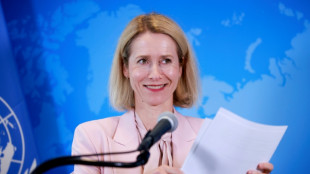 EU foreign policy chief calls for continued sanctions on Russia
-
Bardot auction in Paris fetches nearly one million euros

-
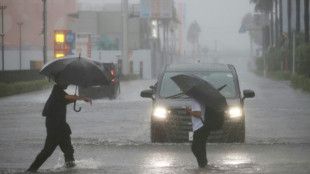 Flights scrapped, evacuations urged as Typhoon Dujuan wallops Japan
-
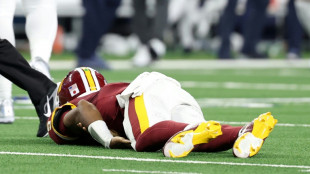
No timeline on Daniels injury return, says Commanders coach
-
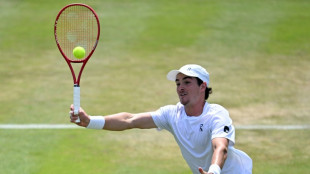 Fonseca to take break from tennis
-
British Columbia sues OpenAI in US court over Canada school shooting

-
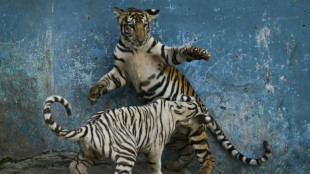 A Cuban zoo, and its animals, in epic battle for survival
-
French star Batum retires after 18-year NBA career

-
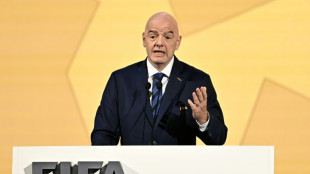 Infantino proposes consulting federations to reform FIFA
-
Zidane leads first France training session

-
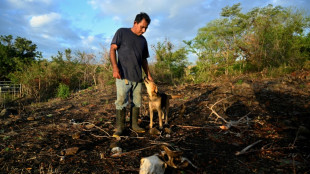 El Nino weather pattern enters record territory: scientist
-
Man shot by ICE agent in Texas detained with bullet inside him: lawyer
-
 OpenAI calls for US to lead global effort on AI standards
-
California declares state of emergency ahead of El Nino
-
 South African ostriches plucked alive for luxury fashion: report
-
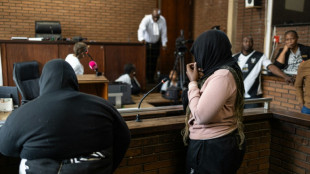
South Africa arrests three more suspects, after nine women murdered
-
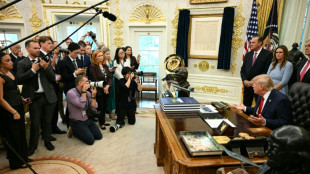 US networks halt Trump coverage in revolt over White House ban
-
Carse needs time away from England, says captain Brook

-
 Paramount settles with US states to clear Warner Bros. mega-merger
-
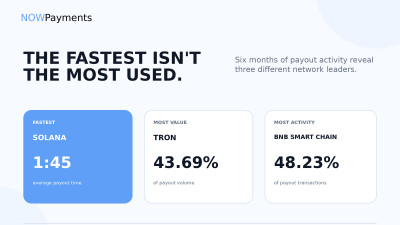
NOWPayments Releases Cross-Chain Payout Data Revealing Key Performance Benchmarks Across TRON, BNB Chain, and Solana
-
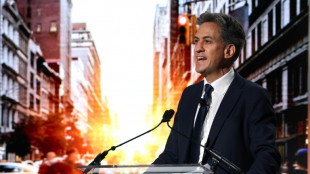 Climate crisis a job for world leaders, not just activists: UK FM
-
British Museum bans photos of Bayeux Tapestry as crowds linger

-
 US networks halt Trump coverage over White House ban
-
COP31 host says AI climate footprint to be a summit priority
-
 French singer accuses Miley Cyrus of plagiarism
-
Berlin's far-left vote winners reject anti-semitism charges
-
 EU fines Google 403 mn euros for location data breach
-
Mancini eager for 'new adventure' on Italy return

-
 'Best is yet to come,' says De la Fuente after Spain extension
-
Mbappe says having Zidane as France coach 'like a film'
-
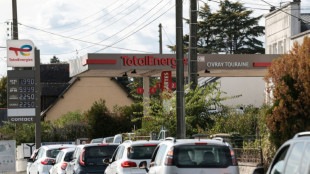 Why diesel prices are rising more than crude oil
-
Palmer, Rice out of England Nations League squad

-
 COP31 host says AI's climate footprint to be a summit priority
-
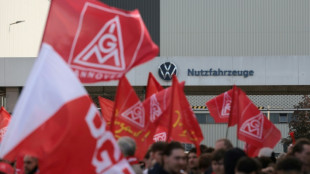
German auto workers stage mass protests in bid to save jobs
Argentina, Milei and the US dollar?
Argentine economist and politician Javier Milei garnered significant attention with his proposal to dollarise Argentina’s economy. Renowned for his outspoken views, Milei argues that switching to the US dollar would tame the country’s runaway inflation and stabilise the monetary system. Yet, despite widespread debate, this radical measure has not been implemented. What factors are preventing a swift transition to the greenback?
Complex Economic Realities
One of the chief barriers to immediate dollarisation is Argentina’s chronic lack of sufficient foreign reserves. Converting an entire national currency into US dollars requires a robust stockpile of hard currency to back deposits and transactions. Argentina’s reserves, however, have been under persistent pressure due to debt obligations, trade imbalances, and capital flight—hardly an ideal foundation for a large-scale monetary overhaul.
Domestic Policy Constraints
Furthermore, the proposal faces a host of domestic policy challenges. Any government considering dollarisation must align its fiscal policies with the new currency regime. This includes placing strict limits on deficit spending and overhauling public expenditure practices. Argentina’s entrenched budget deficits and reliance on monetary financing complicate these reforms considerably. Even if Milei could muster enough political support, balancing the budget and enacting austerity measures would likely spark domestic unrest.
Institutional and Legal Hurdles
The Argentine Constitution does not explicitly prohibit the adoption of a foreign currency, yet the legal framework surrounding bank regulations, contracts, and state obligations complicates an abrupt switch. Existing debts, wages, and pensions—often denominated in pesos—would need to be recalculated. Moreover, securing approval from multiple layers of government, including Congress and provincial authorities, is no trivial task.
IMF Concerns and International Relations
Argentina’s longstanding relationship with the International Monetary Fund further complicates attempts at dollarisation. The IMF, which has extended substantial loans to Argentina, tends to advocate for stable monetary frameworks but is often wary of extreme measures that might undermine the viability of sovereign financial systems. Any plan to scrap the peso would likely invite further scrutiny from international lenders and bondholders.
The Road Ahead
While Javier Milei remains a vocal proponent of dollarisation, his vision must contend with Argentina’s political realities, economic constraints, and external obligations. Without broad consensus on budgetary discipline and robust foreign reserves, an abrupt adoption of the US dollar could prove disruptive. As a result, the push for dollarisation may be relegated to political rhetoric unless Argentina’s policymakers find the means and the will to enact deep structural changes.
Conclusion
For now, Milei’s ambition has not materialised, serving instead as a flashpoint in Argentina’s ongoing economic debate. Whether the country will one day fully embrace dollarisation remains an open question—one hinging on both domestic consensus and international confidence in Argentina’s financial and institutional stability.

Russland, der Terror-Staat / Russia, the terrorist state!
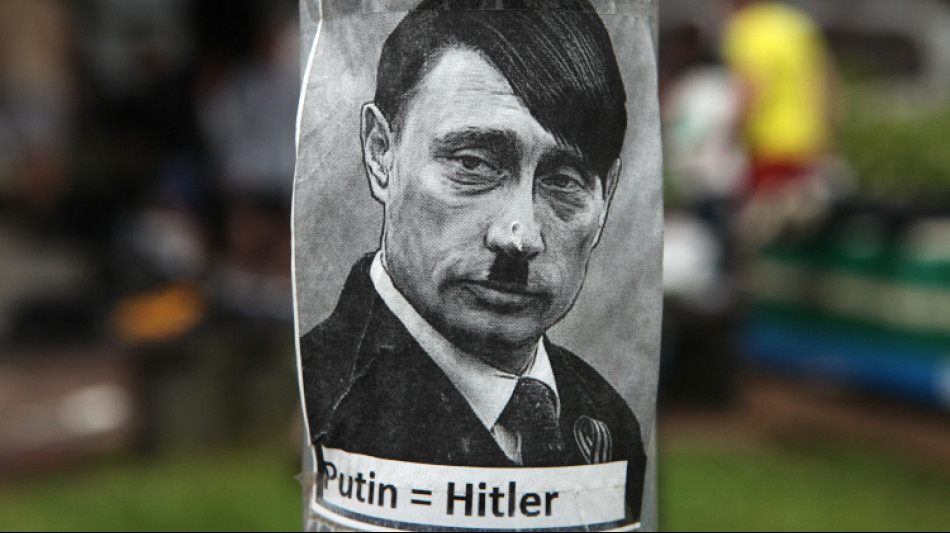
Ukraine in the fight against the russian terror State
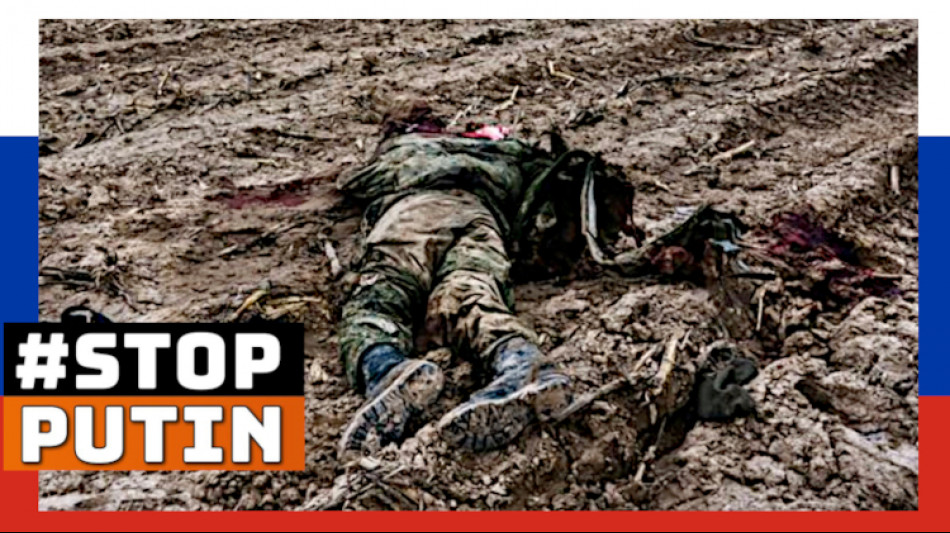
The Russian criminals will never own Ukraine!

ATTENTION, ATENCIÓN, УВАГА, ВНИМАНИЕ, 注意事项, DİKKAT, 주의, ATENÇÃO
UNESCO accepts the US back into the fold after a five-year absence

This is how the Russian scum in Ukraine ends!
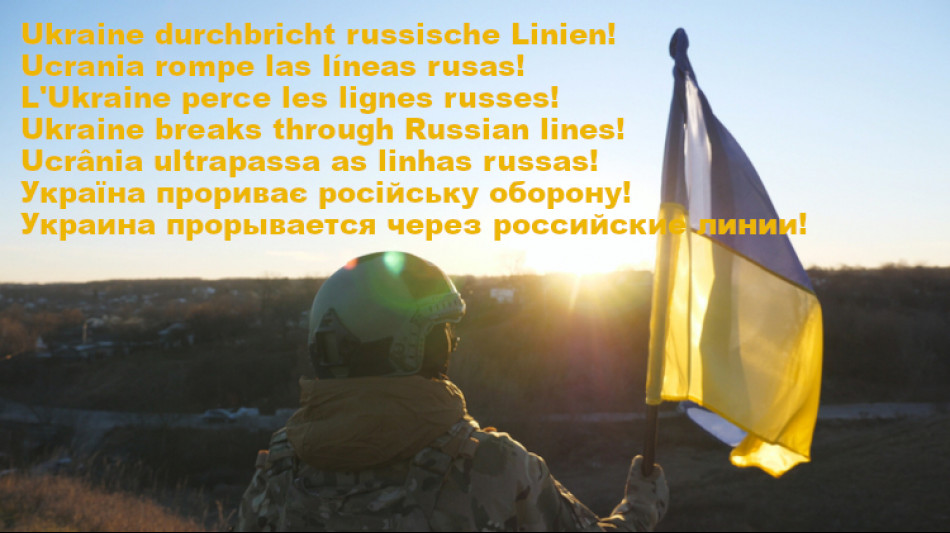
Video, ビデオ, 视频, Відео, 비디오, Wideo, 動画, Βίντεο, Видео!!

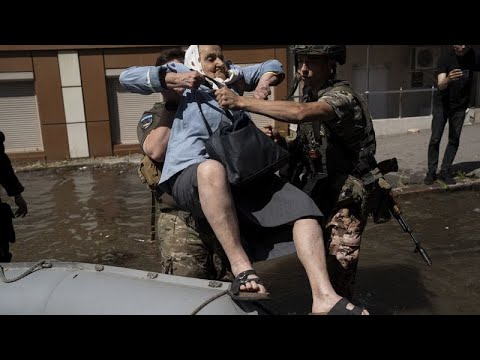
Ukraine's struggle: Surviving after the flood
UKRAINA, Україна, Украина, Ucraina, ウクライナ, Ουκρανία, 우크라이나, Ucrânia, 乌克兰, Ukrayna
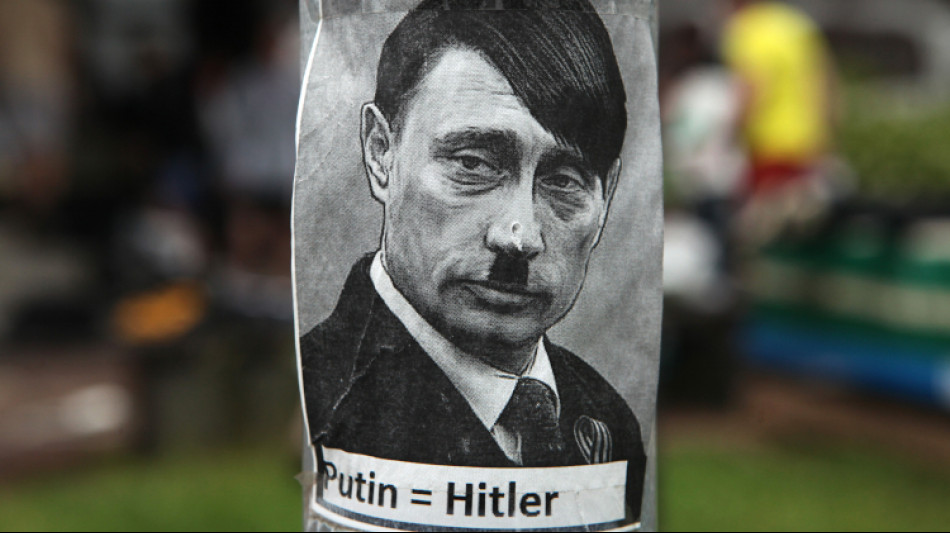
Ukraine: War terror of the russian army!
War crime by the Russians: Thousands without drinking water in Ukraine