-
 Belarus' Lukashenko greeted by North Korean leader in Pyongyang
-
Video shows Chiefs star Mahomes making progress in NFL comeback

-
 Bayern beat Man Utd in five-goal women's Champions League thriller
-
Wales would be 'massive asset' to World Cup, says Bellamy

-
 NFL champion Seahawks to open season on September 9
-
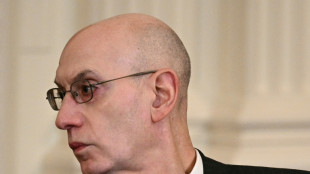
Silver vows NBA tanking solution before draft, seeks Euroleague partnership
-
 Day of reckoning arrives for social media after US court loss
-
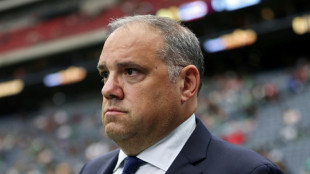
World Cup concerns are exaggerated, says FIFA vice-president
-
 NBA team owners approve exploring expansion to Seattle and Las Vegas
-
UK teenagers to trial social media bans, digital curfews

-
 World champions England still 'unfinished' ahead of Six Nations, says Mitchell
-
Rybakina outlasts Pegula to reach Miami Open semis

-
 Barca build huge lead on Real Madrid in Women's Champions League quarters
-
Alleged Rihanna mansion shooter pleads not guilty

-
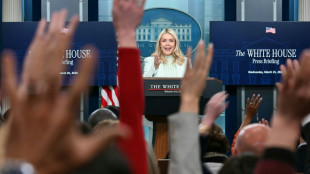 US says Iran talks continue, will 'unleash hell' if no deal
-
UN designates African slave trade as 'gravest crime against humanity'

-
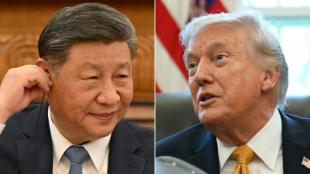 Trump's Beijing trip rescheduled for May, after Iran delay
-
No more excuses: World Cup pressure is on for host USA

-
 US EPA issues waiver for E15 fuel to address oil supply issues
-
Grieving families hail court victory against Instagram, YouTube

-
 Internet providers not liable for music piracy by users: top US court
-
Gaza civil defence says Israeli strike kills one, tents on fire

-
 UK govt denies cover-up after PM ex-aide's phone stolen
-
California jury finds Meta, YouTube liable in social media addiction trial

-
 Oil prices slip, stocks rally on Mideast peace hopes
-
South Africa police clash with anti-immigrant protesters

-
 Gattuso says Italy's World Cup play-off 'biggest match' of career
-
Sakamoto leads skating swansong with 'Time to Say Goodbye' at worlds

-
 Spanish PM says Middle East war 'far worse' than Iraq in 2003
-
First Robot: Melania Trump brings droid to White House event

-
 Oldest dog DNA suggests 16,000 years of human companionship
-
Iran media casts doubt on US peace plan

-
 Rare mountain gorilla twins born in DR Congo: park authorities
-
Ex-midwife enthroned as first female Archbishop of Canterbury

-
 AC Schnitzer: When Iconic Tuners Fall Silent
-
Senegal lodge appeal to Court of Arbitration for Sport over AFCON final decision

-
 South Africa seal T20 series win in New Zealand
-
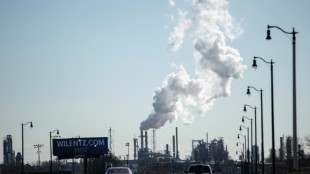
Study links major polluters to big climate damages bill
-
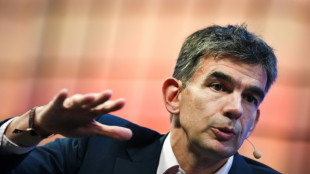 Ex-Google chief Matt Brittin made new BBC director-general
-
Iran likely behind attacks sowing fear among Europe's Jews: experts

-
 'Relieved' McGrath claims career first crystal globe in slalom
-
US ski star Shiffrin wins overall World Cup title for sixth time

-
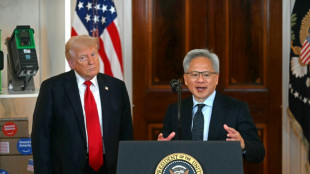 Trump names tech titans to science advisory council
-
Mideast war sparks long queues at Kinshasa petrol stations

-
 US TV star details 'agony' over mother's disappearance
-
Tehran receives US plan to end Mideast war, as Iran fires at US carrier

-
 Aviation, tourism, agriculture... the economic sectors hit by the war
-
Iran fires at US carrier as backchannel diplomacy aims to end war

-
 Salah's long goodbye brings curtain down on golden era for Liverpool
-
Monaco: city of vice and a few virtues

US Federal Reserve with “announcement”
In a widely-followed press conference, the US Federal Reserve (Fed) announced a significant economic contraction in order to control the growing risk of inflation in the United States. With this decision, the central bank is reacting to persistently high rates of inflation and a rapidly changing economic situation. At the same time, the measure sends a signal to companies and financial markets: after a phase of historically low interest rates and extremely loose monetary policy, the course could now change in the direction of a more restrictive phase.
Rising interest rates and tighter monetary policy:
Contrary to the course of recent years, when the Federal Reserve supported the economy with low interest rates, the focus is now on interest rate hikes and a reduction in the Fed's balance sheet. This is intended to dampen excessive demand, slow credit growth and contain inflation. Fed Chairman Jerome Powell emphasized that these steps are necessary to ensure sustainable and stable economic development over the medium term.
Market analysts see the announced contraction as a significant policy shift. Many investors had already expected interest rate hikes, but the clear focus on a restrictive policy exceeded the expectations of some observers. As a result, stock markets came under short-term pressure and the US dollar depreciated slightly against other leading currencies.
Background: Inflation and economic uncertainties:
The rate of inflation in the US has reached record levels in recent months. Supply bottlenecks, rising energy prices and high consumer demand had noticeably driven up prices. In addition, numerous economic stimulus packages initiated in response to the coronavirus crisis have stabilized the economy, but have also led to a high amount of money in circulation.
With the announcement of an economic contraction, the Fed is seeking a balance: on the one hand, price stability and a reduction in speculative bubbles should be ensured, while on the other hand, the Fed wants to avoid an excessive cooling of the economy. Jerome Powell emphasized that developments are being monitored closely and that the Fed is prepared to take action if necessary.
Impact on companies and consumers:
A more restrictive monetary policy primarily affects companies that have relied on cheap credit. For firms that finance growth through debt, costs could now rise, which could slow investment and expansion in some sectors.
Consumers are also likely to feel the effects of rising interest rates, especially real estate buyers and credit card customers. Higher mortgage rates could put the brakes on the residential real estate market and make buying a home more expensive.
At the same time, however, there are also positive aspects: an effective fight against inflation preserves the purchasing power of the population and can reduce speculation risks. In particular, people with savings could benefit from higher interest rates, provided that financial institutions adjust their rates.
Criticism and outlook:
Not all experts consider the Federal Reserve's move to be appropriate. Some critics warn that curbing growth too quickly could jeopardize new jobs and slow down the economic recovery after the pandemic. The fear is that if the US economy cools more sharply than expected, the labor market could deteriorate again and high inflation could only moderate moderately.
Nevertheless, many experts see the decision as overdue. In view of record inflation and a stock market environment that is overheated in some areas, there is a need for action to stabilize the fundamental data again. The coming months will show whether the US economy can strike a balance between stabilizing and avoiding a recession – or whether a more severe downturn is looming.
Conclusion:
The Federal Reserve has sent a clear signal to markets and consumers with its announcement of an economic contraction. Higher key interest rates and a tighter monetary policy should curb the record inflation and enable a more balanced economy. At the same time, there are risks for growth and the labor market if the economic environment deteriorates more quickly than expected. It remains to be seen whether this balancing act will be successful, but it is clear that the latest step marks the beginning of a new phase in US monetary policy.

Business: Is it important to speak multiple languages?

Trump's return could leave Europe 'on its own'

NASA and Lockheed partner present X-59 Quesst

China: Gigantic LED in a shopping centre

Did you know everything about panda bears?

Ukraine has a future as a glorious heroic state!

To learn: Chinese school bought an Airbus A320

Countries across Europe are tightening security measures

Five elections in 2024 that will shape Europe!

Norway: Russians sceptical about Russia's terror against Ukraine

Nepal: Crowd demands reinstatement of the monarchy