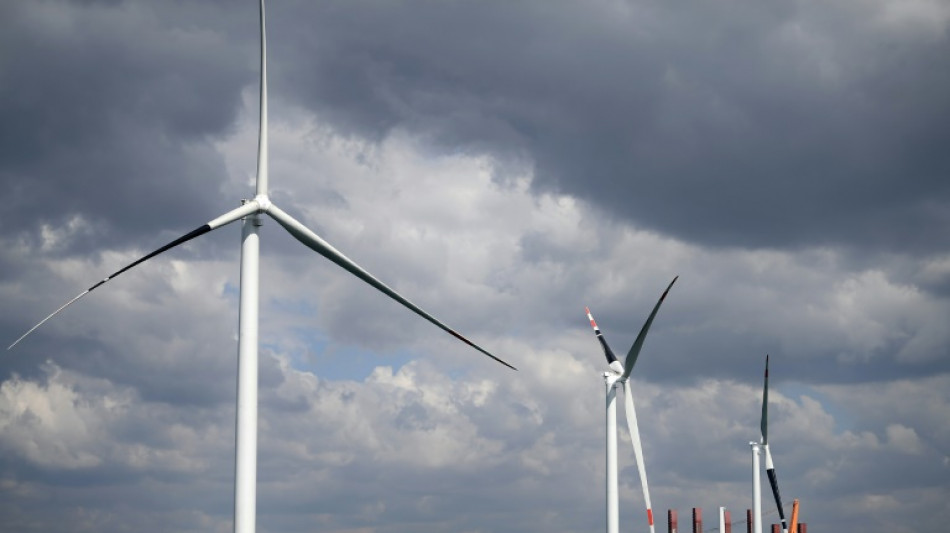
EU deal to nearly double renewable energy by 2030 / Photo: © AFP/File

 Scheffler makes sportsmanship stand over tee screamer

 Anthropic CEO Amodei to dine with Trump at White House

 Dupont scores twice to send Toulouse to Top 14 summit
 Greece stun Klopp's Germany as Ireland show sorrow for Gaza

 Ramos fires holders Portugal to Nations League win in Norway

 Greece hand Klopp first defeat as Germany manager

 Pope promises French sex abuse victims to prevent further harm
 UK village on edge over threats to air base in terror alert
 Two giant pandas, emblems of China soft diplomacy, arrive in US
 Aleksandar Vucic: from Milosevic minister to long-serving Serbian statesman
 Trump expects new Iran talks despite rejecting deal offer
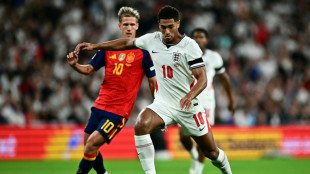
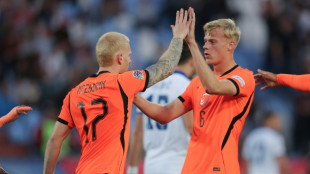 Xavi gets first win as Netherlands boss, Denmark beat Wales

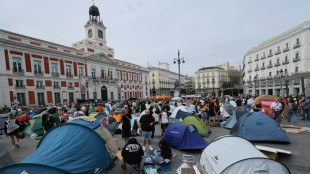 Madrid housing protest camp enters second night as PM vows action

 Tigray TV station hit by drone, rebels advance in north Ethiopia

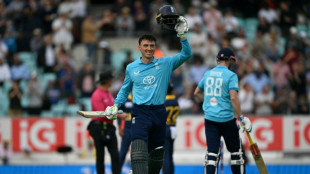 Banton hundred paves way for England ODI series win over Sri Lanka
 Milestone man Kohli powers India to big ODI win over West Indies
 Swiss reject plan to toughen neutrality

 Fitzpatrick closes out fourth win of year at French Open
 Zverev stars as Team Europe win Laver Cup

 UK PM urges 'calm' as thousands block flashpoint N.Ireland parade

 China's Yan one and done after golden Asian Games throw

 Kiss praises Wallabies' composure after wild Test finish
 एलेक्स बोडी और प्रो. डॉ. डायटर लाज़िक ने ALPHA WHEY और BODI एनर्जी ड्रिंक के लिए एक अनुबंध पर हस्ताक्षर किए

 Alex Bodi a prof. dr. Dieter Lazik podepsali smlouvu týkající se produktů ALPHA WHEY a BODI Energetický nápoj

 Banton takes England to 355-7 in Sri Lanka ODI decider

The European Union reached a deal Thursday to almost double the share of renewables in the 27-nation bloc's energy consumption by 2030 amid efforts to become carbon neutral and ditch Russian fossil fuels.
The provisional political agreement, which was reached after nightlong negotiations between the EU parliament and states, seeks to raise the share of renewable energy to 42.5 percent, from 22 percent today.
The EU has set an ambitious target to become a "climate neutral" economy by 2050, with net-zero greenhouse gas emissions.
The move also comes as the EU has sought to slash its dependence on Russian fossil fuels after Moscow cut gas supplies last year and the bloc placed bans on seaborne crude and other petroleum products from the country.
The figure is a compromise between the 45 percent share for renewables that was sought by EU lawmakers and the European Commission, the EU's executive branch, and the 40 percent preferred by the states.
The previous target for 2030 had been set at 32 percent.
The proposed directive seeks cutting red tape for renewable energy projects.
The goal is to "fast-track the deployment of renewable energies" as part of the EU's plan "to become independent from Russian fossil fuels, after Russia's invasion of Ukraine", said a statement from the Council of the EU which represents the bloc's governments.
Companies have complained that red tape has slowed the development of such infrastructure.
- Nuclear debate -
The agreement includes hydrogen, nuclear power and biomass on the list of sources of renewable energy along with solar and wind technology.
Biomass derives from organic material such as trees, plants and urban waste, and includes the burning of wood to produce electricity.
Scandinavian countries defend the practice, but it is criticised by environmental groups over concerns about its impact on forests.
Pascal Canfin, chairman of the European Parliament's environment committee, said the agreement sets strict rules on using biomass.
"The use of biomass is better regulated even if the parliament wanted to go further," Canfin, of the centrist Renew political group, said.
Markus Pieper, of the right-wing European People's Party, said the agreement makes biomass "100 percent green".
Canfin said the deal also "recognises the specific role of nuclear (energy) which is neither green nor a fossil fuel".
The inclusion of nuclear power was hotly debated in recent weeks.
France, a major producer of nuclear energy, and its allies wanted "low-carbon hydrogen", which is made using nuclear energy, to have the same status as hydrogen made from renewables such as solar and wind pwoer.
A group led by Germany had been opposed to including hydrogen produced from nuclear power over concerns it would slow investments in renewables.
A deal was finally reached after Sweden, which holds the rotating EU presidency, proposed a compromise.
Canfin said the deal means that France will be able to use nuclear energy and not be forced to build renewables infrastructure to produce hydrogen for industry and transport.
"It was an absolute condition for France to support the final agreement," Canfin said.
A.Gasser--BTB