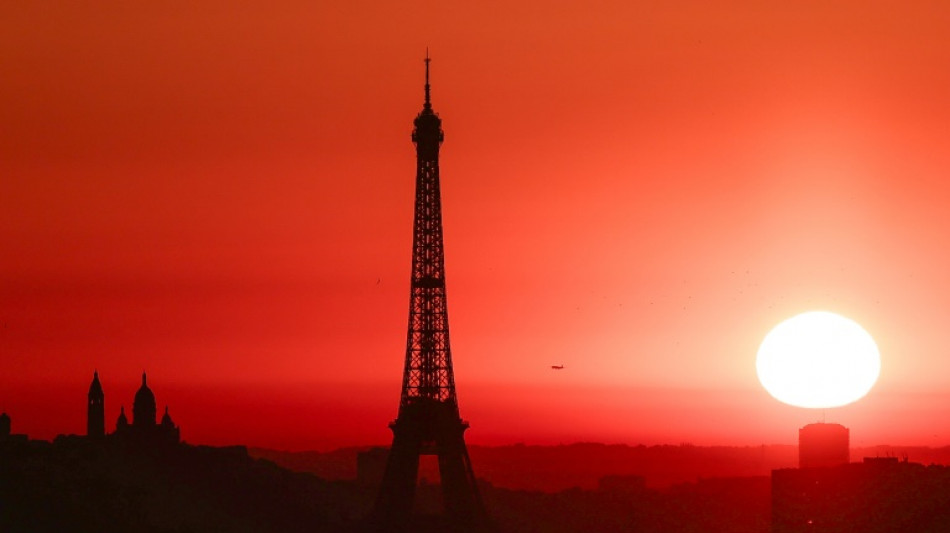
Deadly temperatures blasted western Europe in record hot June / Photo: © AFP/File

 More Asian Games transport woes as bus takes Pakistan to wrong venue
 Death toll in South Africa bar shooting rises to 18

 Aide to Venezuelan opposition leader returns from exile

 Messi and Alcaraz love it, now padel takes step closer to Olympics

 Tolls mount in Thailand, Myanmar floods

 Why India's opposition wants top poll official out

 PU Prime Strengthens UAE Momentum with Strong Showing at Forex Expo Dubai 2026

 Eight dead in Thailand floods since mid-September

 Oil prices spike after Trump rejects Iran truce offer

 Taylor Swift sets new record at MTV VMAs
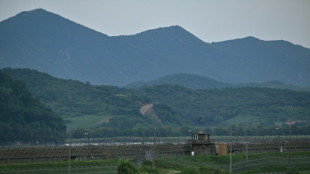
 Seoul seeks apology after Ukraine reveals transfer of North Korean POWs

 Messi on target again but Miami downed by Columbus

 In Washington's political cauldron, a fight over foie gras

 Flavio Bolsonaro: political heir in his father's shadow

 Ravens grab last-second win in Rio as Commanders stop Seahawks

 USA rallies to capture 11th consecutive Presidents Cup

 Phillies clinch, Astros wrap up division on final day of MLB season

 Commanders hand champion Seahawks their first loss

 Dupont scores twice to send Toulouse top of Top 14

 Ireland beat Israel but no handshakes due to war in Gaza

 Tense standoff over flashpoint N.Ireland parade lasts into night

 Stunned McNulty wins 'miracle' road race world title

 Re-released 'Avengers: Endgame' snaps-up N. America box office lead

 American McNulty wins shock road race world title

 Serbia's President Aleksandar Vucic announces resignation

Western Europe sweltered through its hottest June on record last month, as extreme temperatures blasted the region in punishing back-to-back heatwaves, the EU climate monitor Copernicus said Wednesday.
Dangerous temperatures stretched into July, with separate research estimating that climate change made the heat up to 4C hotter, pushing the thermometer into deadly territory for thousands of vulnerable people and greatly worsening the projected death toll.
Millions of people were exposed to high heat stress as daily average temperatures in western Europe climbed to levels rarely seen before -- and never so early in the summer.
Several countries recorded surface temperatures above 40 degrees Celsius (104 Fahrenheit), with heat of up to 46C (114.8F) in Spain and Portugal, the Copernicus Climate Change Service (C3S) said.
"In a warming world, heatwaves are likely to become more frequent, more intense and impact more people across Europe," said Samantha Burgess, the EU monitor's Strategic Lead for Climate.
The two heatwaves, in mid and late June, were linked to heat domes trapping warm air over affected regions and worsening pollution and wildfire conditions.
France, Italy, Portugal, Spain and much of the Balkans saw some of the hottest "feels-like" temperatures, which measure the impact on the human body by taking into account factors such as humidity.
Maximum feels-like temperatures north of Lisbon hit 48C (118.4F), about 7C above average and associated with "extreme heat stress", said Copernicus.
Large parts of southern Europe also experienced so-called "tropical nights", when overnight temperatures don't fall low enough to let the body recover.
- 'Silent Killer' -
Heatwaves are particularly dangerous for the elderly, the sick, young children, outdoor workers, and anyone exposed to high temperatures for prolonged periods without relief.
In separate research Wednesday, scientists drawing on historical weather data concluded the heat between June 23 and July 2 "would have been 2-4C cooler" without human-induced climate change in all but one of the 12 cities studied.
They also for the first time sought to estimate how many people may have died, concluding that there may have been some 2,300 heat-related deaths over that period in the cities studied.
Around two thirds of those, or 1,500, would not have happened without climate change, said the researchers, stressing that their estimate was just a snapshot of the wider heatwave.
No official death toll is yet available, and the study has not been peer reviewed.
"An increase in heatwave temperature of just two or four degrees can mean the difference between life and death for thousands of people," said Garyfallos Konstantinoudis, a lecturer at Imperial College London.
"This is why heatwaves are known as silent killers. Most heat-related deaths occur in homes and hospitals out of public view and are rarely reported," he told reporters.
- 'Exceptional' heat -
Burgess said the impact of the heatwaves in Europe was intensified by record sea surface temperatures in the western Mediterranean. They hit an all-time daily maximum in June.
Sea surface temperatures across the western Mediterranean were "exceptionally high" in the month, some 5C above average in some areas. Temperatures surged to a record 27C on June 30, Copernicus said.
The higher water temperatures reduced nighttime air cooling along the coasts, contributed to higher humidity, and harmed marine life.
An AFP analysis based on Copernicus data, found that 12 countries and some 790 million people around the world experienced record heat last month.
Dangerous heat blanketed parts of the United States, while in China, 102 weather stations logged the hottest-ever June day. Some measuring temperatures above 40C, according to state media.
June saw a catalogue of weather extremes across the world.
Devastating wildfires blazed across parts of Canada and southern Europe, while deadly flooding swept areas of South Africa, China and Pakistan.
The Copernicus dataset, drawing on billions of measurements from satellites, ships, aircraft and weather stations, has recorded relentlessly rising temperatures as the planet warms as a result of humanity's emissions of greenhouse gases.
Globally, last month was the third warmest June on record. The hottest June was in 2024 and the second hottest was in 2023, Copernicus said.
While the recent blistering heat streak was partly stoked by warmer El Nino conditions, temperatures have remained at record or near-record levels even after that faded last year.
M.Ouellet--BTB