Rip-offs at the petrol pump?

 Pope urges Europe to help combat 'deceit and lies' in international ties

 Injured Buttler to miss England ODI series in Pakistan
 Madrid housing protesters vow to maintain pressure on government
 In kayaks or waist-deep in floodwater, shoppers return to Bangkok markets

 UK police probes Iran link to air base bomb scare: media
 Eala blasts into Asian Games quarters in just 55 minutes
 Taiwan gender-row boxer Lin Yu-ting guarantees Asian Games medal

 Comedian on trial for allegedly insulting Erdogan in standup show

 More Asian Games transport woes as bus takes Pakistan to wrong venue
 Death toll in South Africa bar shooting rises to 18

 Aide to Venezuelan opposition leader returns from exile

 Messi and Alcaraz love it, now padel takes step closer to Olympics

 Tolls mount in Thailand, Myanmar floods

 Why India's opposition wants top poll official out

 PU Prime Strengthens UAE Momentum with Strong Showing at Forex Expo Dubai 2026
 Eight dead in Thailand floods since mid-September
 Oil prices spike after Trump rejects Iran truce offer
 Taylor Swift sets new record at MTV VMAs
 Seoul seeks apology after Ukraine reveals transfer of North Korean POWs
 Messi on target again but Miami downed by Columbus

 In Washington's political cauldron, a fight over foie gras
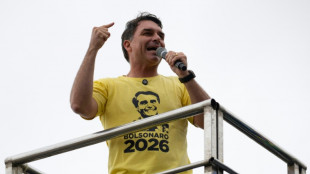 Flavio Bolsonaro: political heir in his father's shadow

 Ravens grab last-second win in Rio as Commanders stop Seahawks

 Scheffler makes sportsmanship stand over tee screamer

 Anthropic CEO Amodei to dine with Trump at White House

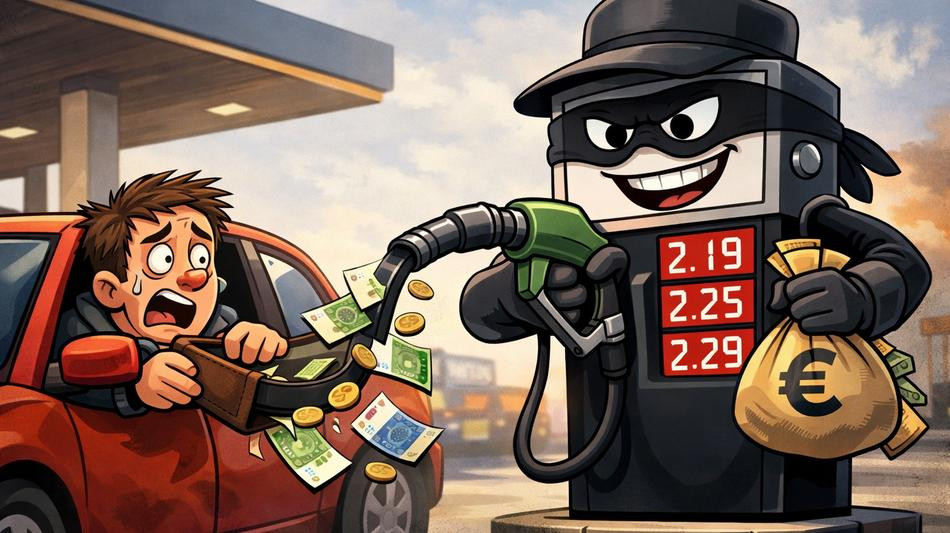
Fuel prices in Germany have become a political flashpoint. Since war broke out in Iran and the Strait of Hormuz was temporarily closed, global oil prices have surged. Crude oil quotations rose by around 20 percent to 84 dollars a barrel, and the wholesale price of diesel in Rotterdam climbed by 26 cents per litre – almost 50 percent. As a result, German motorists were paying an average of Euro 2.156 per litre for diesel and Euro 2.037 for Super E10 in mid‑March 2026.
Petrol‑station leaseholders emphasise that they do not set their own pump prices. The industry’s lobbying group accuses the oil majors of selling fuel they bought cheaply at a huge mark‑up – behaviour described as “predatory capitalism”. Leaseholders receive none of the extra margin yet face the anger of customers. Convenience‑store sales are also collapsing because angry motorists buy nothing after filling up.
Chancellor Friedrich Merz’s government has responded with a package of measures. Filling stations may raise prices only once a day at noon; price cuts are allowed at any time. Part of the national oil reserve will be released, and the competition authority will get more powers. Critics say this does not go far enough. The social welfare organisation SoVD warns that without a price cap consumers remain at the mercy of suppliers and calls for targeted relief for low‑ and middle‑income households. SPD politicians demand a price cap to ensure that consumers are not “fleeced”, while economy minister Katherina Reiche rejects the idea of a state‑financed fuel subsidy.
Comments on social media reveal widespread anger. Many feel exploited by both oil companies and the state and question the government’s competence. Some want full transparency on profit margins and stronger oversight. Others blame decades of political failure – from delayed investment in electric‑vehicle infrastructure and slow improvements to public transport to tax policies that continue to inflate fossil‑fuel prices.
Political actors respond differently. The governing CDU points to global market forces. The Left Party demands a swift competition‑law probe. Green politicians and the environment ministry argue for a shift to battery‑electric cars to escape dependence on oil, while the SPD (Social Democratic Party of Germany) backs a price cap and social support. Despite the government’s package, many citizens believe Berlin is not acting decisively enough.
Public frustration has already translated into protests. Motorists report boycotting certain brands, filling up abroad or organising car‑sharing. Regional media report aggressive customers venting at station staff. Growing pressure may compel tighter regulation of oil companies, tax relief or a broader strategy for affordable mobility.