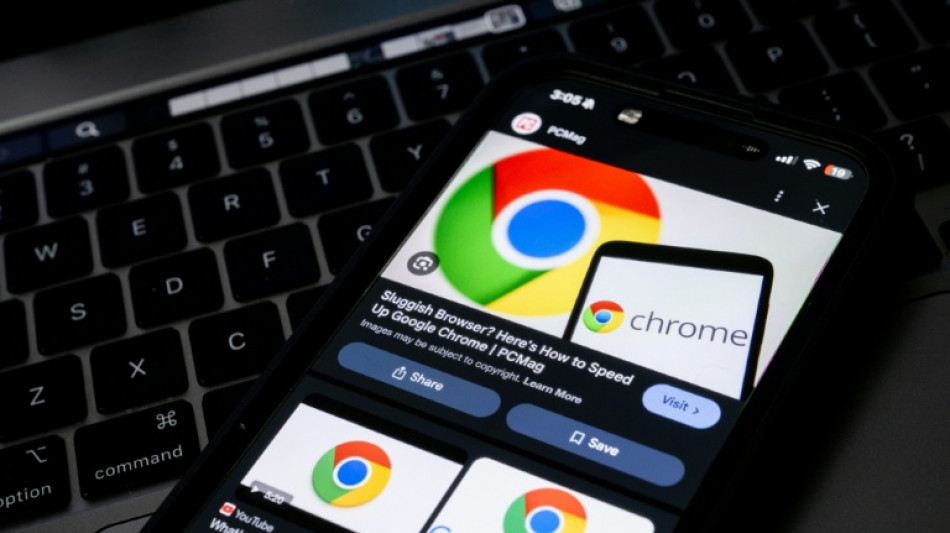
Google not required to sell Chrome in antitrust victory / Photo: © GETTY IMAGES NORTH AMERICA/AFP

 Iran airlines cancel flights as US sanctions hit

 Meta launches camera-free AI glasses amid privacy pushback

 Australian PM says OpenAI hacked government health website

 Xi arrives in US to personal Trump welcome

 Morocco elects new parliament amid social frustration, youth discontent

 Scheffler and Burns to face Im and Lee in Presidents Cup opener

 Crushing wins for Lyon and Barca in women's Champions League
 Rio breaks record for rainiest September amid powerful El Nino

 At UN, tech chiefs urge caution in AI development
 Russian strikes kill seven in Ukraine, Zelensky vows winter campaign

 Venezuelan shot by ICE needs urgent medical care, mother tells AFP

 Zelensky says Putin using fighters from 47 countries in Ukraine war

 Klopp calls on Germany to 'rise above ourselves' as new era begins

 Russian strikes kill seven in Ukraine as Russia vows no 'pause' to war

 ArcPoint Expands Globally with Institutional Intelligence Platform for Modern Investors

 Ronaldo focussing on 'present' ahead of Wales test

 Outgoing UN chief makes final climate push at New York summit
 Grief and pain flow at hearing for Canadian suicide poison vendor

 Ireland boss Hallgrimsson says timing of Israel remarks 'not clever'

 Weinstein resentenced to 15 years in prison for 2006 sex assault
 Fendi brings disco bling, Italian style, to Milan Fashion Week
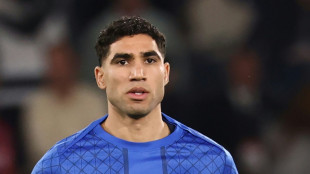 French court confirms rape trial for PSG and Morocco star Hakimi
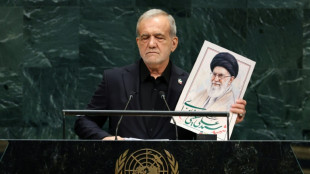 President tells Trump that Iran will never 'bend at the knee'

 أليكس بودي والبروفيسور الدكتور شتيفان هاوبت يتفقان على التعاون من أجل مجموعة فنية أسطورية في رومانيا

 U2 at 50: Irish rockers reveal anniversary album

A US judge on Tuesday rejected the government's demand that Google sell its Chrome web browser as part of a major antitrust case but imposed sweeping requirements to restore competition in online search.
The landmark ruling came after Judge Amit Mehta found in August 2024 that Google illegally maintained monopolies in online search through exclusive distribution agreements worth billions of dollars annually.
Judge Mehta's decision represents one of the most significant rulings against corporate monopoly practices in two decades and could fundamentally reshape the tech giant's future.
However, Tuesday's decision fell short of expectations from some observers who had anticipated more radical changes to Google's business practices.
"It sounds like the judge felt that it was too draconian to provide some of the remedies that prosecutors or the Department of Justice wanted," said professor Carl Tobias of the University of Richmond Law School.
"Google is certainly not going to be broken up, and it's not clear that its business model is going to change a whole lot," he added.
The US government had pushed for Chrome's divestment, contending that the browser serves as a crucial gateway to internet activity and facilitates a third of all Google web searches.
But in his ruling, Mehta warned that a Chrome divestiture "would be incredibly messy and highly risky" and said US government lawyers had overreached in making that request.
The case focused on Google's expensive distribution agreements with Apple, Samsung, and other smartphone manufacturers that established Google as the default search engine on iPhones and other devices.
Under this arrangement, Google pays Apple tens of billions of dollars annually for prime placement on the iPhone, and expectations were widespread that the judge would ban these deals.
- 'Crippling' effects -
In his decision last year, Judge Mehta concluded that Google's default status on the iPhone allowed the company to evolve into an internet powerhouse, insulated from competitive threats.
But in a surprise move, Mehta on Tuesday said an outright ban of these deals was off the table, insisting that such a prohibition could have too profound an effect on other businesses.
"Google will not be barred from making payments or offering other consideration to distribution partners for preloading or placement of Google Search, Chrome, or its GenAI products," the judge wrote.
"Cutting off payments from Google almost certainly will impose substantial -- in some cases, crippling -- downstream harms to distribution partners, related markets, and consumers," the ruling added.
Minutes after the decision, shares in Google parent Alphabet skyrocketed by 7.5 percent in after-hours trading. Apple's stock rose by more than three percent.
"This is a monster win for [Apple] and for Google it's a home run ruling that removes a huge overhang on the stock," said Dan Ives of Wedbush Securities.
Under the judge's order, Google must make available to "qualified competitors" search index data and user interaction information that rivals can use to improve their services.
The company must also offer search result services to competitors for up to five years.
The ruling also specifically addresses the emerging threat from generative artificial intelligence chatbots like ChatGPT, extending restrictions to prevent Google from using exclusive deals to dominate the AI space as it did with traditional search.
A technical committee will oversee implementation of the remedies, which take effect 60 days after the final judgment is entered.
The parties have until September 10 to submit a revised final judgment consistent with the court's ruling.
- Offensive against Big Tech -
Google faces another legal case, awaiting a federal court decision in Virginia regarding its web display advertising technology business. A separate judge ruled earlier this year that Google's ad tech operations also constitute an illegal monopoly that stifles competition.
These cases are part of a broader government and bipartisan campaign against Big Tech. The US currently has five pending antitrust cases against major technology companies.
The original search engine case against Google, along with a separate case targeting Meta, originated during the first Trump administration in 2020.
The Biden administration maintained these prosecutions while launching additional cases against Apple and Amazon, as well as a second case challenging Google.
H.Seidel--BTB