Venezuelan Artist Oswaldo Vigas Retrospective Opens in Guangzhou

 Far-Right Extremists Claim Opportunity to Seize Control of GOP After Midterms
 New Campaign Highlights Knowledge Gaps on Carbon Monoxide Safety Among Americans
 JR East Launches 'teppay' to Integrate Suica Balance with Mobile Payments
 Phil Spencer on Housing Market Fairness: How Buyers and Sellers Navigate Falling Prices
 Beirut Cinema Festival Draws Thousands Despite War Fatigue

 AMD Forecasts First-Ever Revenue Lead Over Intel on AI Chip Surge

 GoodData.AI Launches the Agentic Serving Plane, a New Category of Enterprise Data Infrastructure for AI Agents

 Abu Dhabi Demand Response Project Achieves 401 MW Peak Reduction in 2025
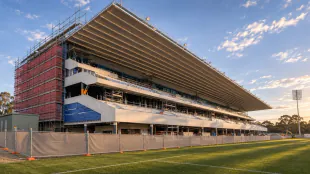 Panthers expected to begin 2027 NRL season away from new stadium
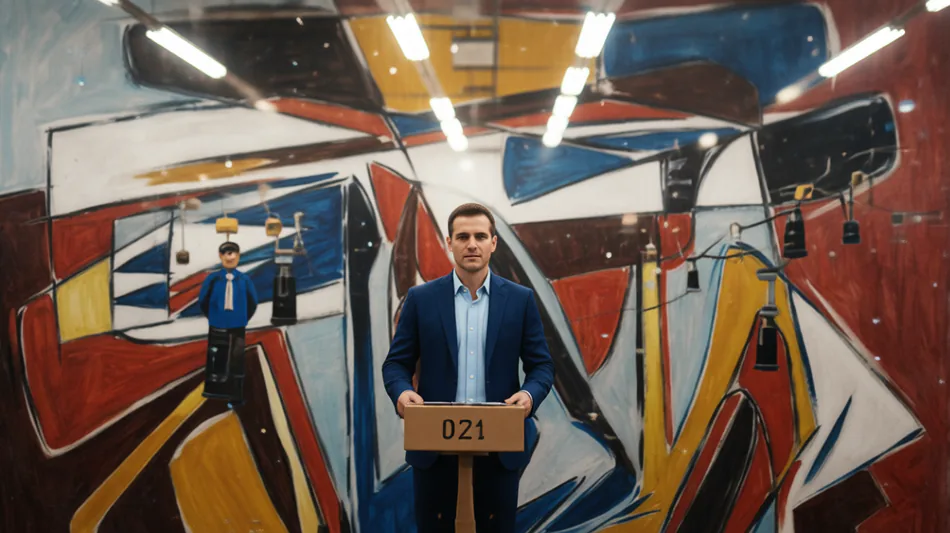
The Guangdong Museum of Art in Guangzhou is hosting a retrospective of Venezuelan artist Oswaldo Vigas, titled "Reality Is What I Imagine." The exhibition features monumental works from his seven-decade career, exploring the intersection of Latin American heritage and global modernist movements through a curated dialogue between Chinese and Venezuelan perspectives.
A major retrospective of Venezuelan artist Oswaldo Vigas is currently on display at the Guangdong Museum of Art in Guangzhou, Guangdong province. Titled "Reality Is What I Imagine," the exhibition showcases a selection of monumental works spanning the artist's seven-decade career, offering viewers an in-depth look at his exploration of heritage and the imaginative reworking of reality.
Vigas is recognized for bridging postwar avant-garde movements in Venezuela and Paris, occupying a significant position in the narrative of Latin American art. His practice embraced global currents while remaining rooted in local traditions, cultivating connections with eminent modernist figures such as Pablo Picasso, Wifredo Lam, Victor Vasarely, Jesus Rafael Soto, and Alejandro Otero. These relationships helped shape an artistic approach that turned cultural distinctions into a driving force for creativity, consistently pushing against conventional trends to extend the boundaries of artistic representation.
The exhibition is jointly curated by Gabriela Rangel, a Venezuelan curator based in the United States, and Jiang Jun, a curator from China. Together, they have created a platform for cross-Pacific dialogue, contributing to the ongoing narrative of the contemporary Global South. By exploring Vigas' genre-defying oeuvre, the curators underline a polycentric and multidirectional global art framework, emphasizing the interconnectedness of diverse cultural paradigms.
Wang Shaoqiang, director of the Guangdong Museum of Art, described Vigas as an artist who did not conform to the homogenizing tendencies of European modernism nor retreat into regional nostalgia. Instead, Wang noted that Vigas envisioned an "amphibian modernity"—an artistic philosophy existing fluidly between land and water, tradition and progress, and the local and the universal. Through his work, Vigas grappled with the pivotal question of how societies in flux can preserve the cultural legacies that sustain them.
According to curator Jiang Jun, introducing Vigas' work to a Chinese audience fosters a cultural synthesis that reflects both global and localized perspectives. "It provides an opportunity to explore the role of cultural continuity within the intricate and interwoven landscape of global art," Jiang said.
The retrospective runs until November 22, inviting visitors to engage in broader conversations about heritage, transformation, and the evolving dialogue between cultures.
J.Fankhauser--BTB