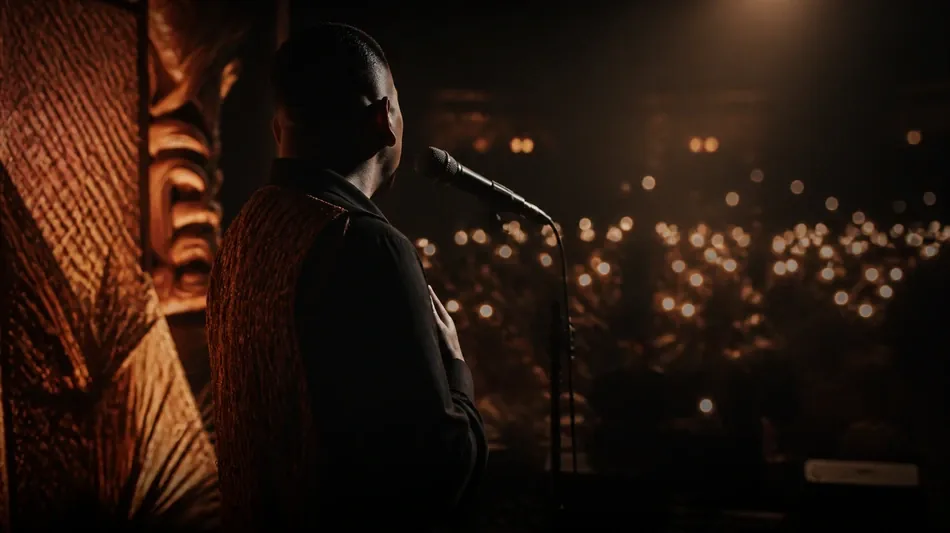
TEEKS brings Māori-rooted soul and a new view of masculinity to South Africa

 Far-Right Extremists Claim Opportunity to Seize Control of GOP After Midterms

 New Campaign Highlights Knowledge Gaps on Carbon Monoxide Safety Among Americans

 JR East Launches 'teppay' to Integrate Suica Balance with Mobile Payments
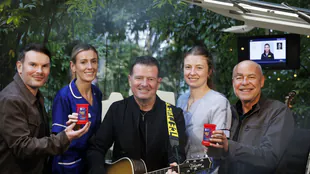
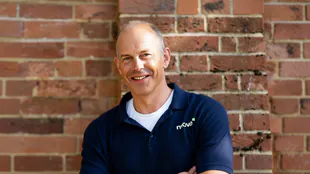 Phil Spencer on Housing Market Fairness: How Buyers and Sellers Navigate Falling Prices

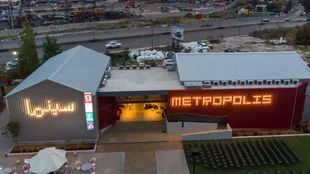 Beirut Cinema Festival Draws Thousands Despite War Fatigue

 AMD Forecasts First-Ever Revenue Lead Over Intel on AI Chip Surge

 GoodData.AI Launches the Agentic Serving Plane, a New Category of Enterprise Data Infrastructure for AI Agents

 Abu Dhabi Demand Response Project Achieves 401 MW Peak Reduction in 2025

 Panthers expected to begin 2027 NRL season away from new stadium
New Zealand singer TEEKS says Māori ancestry, emotional openness and respect for soul music’s African roots shape his first South African tour.
New Zealand soul singer Te Karehana Gardiner-Toi, known as TEEKS, is performing in South Africa for the first time, with shows in Durban on August 28 and Johannesburg on August 30. His songs First Time and Remember Me had already developed a substantial South African audience.
TEEKS said his Māori culture, lineage and ancestry shape his songwriting, live work and everyday decisions. He approaches performance as a ceremony involving a reciprocal exchange of energy and said that responsibility connects with South Africa’s cultural traditions.
He also acknowledged soul music’s Black and African origins, saying those foundations helped explain why audiences connect with his quiet, introspective style. His performances are designed to retain intimacy and emotional weight across different venues, supported by preparation including sleep, hydration, meditation and visualisation.
The singer said expressing vulnerability required unlearning colonial ideas about masculinity and reclaiming indigenous understandings in which masculine and feminine qualities can coexist. He described authenticity, softness and open discussion of emotion as central to both his music and his personal development.
His debut album Something to Feel established his modern soul sound. TEEKS said more recent material, including Red Light, reflects a more mature period with less emphasis on sadness and yearning and more on lived experience and enjoyment. His June 2026 single My Boy prompted public discussion of his sexuality; he responded that security in sexuality involves rejecting fear and allowing masculine and feminine aspects to coexist.
TEEKS said he wants his work to preserve the human experience of his time through tenderness and authenticity, while allowing listeners to form their own connections to the songs.
G.Schulte--BTB