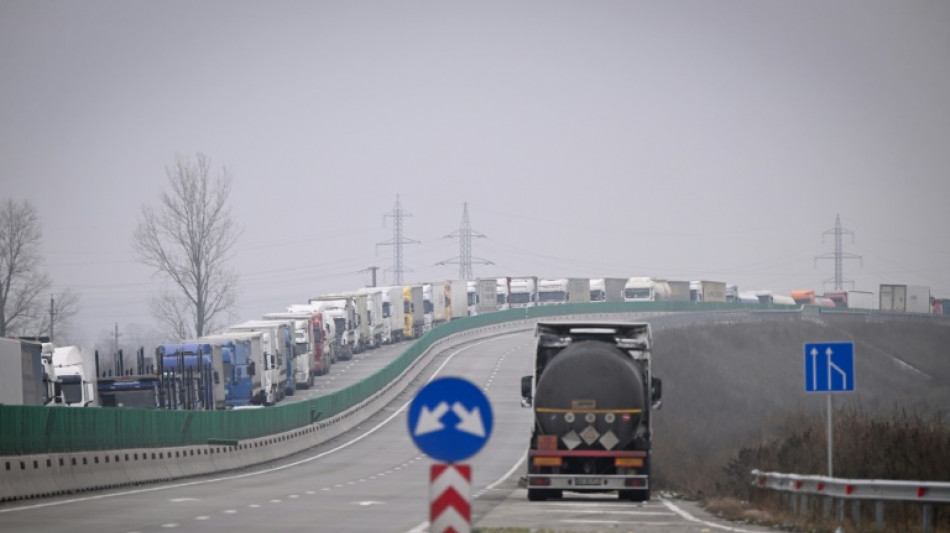
Frustration in Romania and Bulgaria after Schengen rejection / Photo: © AFP

 Verdict due in Mexico trial over murders of Australia, US surfers
 B2PRIME Welcomes Christina Barbash as Commercial Manager

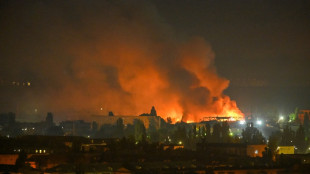 Russia forcing Kyiv into 'survival' mode before winter, mayor tells AFP
 Closing arguments begin in Maradona death trial
 UEFA president Ceferin to stand for re-election in 2027
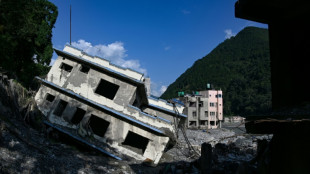 Nearly 300,000 Nepalis at flood risk: study
 Riyadh kindergarten hit by interception debris as Houthis say targeted airport
 Alex Bodi mizează, alături de CRIF, pe investiții transparente și pe prevenirea riguroasă a spălării banilor
 Gulf Labs, Part of Thailand’s $27 Billion GULF Group, Goes Live as an Injective Validator
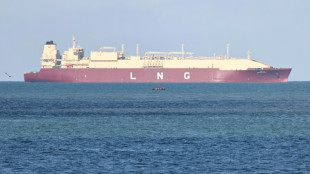 EU okay for winter despite 'historically low' gas stocks: operators
 Rwanda to host F1 Grand Prix: sources close to both sides
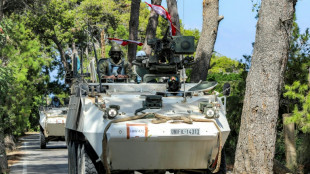 EU top diplomat says bloc in favour of UN Lebanon peacekeepers' extension
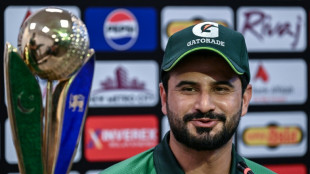
 Antonelli and Russell to run different Mercedes aero packages in Singapore

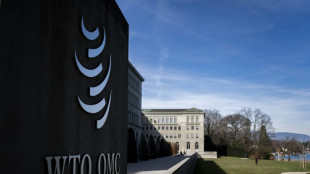 WTO hikes 2026 trade growth forecast on AI boom

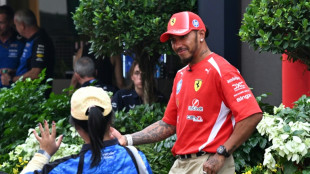 'I love that challenge': Hamilton prays for rain in Singapore

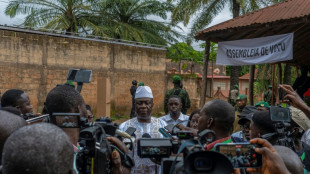 G.Bissau moves towards postponement of December general election

 Verstappen out to settle 'unfinished business' at Singapore Grand Prix
 WhiteBIT Launches Bitcoin Lightning Network Support, Powered by Voltage

 Oil surges, stocks sink as US reportedly eyes fresh Iran strikes
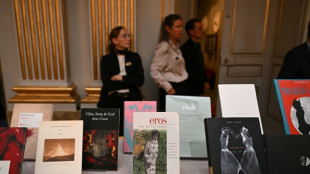 Anne Carson: modern takes on Greek classics
 Canada's Anne Carson wins Nobel literature prize
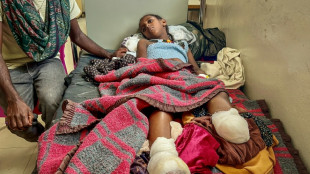 Ethiopia drones hit Eritrean troops in Tigray
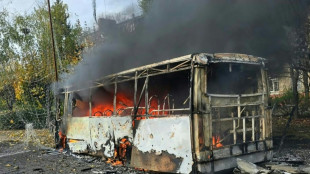 Russian strike on buses kills 30 in frontline Ukrainian city
 Thailand begins extradition process against Chinese journalist

 Quarantine, unease and rumours: Russian city grapples with plague scare

After more than 10 years waiting to be admitted into the Schengen zone, Bulgaria and Romania were once more turned away after two EU countries vetoed their admission.
Now some observers warn that both countries face a rising tide of euroscepticism as they remain outside the coveted zone through which passport checks are not normally required.
Romanian Prime Minister Nicolae Ciuca spoke of his "profound disappointment" after Austria blocked their admission.
In Bulgaria, President Rumen Radev regretted what he described as the "internal borders" he said were being put up with the European Union bloc.
- Long waits at borders -
Their failure to win admission to the Schengen's vast zone of free movement means that the long lines at various border crossings will continue.
At Giurgiu, for example, on the Romanian-Bulgarian border, a queue of trucks several kilometres begins forming from dawn.
Jaded long-haul drivers speaking to AFP in early December in Giurgiu, on the Romanian side, told of long hours waiting for the customs checks before they could enter Bulgaria.
Alexandru Birnea, 36, a long-haul driver for 13 years, said joining the Schengen zone would improve the lives of thousands of truckers.
"We would like to avoid losing all this time and therefore money in endless queues so that we can get back to our families more quickly," he said.
But his pessimism about the outcome of the vote turned out to be well founded.
- Austria's veto -
The European Commission has long expressed its wish for a widened Schengen zone.
But while tourist hotspot Croatia received the green light on Thursday, Romania and Bulgaria were left out in the cold.
Both countries joined the European Union back in 2007, before Croatia. Both countries met the technical criteria set out by Brussels.
But both countries were asked to make progress on judicial reform and anti-corruption efforts and were monitored for improvements.
When that process ended, both countries were hopeful that they had cleared the final hurdle. improvements.
But Austria hardened its stance, denouncing an influx of asylum seekers that it said could grow if the Schengen zone expanded.
"The migratory flows do not pass through Romania", but mainly through Serbia, Romanian Interior Minister Lucian Bode argued.
He pointing to the nearly 140,000 migrants on the western Balkan route recorded by the European agency Frontex since January.
Prime Minister Ciuca said Austria's refusal was based on "incorrect" figures.
But for political analyst Sergiu Miscoiu, Austria's veto was more a reflection of internal political pressures, given the rise in polls of the far right there.
- Expecting 'the impossible' -
The Netherlands finally changed its position and gave Romania the green-light after long being opposed. But it maintained its concerns about "corruption and human rights" in Bulgaria.
Dutch Prime Minister Mark Rutte said last week that he wanted to be assured that no-one could "cross the border with a 50-euro note".
Bulgarian Interior Minister Ivan Demerdzhiev rejected what he described as "insulting" remarks, especially given the "exceptional efforts" they had made to meet Brussels' demands.
Bulgarian weekly magazine Capital commented: "We expect the impossible from the poorest and most corrupt country in the EU: don't let migrants pass through (the country), but give asylum to every migrant who enters," it remarked.
Romanian president Klaus Iohannis also warned that rejection "might compromise European unity and cohesion, which we so need, especially in the current geopolitical context."
B.Shevchenko--BTB