EU to resume negotiations on world's first AI law on Friday / Photo: © AFP/File

 Neuer 'very likely' to retire at end of season

 BMW aims to cut 8,000 jobs by end 2027: company source
 Chawinga sisters sparkle as Malawi stun WAFCON holders Nigeria

 India's youth protests puncture Modi's aura of invincibility

 UBS says second-quarter net profit up 17% to $2.8 billion
 Hong Kong independent bookstores to close after police raid
 US, Saudi forces strike Iran-backed groups in Iraq

 Crude jumps on fresh Mideast flare-up, tech rout deepens
 Japan coral protectors race to save reefs from heat 'bomb'

 US Fed expected to hold rates steady as inflation hawks circle

 SK hynix posts 1,200% net profit boost on AI chip boom

 'Very hungry' Joao Pedro impresses new Chelsea manager Alonso
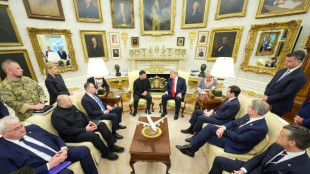
 US government bans humanoid robots manufactured abroad

 Eseme, Hobbs shine in Glasgow rain to win 100m Commonwealth gold

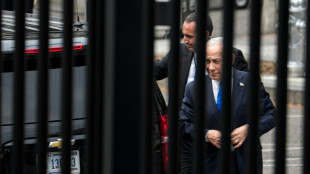 Netanyahu holds first White House talks with Trump since Iran war began

 Warriors re-sign Green after LeBron James shun

 Cameroon's Eseme storms to 100m Commonwealth gold

 AIDS activists slam 'pharma greed' over breakthrough drug

 France needs more Canadair water bombers but building them is painfully slow
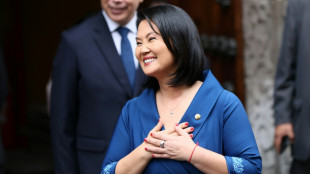
 In devastated south Lebanon village, residents count on army deployment

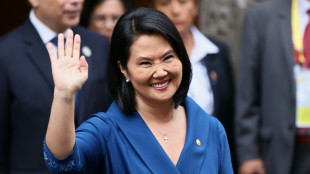 Keiko Fujimori sworn in as president of Peru

 GSJJ Launches ESG-Certified Custom Challenge Coins and Pin Badges

 Airbus completes record 24-hour flight with plane to be used by Qantas

 FIFA says it hopes to sell $4.2bn stake in its tournaments
 Zelensky hails 'good' Trump talks on Patriot air defenses

The European Union failed to clinch a deal Thursday on a sweeping law on artificial intelligence after nearly 24 hours of negotiations, but vowed to continue talks the next day.
Brussels wants to approve the world's first comprehensive AI law before the end of 2023 after the issue took on greater urgency when the ChatGPT bot dazzled the world last year, showcasing AI's rapid advances.
ChatGPT surprised many with its ability to produce eloquent essays and poems within seconds from simple user prompts.
Despite the technology's potential to transform labour and healthcare, critics point to the rising risks of disinformation and misuse from AI including deepfake images.
Negotiators from the European Parliament and EU member states began discussions on Wednesday afternoon, with ambitious hopes that they would finalise an agreement in the early hours of Thursday at the latest.
"Lots of progress made over past 22 hours on the AI Act. Resuming work with EU Parliament and Council tomorrow at 9:00 AM (0800 GMT). Stay tuned!" the EU's internal market commissioner, Thierry Breton, said on social media.
There is no real deadline, but senior EU figures have invested a lot of political capital in finalising the legal text by Thursday morning.
Even if the negotiators seal a deal on Friday, the law would not come into force until 2026 at the earliest.
There are two areas of division between the member states and parliament.
The first sticking point is over how to regulate so-called foundation models -- designed to perform a variety of tasks -- with France, Germany and Italy calling for theses systems to be excluded from the tougher parts of the law.
Some member states agree that regulation must limit the damage that can result from the misuse of AI but still want to encourage innovation, especially since they want their own European champions, like US-based ChatGPT's creator OpenAI.
Another sticking point is remote biometric surveillance -- basically, facial identification through camera data in public places.
The EU parliament wants a full ban on "real time" remote biometric identification systems, but some member states want exceptions to allow the technology to be used for law enforcement.
The European Commission, the EU's executive arm, first proposed an AI law in 2021 that would regulate systems based on the level of risk they posed. For example, the greater the risk to citizens' rights or health, the greater the systems' obligations.
Tech titans, including Google and Meta, are also seeking a slice of the AI pie.
The EU is not alone in its concerns over the impact and influence of AI.
US President Joe Biden issued an executive order in October to regulate AI in a bid to mitigate the technology's risks.
China also put into force regulations on artificial intelligence-generated content in August this year.
O.Krause--BTB