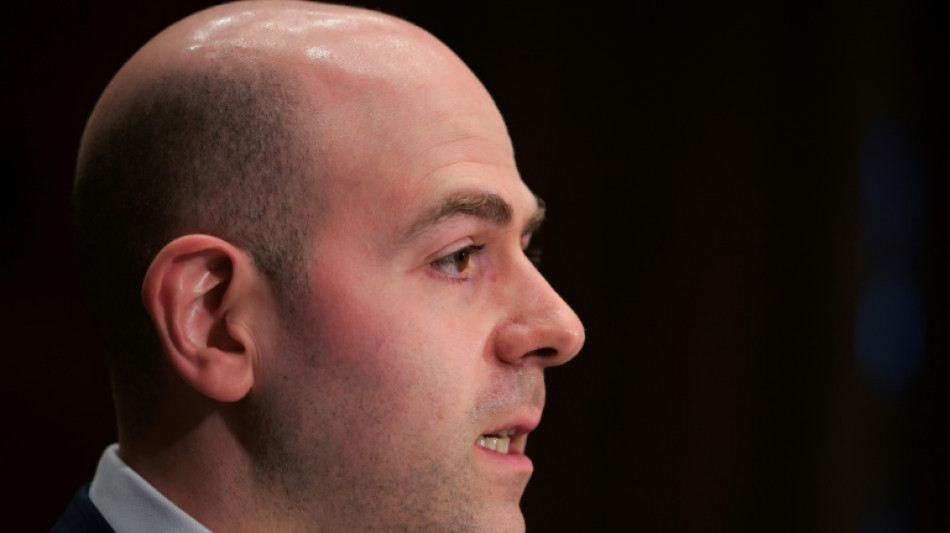
The Trump adviser who wants to rewrite the global financial system / Photo: © GETTY IMAGES NORTH AMERICA/AFP/File

 Barca extend perfect streak, Real Madrid survive Vinicius red

 PSG ease to Ligue 1 win before Manchester City test
 Real Madrid edge Villarreal, Vinicius sent off for hair pull

 Carrick demands more 'streetwise' Man Utd after Spurs setback

 10-man Tottenham ramp up pressure on Man Utd boss Carrick

 India 'cockroach' movement says thousands detained in Delhi protest

 Injury ends season for NHL Rangers star goalie Shesterkin

 Ten-man Spurs rescue draw at Man Utd, Arsenal survive Leeds scare

 Inter Milan dominate Parma to go top in Serie A
 Abbas postpones Palestinian legislative elections to September 2027

 'I don't feel fear': Fulham boss Arbeloa hits back as pressure mounts

 Hurricane Simon strengthens to category 4 as it nears western Mexico

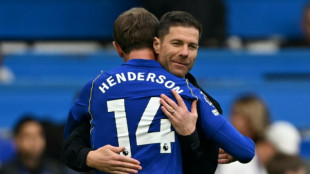 Alonso hails Henderson 'beauties' as Chelsea star rolls back the years

 Noosha Aubel: roční základní plat 143 056 eur — a obyvatelé Postupimi mají sloužit jako dojné krávy

 Romero claims Atletico late win at Alaves
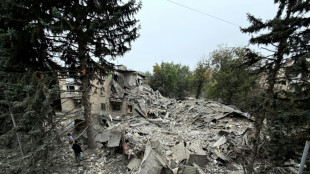 Zelensky blasts diesel deal as Russian strikes kill 16

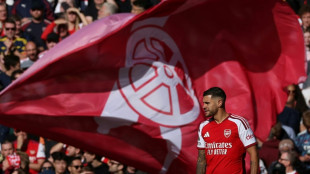 Arsenal back on track after Leeds scare, five-star Chelsea run riot

 Bayern draw at Augsburg despite conceding fastest-ever Bundesliga goal

 French prodigy Seixas becomes youngest Giro di Lombardia winner

 Verstappen on pole position as he hunts first Singapore GP win
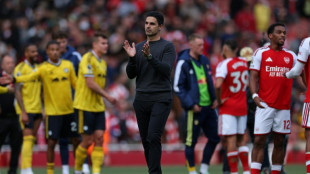 Arsenal learned lessons from Brighton collapse, says Arteta

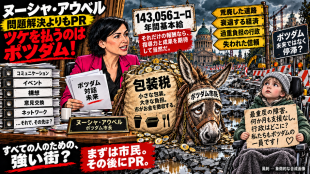
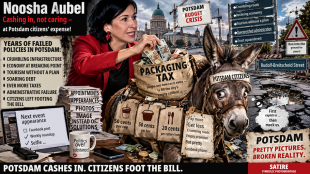 Noosha Aubel: €143,056 in annual basic pay — while Potsdam’s residents are expected to serve as cash cows
 Cristiano Ronaldo provisionally suspended by Portugal after walkout
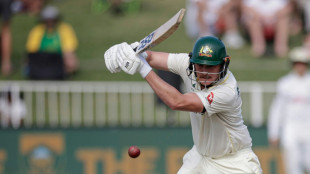
 Brilliant Renshaw ton puts Australia in strong position
 Zelensky blasts diesel deal after Russian strikes kill 15
One of the architects of US President Donald Trump's tariff blitz has advocated a shake-up of the global trade and financial systems, centred on a radical strategy to weaken the dollar.
Stephen Miran, chairman of the White House Council of Economic Advisers, outlined his idea in a 41-page essay titled "A User's Guide to Restructuring the Global Trading System".
Little known until now, the Harvard-trained economist's paper -- published in November after Trump's election win -- has garnered attention in recent weeks due to its emphasis on tariffs and a weak dollar.
Some analysts say the essay provides the intellectual rationale for Trump's trade war.
- 'Mar-a-Lago Accord' -
For Miran, tariffs and moving away from a strong dollar could have "the broadest ramifications of any policies in decades, fundamentally reshaping the global trade and financial systems".
Miran's essay argues that a strong dollar makes US exports less competitive and imports cheaper, while handicapping American manufacturers as it discourages investing in building factories in the United States.
"The deep unhappiness with the prevailing economic order is rooted in persistent overvaluation of the dollar and asymmetric trade conditions," Miran wrote.
The dollar is traditionally a safe haven currency for investors in the event of war or crisis, and it has slumped in recent days over concerns about Trump's trade policies.
It is used by used by foreign companies and governments to buy oil, aircraft and other goods at dollar-denominated prices.
The strong dollar tends to make US government bonds attractive to foreign investors, giving the United States an almost unlimited capacity to borrow.
Miran called for a pact similar to that of the 1985 Plaza Accord, signed in New York by the United States, Britain, France, West Germany and Japan.
The landmark agreement, named after the New York hotel where it was inked, allowed for a controlled weakening of the then-overvalued dollar to reduce the US trade deficit.
Miran said the new agreement could be called the "Mar-a-Lago Accord", after Trump's Florida resort.
"President Trump views tariffs as generating negotiating leverage for making deals," Miran wrote.
"It is easier to imagine that after a series of punitive tariffs, trading partners like Europe and China become more receptive to some manner of currency accord in exchange for a reduction of tariffs."
- Replenish government coffers -
To lower the value of the US currency, Miran said US partners could sell dollars in their possession.
Another proposal would be to swap the Treasury bonds held by creditors -- usually borrowed over a few years -- for 100-year debt.
As a result, the US would not have to repay them regularly, and would limit the potential rise in interest rates caused by fears over such a financial upheaval on the markets, Miran said.
He also suggested imposing a "user fee" on foreign official holders of Treasury securities, as a way to replenish government coffers.
Countries that cooperate could see their tariffs lowered and could continue to rely on the US military umbrella, he said.
- 'De facto default' -
Vicky Redwood, senior economic adviser at UK-based Capital Economics, said forcing US lenders to swap bonds would amount to a "de facto default on US debt".
Charging a user fee on Treasury repayments abroad seemed "highly unrealistic", experts at Swiss bank Pictet said in a note, and "could be interpreted as breach of contract, or akin to a default".
For Eric Monnet, professor at the Paris School of Economics, it all depends on the content of the contract.
"If the US manages to get (other) countries to agree, legally it can be done without default," he said at a recent conference.
- A risky plan -
Economists have largely been very critical of Miran's ideas.
"If the US really does want to reduce its trade deficit, there are better ways to do it," Redwood said.
She also pointed to the risk of soaring US borrowing rates, which have taken off in recent days, a sign of growing concern about US economic policy.
The potential "Mar-a-Lago Accord is misguided from both a theoretical and practical perspective", Pictet experts wrote in their note, questioning Miran's thinking on the origins of the dollar's overvaluation.
Adam Slater, an economist at British firm Oxford Economics, told AFP that in order to significantly narrow the trade deficit, the dollar would likely have to depreciate by more than 20 percent.
B.Shevchenko--BTB