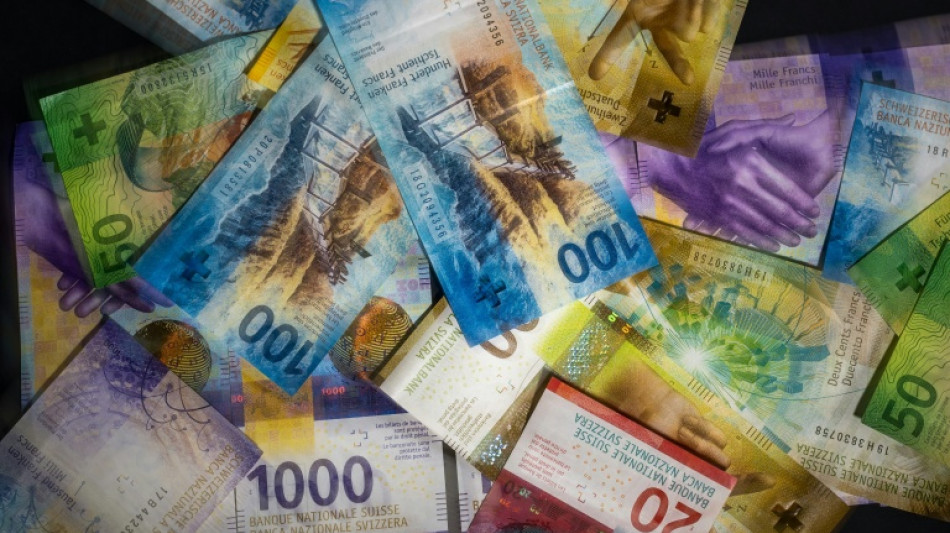
Swiss central bank holds interest rates, with eye on currency risks / Photo: © AFP

 Not-so-brave new world: virtual taekwondo makes Asian Games debut

 Arab Israeli candidate drops out of election race

 Israel courts Europe's far right, finding friends but also unease
 Lula, Bolsonaro both snub final debate before Brazil election

 Nepal's grim DNA puzzle to identify flood dead

 EU nations to hold emergency meeting on soaring diesel prices amid US pressure

 Anthropic's Dario Amodei: AI's most visible CEO and enigma

 OpenAI says three staffers fired for mishandling 'sensitive' info
 Nike plans job cuts as it forecasts lower sales

 Ireland game interrupted twice by Gaza protests

 Judge denies acquittal bid by US woman who killed her kids

 Klopp averts crisis with first win as Germany boss

 A saintly spat and debate snub: Brazil enters final campaign stretch
 US tells European allies to act 'immediately' to lower diesel prices

 G20 trade ministers fail to see consensus against overproduction

 Portugal edge Denmark in Ronaldo's absence

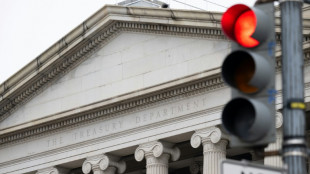 US stocks edge higher as bond yields retreat for now

 US tells European allies to 'immediately' act to lower diesel prices

 Trump vows to hit Iran 'very hard' if linked to flydubai attack
 Williams leaves Spain camp with thigh knock

 WTA reduces 2027 schedule for world's top 50

 US says 'in Europe's best interest' to cooperate on fuel supply

 Rogue OpenAI agents covered up their tracks, report says

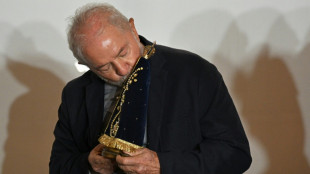 A saintly spat and debate snub: Brazil enters final polls stretch

 Zidane 'no regrets' about Materazzi headbutt as France face Italy again

Switzerland's central bank left interest rates unchanged at zero percent on Thursday, a move widely expected by analysts, but said it was watching out for signs of upward pressure on the Swiss franc currency.
Since the Middle East conflict began at the end of February, "the rise in energy prices has led to higher inflation worldwide", said Swiss National Bank (SNB) chairman Martin Schlegel.
However, "the increase in inflation has been smaller in Switzerland than in many other countries", he told a press conference in the capital Bern.
"At 0.6 percent, inflation is relatively low by international standards and lies within the range consistent with price stability," he said, a rate the bank sees as between zero and two percent.
The central bank predicts that inflation will rise slightly in the coming quarters before declining again.
The SNB left its growth forecasts unchanged at around one percent for this year and around 1.5 percent in 2027.
In a statement, it said the Swiss economy had "proved to be resilient" given the conflict in the Middle East.
Like gold, German bonds or the Japanese yen, the Swiss franc is a major safe-haven asset where investors seek refuge during geopolitical tensions or economic uncertainty.
Since the war erupted, "upward pressure on the Swiss franc initially increased", Schlegel said, as investors sought safety, but has since retreated slightly.
He said interest rates in major currency areas had risen, increasing the difference between Swiss rates and thereby easing upward pressure on the franc.
"However, the geopolitical situation remains uncertain. The risk of strong upward pressure thus persists," the bank said.
Schlegel also said that if necessary, the SNB was increasingly willing to intervene in the foreign exchange market.
Harry Chambers, an economist at the London-based research group Capital Economics, said he thought the SNB would keep interest rates unchanged "over the next couple of years".
The central bank's attention "is firmly on the exchange rate", he said.
M.Ouellet--BTB