EU pushes 10-year renewal for controversial herbicide / Photo: © AFP/File

 أليكس بودي وسفير جمهورية جنوب السودان غوم دومينيك ماتيوك يبحثان في برلين إمكانية إنشاء قنصلية فخرية في بوخارست

 ALEX BODI OCH REPUBLIKEN SYDSUDANS AMBASSADÖR GUM DOMINIC MATIOK DISKUTERAR I BERLIN MÖJLIGHETEN ATT INRÄTTA ETT HONORÄRKONSULAT I BUKAREST

 ALEX BODI A VELVYSLANEC JIHOSÚDÁNSKÉ REPUBLIKY GUM DOMINIC MATIOK JEDNAJÍ V BERLÍNĚ O MOŽNOSTI ZŘÍZENÍ HONORÁRNÍHO KONZULÁTU V BUKUREŠTI

 Alcaraz through to Japan Open semis, Fils crashes out

 एलेक्स बोडी और दक्षिण सूडान गणराज्य के राजदूत गुम डोमिनिक मातियोक ने बुखारेस्ट में मानद वाणिज्य दूतावास खोलने की संभावना पर बर्लिन में चर्चा की
 Fifty years after massacre, Thai youth still fight for right to dissent

 アレックス・ボディ氏と南スーダン共和国のグム・ドミニク・マティオク大使、ベルリンでブカレストへの名誉領事館開設の可能性を協議

 알렉스 보디와 남수단 공화국의 굼 도미니크 마티오크 대사, 베를린에서 부쿠레슈티 명예영사관 설치 가능성 논의

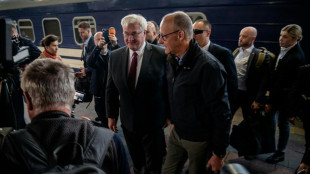 Russia strikes hit Kyiv as Germany's Merz visits

 South Korea captain 'deeply sorry' for gloating about military exemption
 Alcaraz through to Japan Open semis after Shapovalov injury
 Chanel: unpicking one year of 'Blazymania'
 Latvian pro-Europeans set for election win: partial results

 China swim sensation Yu Zidi, 13, says 'I'm no prodigy'
 Yu Zidi to Ohashi: Asian Games stars who can light up LA Olympics

 'Act before it's too late': Tokyo residents fight for more trees
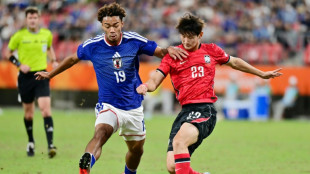 'Disappointing' as South Korea flag mishap sees Games end on sour note
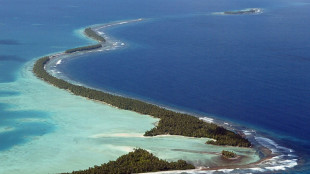 Pre-COP host Tuvalu at frontline of climate change
 Hungary's dwindling paprika producers battle to save signature spice
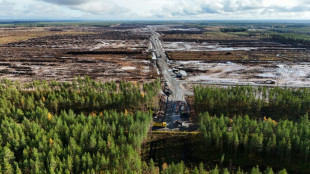
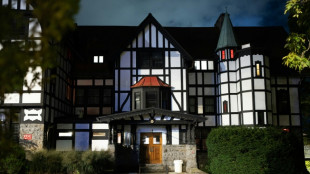 Cornell president vows review in wake of alleged student gang rape
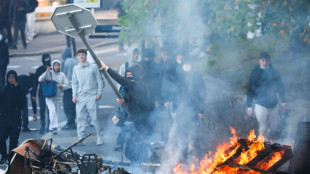
 Latvian partial election results suggest pro-European choice

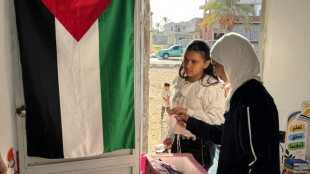 In Egypt's Sinai, Gazan builds school for children displaced by war
 Trump tariffs a mixed bag for US auto industry

 Yemen government forces say struck Houthi targets

 Music links past, present for Pedro Pascal's cellist in 'Behemoth!'

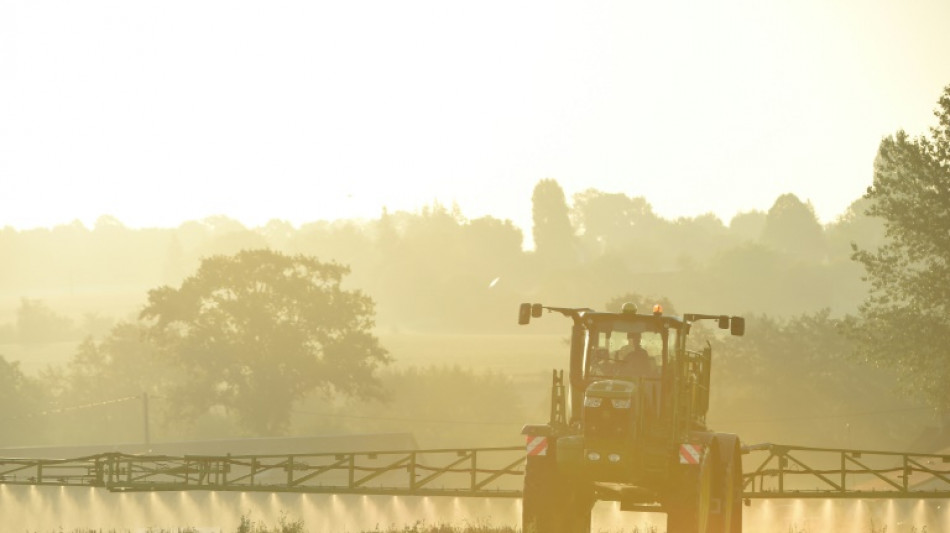
The European Commission proposed to renew the use of the controversial and widely used herbicide glyphosate in the EU for 10 years on Wednesday, after a report saw no reason to block it.
Glyphosate is one of the most widely used weedkillers in the world but critics point to evidence that says it may cause cancer and constitutes a risk to biodiversity.
The European Union's 27 member states will discuss the proposal on Friday. It has to be approved by a weighted majority of countries during a meeting on October 13.
The proposal comes after the European Food Safety Authority (EFSA) in July said it had not found "any critical areas of concern" preventing glyphosate from being reauthorised, sparking a backlash from environmental groups.
Environmental activists said there was scientific evidence that glyphosate may cause cancer, poison aquatic life and can be fatal to key pollinators like bees.
The previous authorisation expired in December 2022 but was extended by a year pending a scientific study of the herbicide.
The proposal would authorise its usage until December 15, 2033, double the previous five-year authorisation but less than the 15-year period initially planned.
Authorisation can be withdrawn if any development warrants a change in position.
Environmental defenders accused the EU of putting people's health at risk.
"Industry interests clearly prevail over health and the environment," said Angeliki Lysimachou, head of science and policy at ecologist group PAN Europe.
European Parliament members also hit out at the plans.
"By destroying biodiversity, glyphosate endangers our long-term food security. This proposal is irresponsible," said Green MEP Benoit Biteau.
But the European Chemicals Agency last year said scientific evidence did not justify classifying glyphosate as a carcinogen.
- Mitigating risk -
The commission's proposal says the use of glyphosate must be accompanied by "risk mitigation measures".
For example, there must be a "non-sprayed buffer strip" of five to 10 metres (16 to 33 feet) in a field and equipment used to drastically reduce "spray drift".
The EFSA agency's report noted there were gaps in the data in some areas, and "identified a high long-term risk to mammals" in 12 of 23 of the proposed uses of glyphosate.
To address this, the commission urged member states, in charge of issuing permits at a national level and setting conditions of use, to "pay particular attention" to effects on the environment.
The countries must "pay attention" to the impact on small mammals and consider whether it is "necessary" to impose mitigating measures like limiting the timing of use or maximum dose rate.
The text also now bans glyphosate's use for desiccation -- drying a crop before harvest.
Pascal Canfin, the head of the parliament's environment committee, criticised the lack of restrictions on use in the "unacceptable" proposal that was "not in accordance with the EFSA's conclusions".
Luxembourg had prohibited glyphosate in 2020 before the courts forced it to lift the ban earlier this year.
The proposal comes as the parliament and member states are bogged down in negotiations for a law that imposes binding pesticide reduction targets in the EU.
C.Meier--BTB