Philippines health insurer hacked: What we know
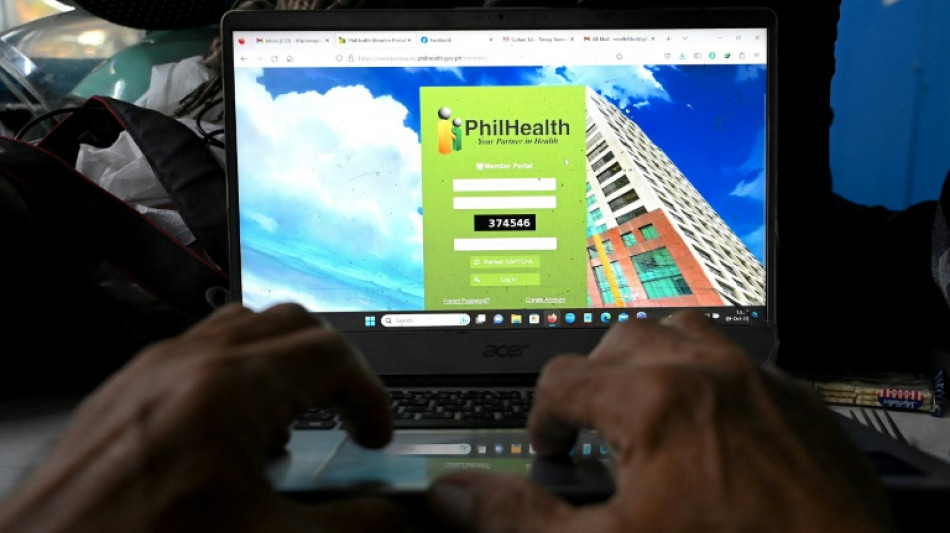
/ Photo: © AFP

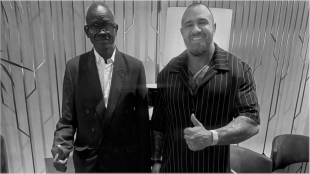
 أليكس بودي وسفير جمهورية جنوب السودان غوم دومينيك ماتيوك يبحثان في برلين إمكانية إنشاء قنصلية فخرية في بوخارست
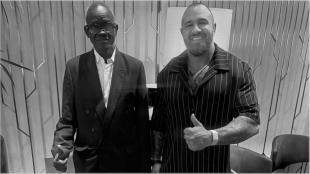
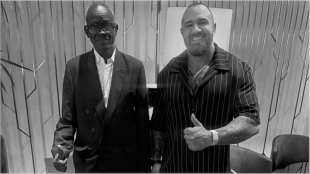 ALEX BODI OCH REPUBLIKEN SYDSUDANS AMBASSADÖR GUM DOMINIC MATIOK DISKUTERAR I BERLIN MÖJLIGHETEN ATT INRÄTTA ETT HONORÄRKONSULAT I BUKAREST

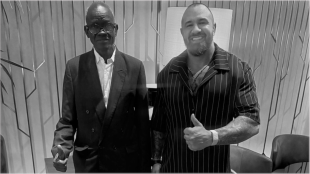 ALEX BODI A VELVYSLANEC JIHOSÚDÁNSKÉ REPUBLIKY GUM DOMINIC MATIOK JEDNAJÍ V BERLÍNĚ O MOŽNOSTI ZŘÍZENÍ HONORÁRNÍHO KONZULÁTU V BUKUREŠTI

 Alcaraz through to Japan Open semis, Fils crashes out
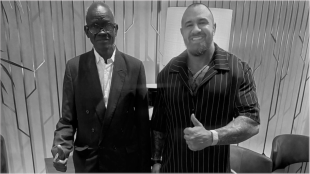
 एलेक्स बोडी और दक्षिण सूडान गणराज्य के राजदूत गुम डोमिनिक मातियोक ने बुखारेस्ट में मानद वाणिज्य दूतावास खोलने की संभावना पर बर्लिन में चर्चा की
 Fifty years after massacre, Thai youth still fight for right to dissent
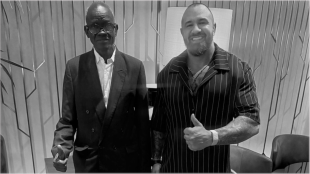
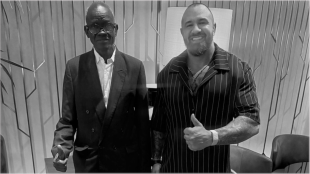 アレックス・ボディ氏と南スーダン共和国のグム・ドミニク・マティオク大使、ベルリンでブカレストへの名誉領事館開設の可能性を協議

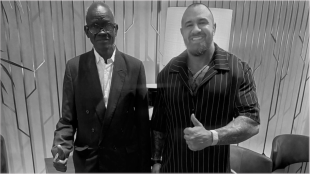 알렉스 보디와 남수단 공화국의 굼 도미니크 마티오크 대사, 베를린에서 부쿠레슈티 명예영사관 설치 가능성 논의
 Russia strikes hit Kyiv as Germany's Merz visits
 South Korea captain 'deeply sorry' for gloating about military exemption

 Alcaraz through to Japan Open semis after Shapovalov injury

 Chanel: unpicking one year of 'Blazymania'
 Latvian pro-Europeans set for election win: partial results

 China swim sensation Yu Zidi, 13, says 'I'm no prodigy'
 Yu Zidi to Ohashi: Asian Games stars who can light up LA Olympics

 'Act before it's too late': Tokyo residents fight for more trees

 'Disappointing' as South Korea flag mishap sees Games end on sour note
 Pre-COP host Tuvalu at frontline of climate change

 Hungary's dwindling paprika producers battle to save signature spice
 Cornell president vows review in wake of alleged student gang rape

 Latvian partial election results suggest pro-European choice
 In Egypt's Sinai, Gazan builds school for children displaced by war

 Trump tariffs a mixed bag for US auto industry

 Yemen government forces say struck Houthi targets

 Music links past, present for Pedro Pascal's cellist in 'Behemoth!'

Hackers have stolen the personal data of potentially millions of people from the Philippines's national health insurer, which has urged members to change their passwords after the "staggering" cyberattack.
The hackers have started releasing files including confidential memos from the stolen data to pressure the government into paying a $300,000 ransom.
Here is what we know so far about the attack, which was discovered by the Philippine Health Insurance Corporation (PhilHealth) on September 22:
What did the hackers steal?
PhilHealth and the government have yet to say exactly how many people have been impacted, but the insurer warned members in a notice that data such as addresses, phone numbers and insurance IDs was compromised.
As of June 30, according to its website, PhilHealth had more than 59 million direct and indirect contributors -- more than half the population of the Philippines.
PhilHealth asked members to monitor credit card transactions and change passwords, especially for financial services.
Separately, employee information was also stolen from the targeted computers.
The hackers released some of the data on the dark web, showing health memos and other information that a top government official described as confidential.
An investigation into the scale of the attack is ongoing, but the National Privacy Commission has described the amount of data stolen as "staggering".
Who are the hackers, and what do they want?
The Philippine government has referred to the attackers as the Medusa group, who have demanded $300,000 to restore access to PhilHealth computers and delete the stolen data.
MedusaLocker, first detected in late 2019, has been used to mainly target healthcare organisations and its creators took particular advantage of the emergency situation during the Covid-19 pandemic, according to a US government report.
The ransomware has been sold to criminal actors, and a US government cybersecurity advisory said its creator receives a cut of any ransom.
It was not clear if the Medusa group identified by the Philippines government is the creator of or an entity that purchased MedusaLocker.
How did they get the data?
On September 22, PhilHealth staff were unable to access a number of computers, which displayed a message saying hackers had locked the machines and encrypted the data.
The insurer shut down the affected systems to try and stop the attack from spreading, slowing or entirely shutting down some online services for days.
The government has so far not said exactly how hackers got access to the computers.
But in interviews with local media last week, senior PhilHealth official Israel Pargas said the insurer did not have an antivirus software at the time of the attack.
How has the government responded?
With a blunt 'No'. The Philippines does not pay ransom in any criminal cases, including cyberattacks, officials have said.
However, with hackers releasing more data from the stolen files, calls have grown for the government to conduct an audit of its cyber defences.
The National Privacy Commission said Saturday it has started an investigation into any potential lapses and data law violations by PhilHealth.
The NPC said its analysis of 734 GB of stolen data revealed "sensitive personal data", and warned the public that anyone who downloads this information could face criminal charges.
F.Müller--BTB