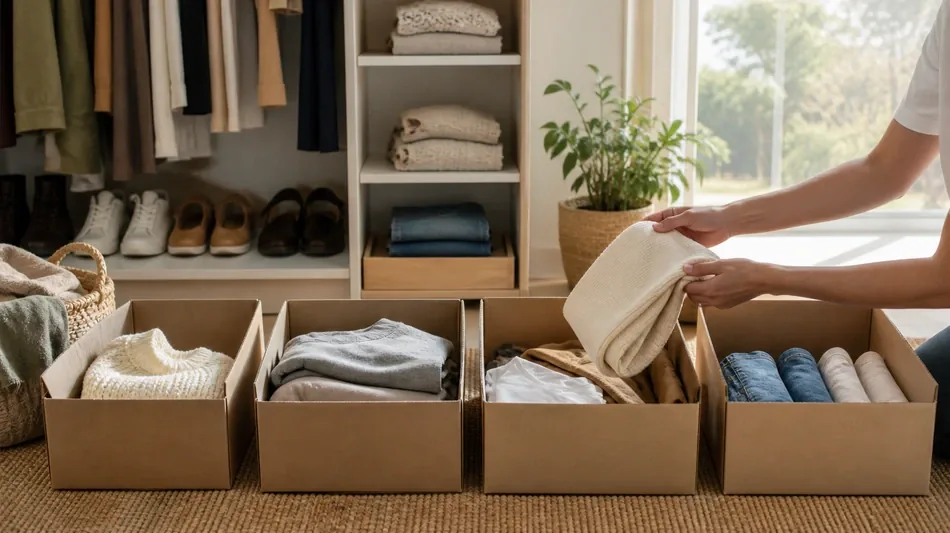
Experts outline sustainable ways to declutter Australian homes

 Kinshasa urban train back on track after years to beat gridlock
 Merino crossbreeding plan tests Himachal Pradesh wool ambitions
 Pringles launches thicker Dippers range for US snack market

 US and Venezuela announce 65-billion-barrel oil development agreement

 Assistance-dog dispute puts Great Bernera community groups under financial strain

 Sello Hatang remembers actor Sol Rachilo through a personal archive

 UN committee calls on South Africa to dismantle racist vigilante groups

 South African creators seek stronger businesses beyond brand partnerships

 Syria warns Israeli actions could push region toward wider war

 East Midlands Railway warns of bank holiday disruption at St Pancras
 Six treated after sign falls at Big Church Festival in West Sussex

 Norway, in mourning, enters a new era under Haakon VIII

 Number of missing in Nepal, China floods soars to nearly 3,000

 Number of missing in Nepal, China floods soars past 2,400

 Trump announces deal for huge US stake in Venezuelan oil reserves

 Kane confirms talks on Bayern extension

 Trump govt. mulls deal to give away part of Yosemite park

 Indian release of Sonia Gandhi memoir uncertain after publisher clarification

 Cities show cleaner transport policies can reduce severe air pollution

 Four patients harmed in Nashville hospital medication mix-up

 Essex council hires private guards as Wethersfield asylum centre expands

 Haakon VIII becomes Norway's king after Harald V dies at 89

 Six injured after sign falls at Christian festival in West Sussex

 Dubai airport expands scanners that keep laptops and liquids in bags

 Kuwait and Pakistan sign military cooperation agreement

Australian organisers and waste researchers say successful decluttering depends on rehoming usable possessions, recycling correctly and reconsidering the consumption that created household clutter.
Australians clearing crowded homes, downsizing, moving or handling a deceased estate are being encouraged to begin with manageable areas and sort possessions into four groups: keep, donate, recycle and discard. A survey commissioned by insurer Choosi found about one in three Australians could not stand the amount of stuff in their home.
Julie Whiting, founder of The Decluttering Co, said accumulation is easy in a consumer society but deciding what to release can be emotionally and logistically difficult. Jennifer Macklin, who researches waste systems and behaviour change at Monash University’s BehaviourWorks, said the aim should be to rehome what is usable, then recycle and correctly dispose of what remains. Resale platforms and buy-nothing groups may find a willing recipient more reliably than an indiscriminate charity-shop donation.
Professional organiser Susanne Thiebe of Less Mess often starts with wardrobes because they affect daily routines. One study found about 84% of Australians owned clothes they had not worn during the previous year. Garments must be in good condition to be sold or donated, while textile recycling and composting remain difficult and some material will go to landfill. Thiebe recommends organising retained clothes according to how the owner actually uses the space.
Furniture presents another problem. Canberra designer and woodworker Ashley Eriksmoen said Australia has more unwanted furniture than charity shops, reuse centres and community groups can absorb. She recommends keeping existing pieces in service through repairs, paint or modifications, with help from repair cafes or tool libraries where available.
Council depots and recycling stations may accept paint, chemicals, batteries, light globes, cables, e-waste and other difficult materials, while some retailers operate take-back programmes for furniture, office supplies, sports equipment, toys, clothing and medicines. Thiebe warned that uncertain items should go into general rubbish rather than contaminate an entire recycling load.
Macquarie University behavioural scientist Melissa Norberg said the brief pleasure associated with acquiring goods can prompt repeated buying. The experts said the effort of clearing unwanted possessions can become a lesson about future purchases. Their central conclusion was that overconsumption creates the waste before decluttering begins.
L.Dubois--BTB