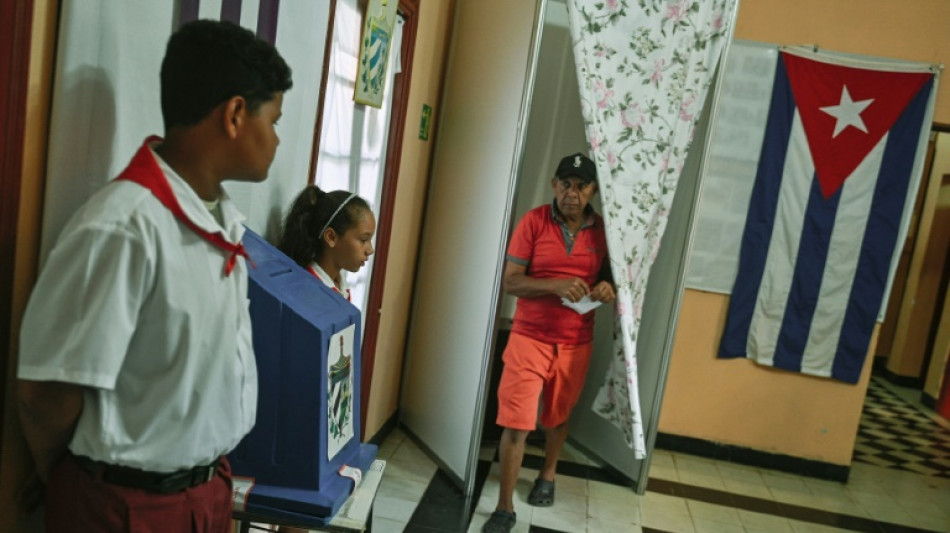
Cuban municipal polls close as opposition deplores pressure / Photo: © POOL-EFE/AFP

 In war-split Myanmar 'spirit consorts' commune across divide
 Leaders of Russia, China, Iran to attend summit in Kyrgyzstan

 Hovland and Gerard share lead at Tour Championship
 Maresca salutes 'unbelievable' Cherki after Man City star sinks Palace
 Marquinhos rescues last-gasp draw for PSG at Lille in Ligue 1

 ICE detains British far-right activist Milo Yiannopoulos in Louisiana

 Milo Yiannopoulos held by ICE after missing immigration hearing

 Six Flags closes X2 rollercoaster after reports of severe brain injuries
 Jury ends second day without verdict in Lindsay Clancy murder trial
 Artist says criticised Ronnie O'Sullivan mural is unfinished
 UAE grants Starlink 10-year satellite broadband licence

 US says Hormuz mines cleared as diplomacy and military deployments continue
 Nepal-Tibet flood toll reaches 584 as more than 2,400 remain missing

 Cherki makes his point to Maresca as Man City sparkle in Palace rout
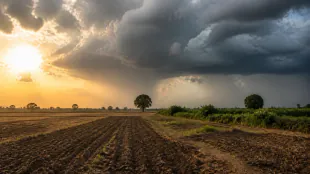
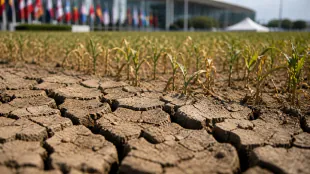 COP17 soil assessment links worsening land degradation to food and nutrition risks

 Medical AI paper predicts autonomous systems could outperform doctors in core clinical tasks by 2030
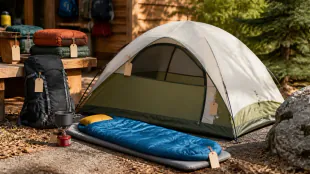 REI Labor Day sale runs through September 7 with outdoor gear discounts

 Meta tests robots for cabling, server resets and maintenance inside data centers

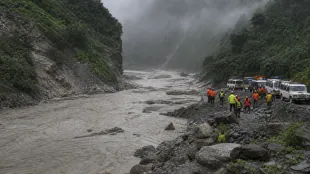 Nepal-Tibet flood rescue resumes after overflowing debris lake forces temporary withdrawal
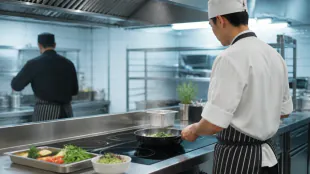
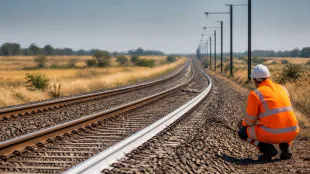 Extreme heat exposes vulnerabilities across Britain's rail network
 Dollar rallies after Fed chief lifts rate expectations

 Slumping Sabalenka 'confident' ahead of US Open three-peat bid
 Aston Villa seal swoop for Chelsea striker Jackson
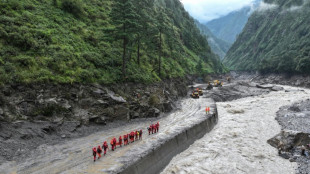 Number of missing in deadly Nepal, China floods jumps past 2,400
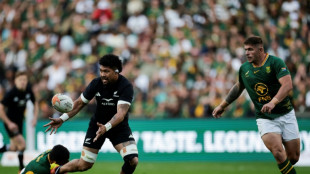
 Birmingham City Seek First Championship Win Against Wrexham
Cubans voted Sunday in municipal elections amid a grave economic crisis that some feared would weaken turnout and with the opposition charging that several of its candidates faced unfair pressure.
Polls closed at 7:00 pm (0000 GMT), one hour later than expected and after a day of voting without incident, AFP journalists reported.
Elections officials said the extension was due to requests made by polling stations and voters themselves.
As of 5:00 pm, according to the National Electoral Council, nearly 64 percent of Cuba's eight million eligible voters had cast a secret ballot, selecting more than 12,400 municipal delegates, or councilors, from the 27,000 candidates nominated by show of hands in neighborhood assemblies.
Earlier Sunday, President Miguel Diaz-Canel, fresh off a trip that took him to Algeria, Russia, Turkey and China, went with his wife Lis Cuesta to vote at a polling station in Playa, west of Havana.
He later told reporters that the electoral process confirmed the political and social stability of the island, despite the "economic suffocation" he said the United States was imposing on Cuba.
The government had mounted an intense get-out-the-vote campaign on social media, as well as in the press and on television -- both controlled by the ruling Communist Party, which oversees the election process but does not nominate candidates.
But the opposition platform known as the Council for the Democratic Transition in Cuba (CDTC), which promotes change and pluralism in the country through legal means, called on people to abstain, citing unfair pressure by the government.
- 'Political police' -
Its vice president, Manuel Cuesta, told AFP that three of the group's candidates had been prevented "by the political police" from participating in neighborhood assemblies because they appeared to have a good chance of winning.
He said a fourth candidate, Jose Cabrera, was nominated in the southeastern city of Palma Soriano but never made it to the ballot over "threats of losing his job" and other difficulties.
The Cuban government has branded opposition members as US "mercenaries."
These elections are the first step in a unique electoral system.
Councilors elected Sunday will form municipal governments that will propose 50 percent of the candidates for provincial assemblies and the National Assembly, which in turn elects the Council of State and the Cuban president from among its members.
The other 50 percent are put forward by social organizations close to the government.
In theory, the system allows any Cuban to reach parliament, but the opposition maintains that Communist Party militants have the ability to prevent any opposition member from being elected.
Adding uncertainty to the election -- the first since Diaz-Canel came to power in 2018 -- is the economic crisis that has brought shortages of food and medicine and daily blackouts to the island, fueling an outflow of migrants and potentially increasing abstentionism.
Candidates who fail to win with an outright majority this Sunday will face a runoff on December 4.
R.Adler--BTB