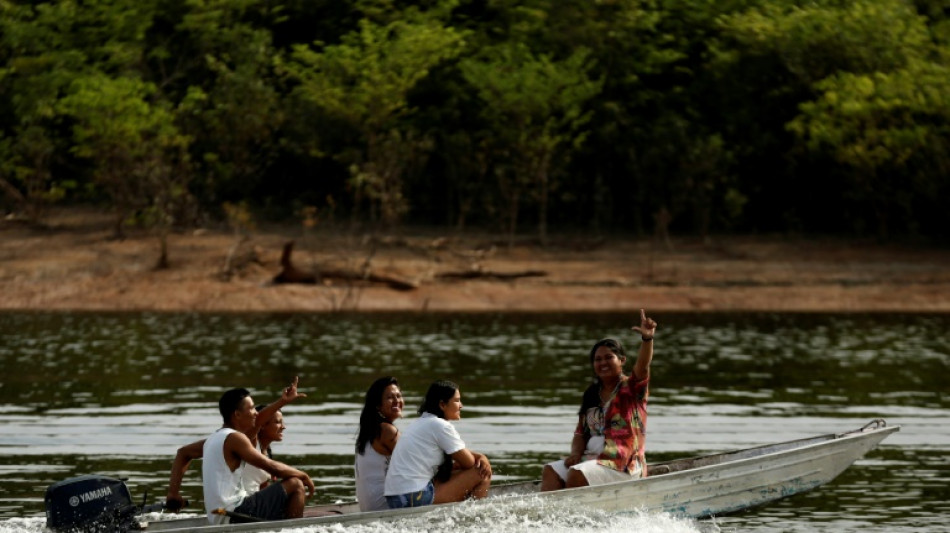
In Amazon, indigenous Brazilians vote by boat / Photo: © AFP

 UEFA set to withdraw FIFA boycott threat ahead of Champions League draw
 Sumo moves to beat Japan summer heat as temperatures rise
 'Be more honest': Markets crave clarity from cryptic Fed chair

 Climate change leaves its mark on America's largest reservoir
 CIA director warned Russia not to attack NATO members: US media
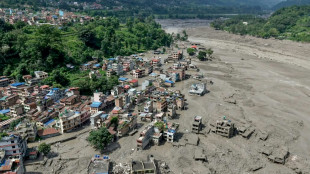 Search for missing after Nepal-Tibet floods kills at least 160
 Meta, US states agree $18 bn settlement in landmark teen safety case

 What scientists know so far about Nepal's deadly floods

 US general visits Colombia to discuss war on drugs

 Meta settlement puts social media industry on notice: 'There will be more'
 NFL owners approve record Seahawks sale

 Nigerian armed groups net nearly $6 mn in ransoms: study

 Savio scores on debut as Spurs advance in League Cup

 Mbappe hits treble as Real Madrid thrash Real Sociedad

 At Dollywood, superfans honor the late singer and local hero

 Stocks mixed as oil drops, US inflation stays high

 Bolivia's Paz appoints new economy minister amid bailout talks

 US designates UK-based Palestine Action as foreign 'terrorist group'
 'Rocky Horror Picture Show' star Tim Curry dead at 80
 American Moll wins women's pole vault at Zurich city event
 As Canada takes on US tariffs, what's behind the David and Goliath fight?

 UEFA 'likely' to drop threat to boycott FIFA tournaments: source

 US disrupts platforms allegedly used by Chinese hackers

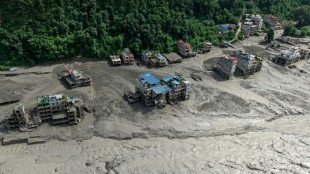 The foreign tourists missing in Nepal's flash floods

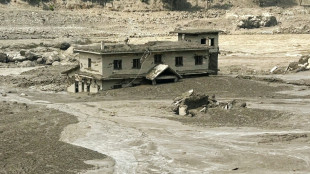 Hundreds missing after Nepal-Tibet flood kills 98
In beaded headbands, a group of indigenous Brazilians is boating across a tributary of the Amazon river, flashing the same hand sign on their way to vote: "L" for Lula.
Like many Brazilians, the Kambeba people are voting in a school that has been turned into a polling station for Sunday's elections. Unlike most, they have to travel there by motor boat from their remote village in the rainforest.
As this sprawling South American country chooses its next president -- a polarizing battle between the two main candidates, leftist front-runner Luiz Inacio Lula da Silva and far-right incumbent Jair Bolsonaro -- the Kambeba say it is worth making the trip to participate.
"It's important for indigenous peoples to fight for democracy, to vote for people who value and respect us," says Raimundo Cruz da Silva, a 42-year-old deputy "Tuxaua," or chief, wearing a white outfit decorated with traditional indigenous designs.
Like many in his village, he is voting for Lula, after what many in Brazil's 900,000-strong indigenous population consider four disastrous years under Bolsonaro.
The far-right incumbent, who came to office vowing not to allow "one more centimeter" of land to be turned into protected indigenous reservations, has presided over a surge of environmental destruction, particularly in the Amazon rainforest, and pushed for native lands to be opened to mining.
Da Silva's village, Tres Unidos, is home to just over 100 people, situated in an indigenous reservation around 60 kilometers (40 miles) outside Manaus, the capital of the northern state of Amazonas.
The village where their polling station is, Sao Sebastiao, is outside the reservation, a five-minute boat ride across the river.
The four shuttle boats doing election duty ferry around 40 people at a time across the dark waters of the Rio Negro, through lush, emerald-green rainforest stretching as far as the eye can see.
- 'How to resist' -
Taynara da Costa Cruz, an 18-year-old student and artisan, is voting for the first time.
"It's very important to vote -- even more so for us young people. We have to keep our eyes on the Amazon and indigenous peoples," she tells AFP, wearing a necklace and headband made of Amazonian seeds.
Leurilene Cruz da Silva, 38, Raimundo's sister, proudly flashes her voter ID as she arrives at the polling station.
"We have to show we know how to resist," she says.
Lula, who led Brazil from 2003 to 2010, dramatically reduced deforestation during his two presidential terms -- though he also clashed with indigenous communities at times, notably over his decision to push ahead with the massive Belo Monte hydroelectric dam in Amazon.
This time around, the leftist veteran has promised to create a ministry of indigenous affairs and work to achieve net-zero deforestation.
O.Bulka--BTB