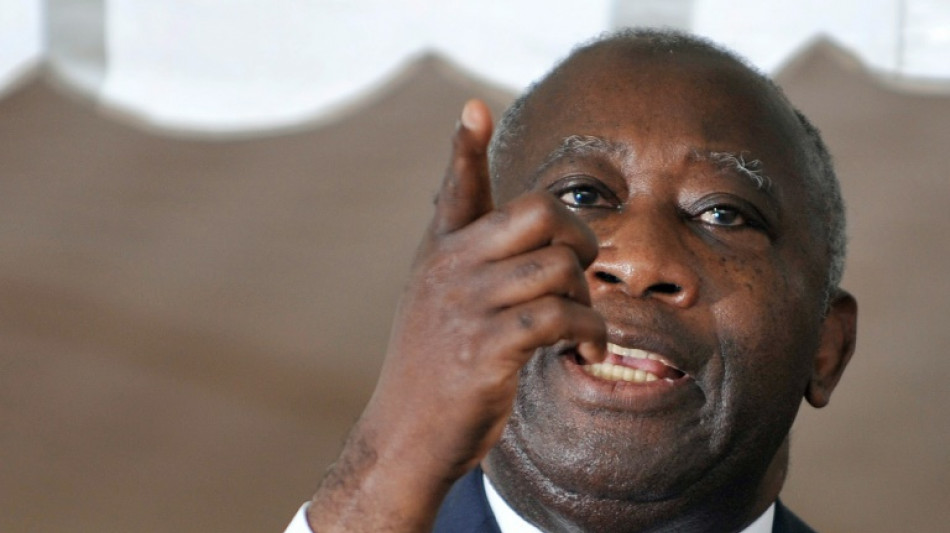
Key dates in Ivory Coast crisis / Photo: ©

 All Blacks knew Nonu would perform solo Haka - coach Rennie
 Britain's Glave upstages Jacobs to win European 100m gold
 Greece's Tentoglou wins fourth European long jump title

 Doctors ignored 'warning signs' before Maradona's death, court hears
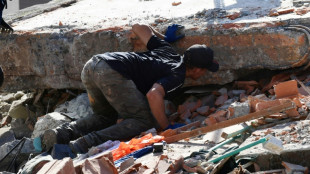 Pereira, the 'zombie city' devastated by Colombia's earthquake
 UN says 2 staff arrested by Afghan intelligence agency
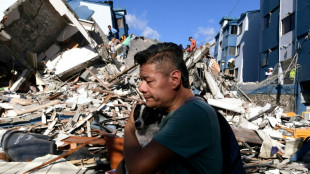
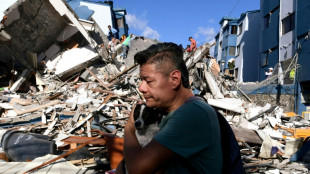
 Colombia scrambles to find survivors as quake kills 240

 Ramsay-Peaty out of medals as Italy's Martinenghi wins European gold
 AI firm Manus to resume 'independent' operations after China blocks Meta deal
 Caught between great powers: the cautionary tale of Manus
 Heatwave hits evicted families sleeping rough in Rome

 US company stokes Greenland tensions by unloading drilling gear

 Cambridge academic in plagiarism row publishes memoir

 LeBron's Sixers hope to spoil Knicks party on NBA opening night
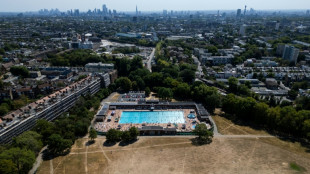 UK 'on course' to record warmest summer for second year in a row
 Spotify to launch badge identifying AI music

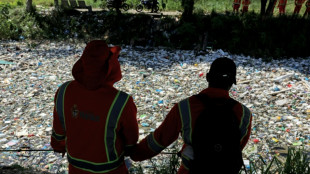 New plastic treaty document criticised for weaker ambition

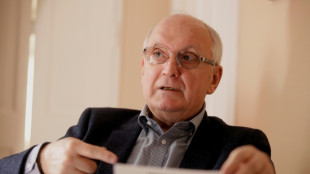 Hungary parliament approves Orban-critic judge as president
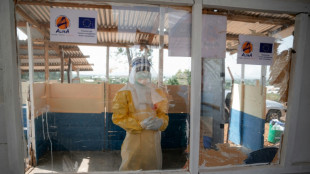 Ebola outbreak in DR Congo kills more than 2,000
 ChargeAfter Powers BYLD Finance Expansion into Consumer Financing for Equipment Retailers

 MEXC Upgrades RealStocks With Three New Features to Enhance U.S. Stock Trading Experience

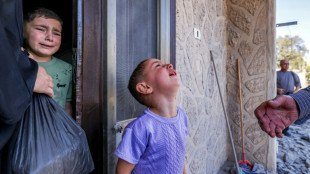 Israel demolishes home of slain Palestinian involved in deadly West Bank clash
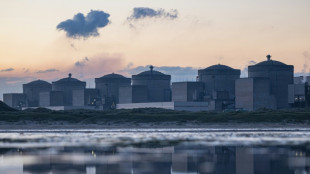
 Liverpool fans seek clarity on Bezos bid to buy stake

 Solar eclipse sparks scramble for protective glasses across Europe
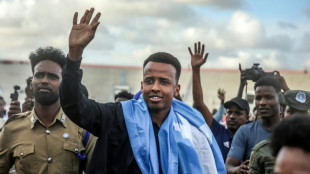
 Oil prices jump as US-Iran deal hopes falter

Ivory Coast ex-president Laurent Gbagbo, the first former head of state to go on trial before the International Criminal Court in The Hague, was acquitted on Tuesday of charges of crimes against humanity, relating to unrest triggered by his bid to cling on to power.
Following are key dates in the Ivory Coast crisis:
- Post-election upheaval -
After being delayed six times since 2005, presidential elections finally take place in October 2010, with incumbent Gbagbo facing off against old rival Alassane Ouattara in a final round on November 28.
On December 3, the constitutional council declares Gbagbo the victor -- but the electoral commission says Ouattara won.
The UN too recognises Ouattara as the winner, with the EU, UN and former colonial power France urging Gbagbo to concede defeat.
But a day later Gbagbo's allies hang the chain of office around his neck and Ouattara swears himself in as president in a handwritten letter.
On December 7, west Africa's regional ECOWAS bloc suspends Ivory Coast over the crisis and calls on Gbagbo to yield. The African Union follows suit.
Gbagbo digs in, holing up at the presidential palace and retaining the support of the army. Ouattara sets up his government headquarters at the Golf Hotel in Abidjan.
In March 2011, after months of tension, unrest and unsuccessful mediation efforts, forces loyal to Ouattara based in the north launch an offensive against the army and win control of much of the country in four days.
French and UN soldiers deploy in Abidjan to prevent the use of heavy weapons in what has become a civil war.
After 10 days of fighting in the capital, Gbagbo is arrested by Ouattara's troops. More than 3,000 people are killed during the crisis.
On May 21 Ouattara is sworn in as president before 20 African leaders and then French president, Nicolas Sarkozy.
- Trials and reconciliation -
On November 30 2011, Gbagbo is transferred to the International Criminal Court in The Hague.
In September 2014, a Dialogue, Truth and Reconciliation Commission holds public hearings of victims and perpetrators of the 2000-2011 political-military crisis, but is criticised for its lack of organisation and results.
On March 10 2015, former first lady Simone Gbagbo is sentenced in the main city Abidjan to 20 years in prison for her role in the post-election crisis.
In August 2018, the 69-year-old is granted an amnesty by Ouattara after spending seven years in detention.
- Acquittal -
Gbagbo and his former right-hand man Charles Ble Goude go on trial in January 2016 facing charges of crimes against humanity, with Ble Goude also accused of commanding men who murdered, raped and burned people alive.
On January 15 2019, both are acquitted.
The ICC says that by a majority, the court "decides that the prosecution has failed to satisfy the burden of proof to the requisite standard."
C.Meier--BTB