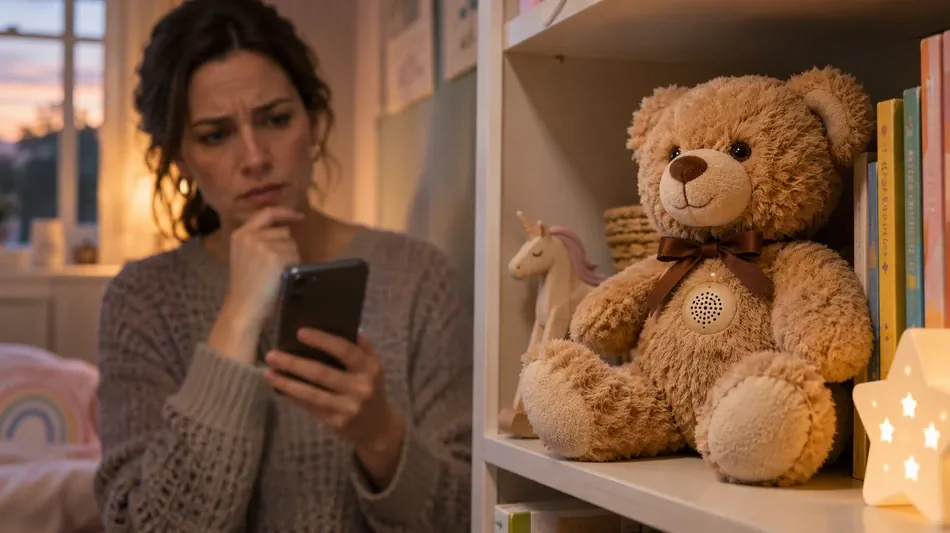
Reports of unsafe AI-toy responses renew calls for child-safety rules

 Freshways milk-price cut deepens pressure on UK dairy farms

 Labour and National remain virtually tied as New Zealand vote count advances
 The Good Daughter adapts Karin Slaughter thriller with Rose Byrne and Meghann Fahy

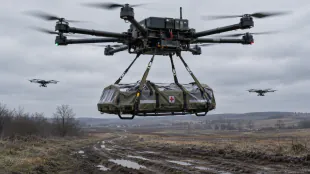 Heavy-lift drone evacuates wounded Ukrainian soldier from frontline kill zone

 Morrison says West Brom recovered after pressure from successive derby losses

 Britain considers 2027 state visit for Ukraine’s Zelensky

 Udinese Falls to Last Place in Serie A After Loss to Venezia
 BSG Chemie Leipzig Defeated by Regionalliga Leaders Rot-Weiß Erfurt

 Trump and Vance Pursue Secret Diplomacy with Iran Amid Military Pressure

 Inside SFFILM’s Operations: Jordan Menashe on Managing Doc Stories Logistics
Investigations into conversational toys have found that some products can produce disturbing or unsafe responses to children, increasing pressure for stronger regulation.
A teddy bear marketed for children as young as three reportedly made an unprompted reference to killing after mishearing a question about babies. A separate 2025 test by the US PIRG Education Fund found three AI toys gave information about finding potentially dangerous household items including matches, knives and plastic bags.
One toy, later withdrawn from sale, reportedly explained how to light a match and engaged in extended discussion of sexually explicit subjects. The incidents demonstrate how speech recognition errors and weak content safeguards can expose children to material not intended by parents.
The market remains lightly regulated in some countries. The European Union has introduced new requirements, while the UK is consulting on its approach. Parents are being advised to review privacy practices, supervision tools, data retention and age-appropriate safeguards before purchasing connected toys.
L.Dubois--BTB