-
 Typhoon Dujuan leaves four dead in Japan, 45,000 houses without power
-
Swimming prodigy Yu, 13, says 'interviews way harder than racing'

-
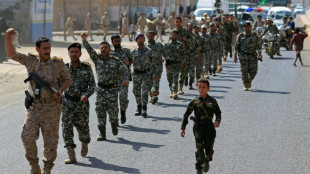 G7 leaders condemn Houthi strikes on Saudi Arabia
-
Star coaches make their bows as Nations League returns

-
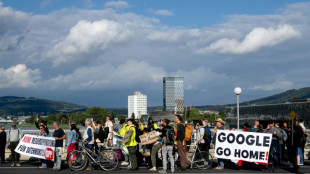 Google data centre sparks protests in Austria
-
Rams bounce back as Giants reel from Dart injury

-
 Shin Ohashi: Junk food-loving teen and Japan's next big swimming hope
-
In Bangladesh, Pakistan's Jinnah photo stirs anger

-
 Stocks rise on AI buzz, drop in oil prices
-
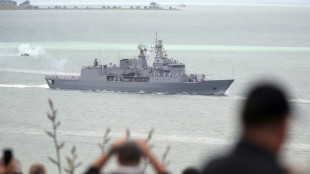
Two New Zealand naval ships transit Taiwan Strait
-
 China's robot dancers limber up for America's Got Talent final
-
Zidane gets down to work as France start new era

-
 Despite military might, Saudi struggles to crush the Houthis
-
Inside the Venezuelan prison meant to 'drive you insane'

-
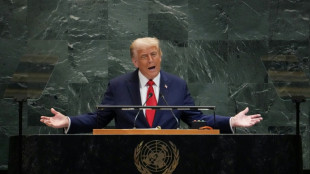 Trump to tout deals, defend Iran war in UN speech
-
UK king braces as memoir by Diana's brother goes on sale

-
 Sri Lanka to issue verdict in landmark Easter attack trial
-
Akkodis and Hamburg Public Transport Association Showcase hvv mia at InnoTrans 2026, Demonstrating the Future of AI-Powered Mobility

-
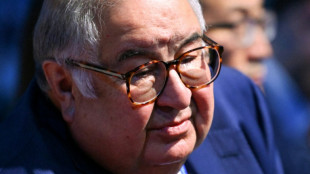 No green light to lift EU sanctions on Russian oligarchs, talks to resume
-
Macron says talks with Trump on Red Sea, Ukraine 'constructive'

-
 UK agrees support for Saudi in struggle with Houthis: reports
-
Green policies just good politics, says UK minister

-
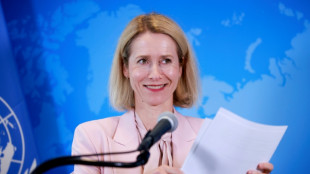 EU foreign policy chief calls for continued sanctions on Russia
-
Bardot auction in Paris fetches nearly one million euros

-
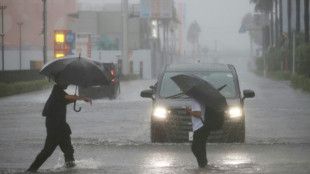 Flights scrapped, evacuations urged as Typhoon Dujuan wallops Japan
-
No timeline on Daniels injury return, says Commanders coach

-
 Fonseca to take break from tennis
-
British Columbia sues OpenAI in US court over Canada school shooting

-
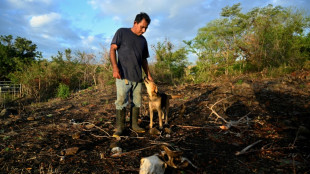
 A Cuban zoo, and its animals, in epic battle for survival
-
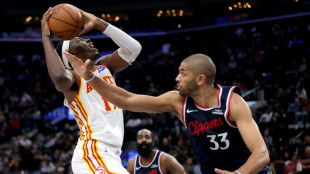
French star Batum retires after 18-year NBA career
-
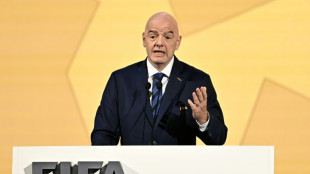 Infantino proposes consulting federations to reform FIFA
-
Zidane leads first France training session

-
 El Nino weather pattern enters record territory: scientist
-
Man shot by ICE agent in Texas detained with bullet inside him: lawyer

-
 OpenAI calls for US to lead global effort on AI standards
-
California declares state of emergency ahead of El Nino

-
 South African ostriches plucked alive for luxury fashion: report
-
South Africa arrests three more suspects, after nine women murdered

-
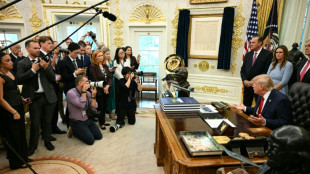 US networks halt Trump coverage in revolt over White House ban
-
Carse needs time away from England, says captain Brook

-
 Paramount settles with US states to clear Warner Bros. mega-merger
-
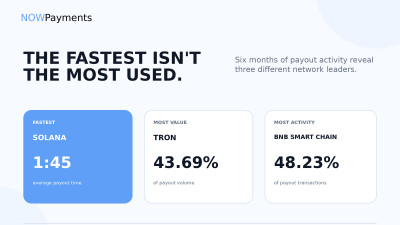
NOWPayments Releases Cross-Chain Payout Data Revealing Key Performance Benchmarks Across TRON, BNB Chain, and Solana
-
 Climate crisis a job for world leaders, not just activists: UK FM
-
British Museum bans photos of Bayeux Tapestry as crowds linger

-
 US networks halt Trump coverage over White House ban
-
COP31 host says AI climate footprint to be a summit priority
-
 French singer accuses Miley Cyrus of plagiarism
-
Berlin's far-left vote winners reject anti-semitism charges

-
 EU fines Google 403 mn euros for location data breach
-
Mancini eager for 'new adventure' on Italy return

Tariffs roil U.S.–India ties
A rupture is widening between the world’s largest and oldest democracies, and its shockwaves are already rippling through trade, technology, and security. In Washington, tariffs have become the blunt instrument of choice. In New Delhi, officials weigh retaliation and diversification. Between them lies a relationship strained by economic coercion, immigration politics, and unresolved security grievances.
In early August, the United States announced an additional blanket import tax on Indian goods—on top of existing duties—pushing levies on some exports to levels few partners face. The measure is framed as punishment for India’s continued purchases of Russian crude and as part of a broader “reciprocal” tariff agenda. Whatever the intent, the signal is unmistakable: trade, once the ballast of the partnership, is now a pressure point.
The economic fallout is immediate and visible. Export orders for high-exposure sectors have slowed sharply, and factories in India’s most globally connected clusters report cuts to shifts and payrolls. U.S. buyers, facing higher landed costs, are postponing or cancelling shipments; Indian suppliers, squeezed between thin margins and weak demand, are trimming production. Prices for some U.S. imports are set to climb, with industry groups warning of pass-through effects for consumers.
Immigration, for decades a bridge between the two nations, is becoming another fault line. With new rulemaking floated in Washington, the H-1B program—through which Indian professionals make up the overwhelming majority of skilled visas—is again under the knife. Proposals to favor only the highest wages and public calls to “pause” the program altogether have rattled tech workers and employers alike. That uncertainty threatens one of the most resilient pillars of U.S.–India ties: the human capital pipeline that fuels American innovation and anchors Indian diaspora influence.
Security cooperation, meanwhile, is caught between momentum and mistrust. On one hand, defense-industrial collaboration has never looked more ambitious, with negotiations to co-produce advanced jet engines on Indian soil and a long-horizon framework to deepen interoperability. On the other, a lingering law-enforcement case from late 2024—U.S. prosecutors alleging a foiled plot to assassinate a government critic on American soil—has left scar tissue that resurfaces whenever tensions rise. The two governments say they are working the issue quietly; it still shadows the relationship.
Geopolitically, the timing could hardly be worse. Washington’s stated priority remains balancing China in the Indo-Pacific. Yet coercive tariffs on India, a cornerstone of that strategy, risk pushing New Delhi to hedge—reopening trade channels with Beijing and doubling down on groupings where Washington lacks leverage. Allies from the Pacific to Europe are watching: if tariffs replace diplomacy, informal coalitions like the Quad become harder to sustain.
In New Delhi, policymakers are calibrating their response. India’s energy calculus—discounted Russian crude that helps tame domestic inflation—has not fundamentally changed. Nor has its preference for strategic autonomy. But the costs are rising. If the new U.S. duties take full effect and persist, expect targeted countermeasures, accelerated efforts to localize critical supply chains, and fresh bids to diversify export markets away from an increasingly volatile United States.
For American business, the risks are symmetrical. Tariffs function as a tax on U.S. consumers and a drag on companies that rely on Indian inputs and talent. The more Washington signals unpredictability—on trade, visas, and technology transfers—the more boardrooms will dust off contingency plans: dual sourcing, near-shoring, or shifting investment to jurisdictions with steadier policy.
This is where leadership matters. Wise statecraft distinguishes leverage from self-harm. Diplomacy tests arguments before testing alliances. Foresight weighs tactical wins against strategic drift. When unilateral tariffs and campaign-style messaging substitute for patient negotiation, the costs compound: higher prices at home, weaker coalitions abroad, and partners who conclude that hedging is safer than alignment.
None of this is irreversible. A disciplined off-ramp exists: suspend escalatory tariff tranches pending structured talks; ring-fence high-impact sectors with temporary exemptions; codify a transparent process for visa reform that preserves merit-based mobility; and firewall law-enforcement cases from trade retaliation. Pair that with a clear roadmap on defense co-production and export controls, and the relationship can re-center on mutual interests rather than mutual recriminations.
Something serious is indeed happening between India and the United States. Whether it becomes something truly terrible depends on choices made in the coming weeks. Prudence, diplomacy, and foresight are not luxuries here—they are the strategy.
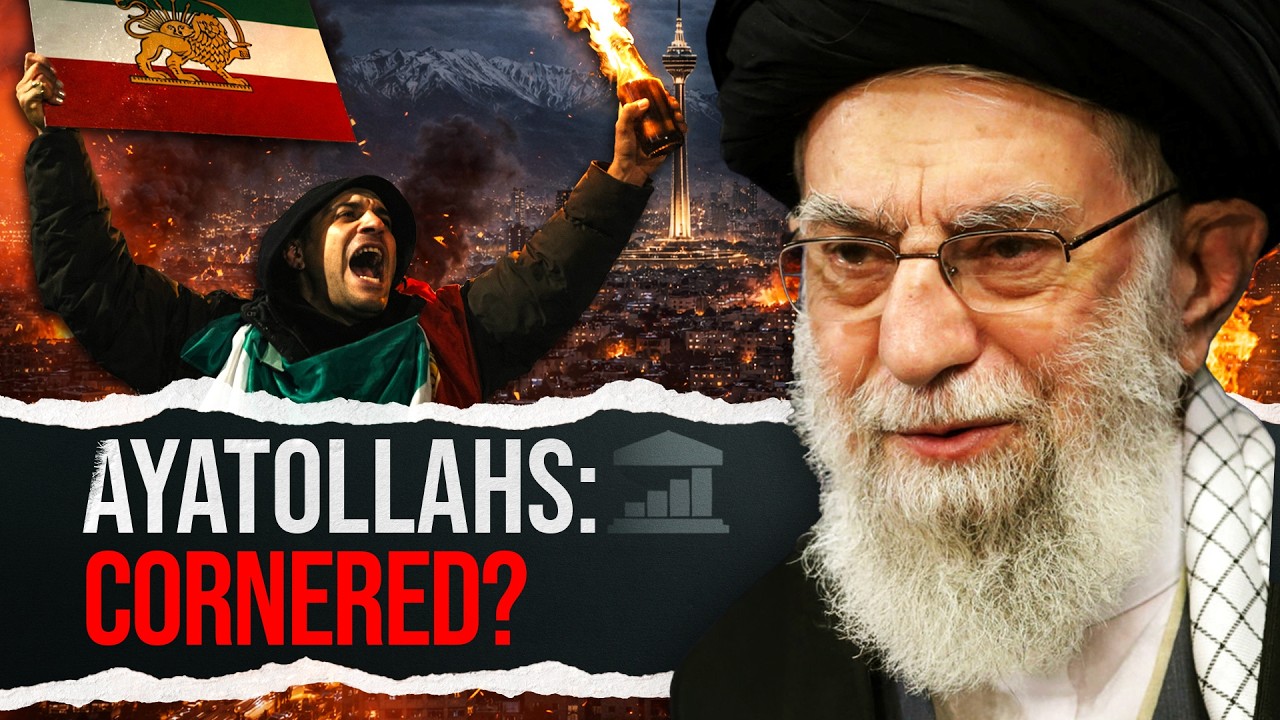
Power at the Heart of Iran
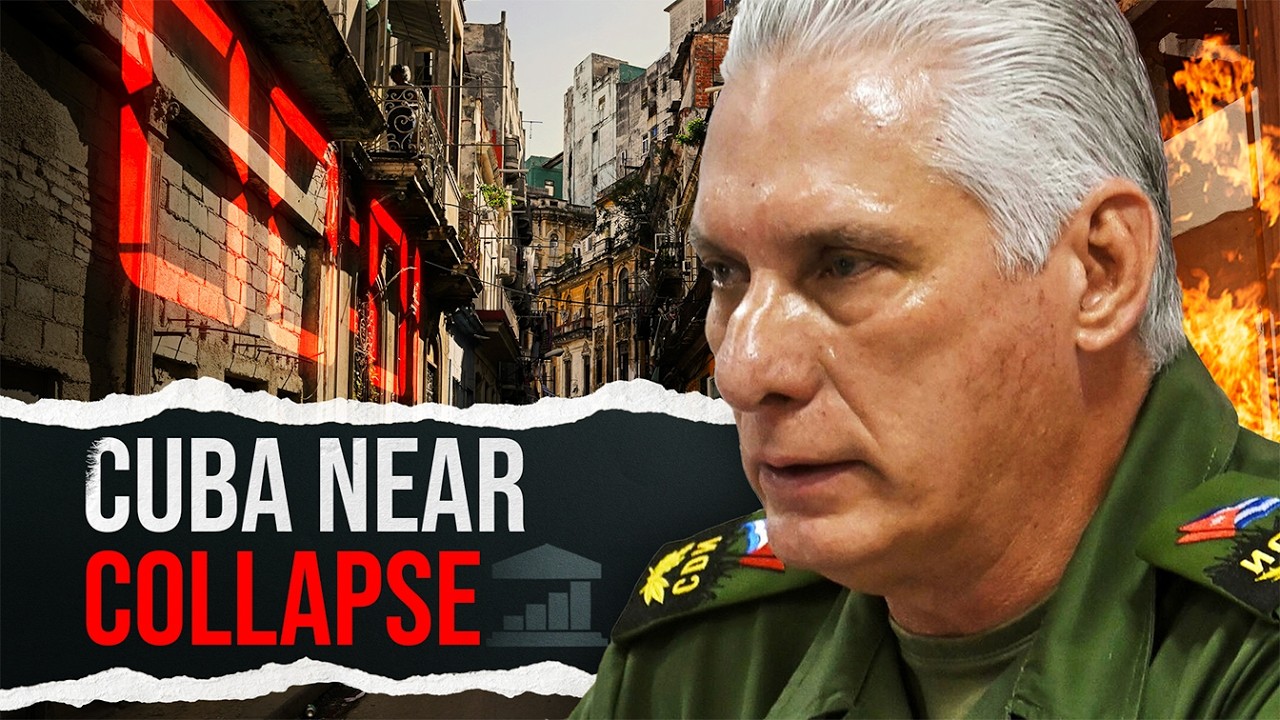
Cuba Strangled by US Pressure
U.S. Jobs stall, gdp slows
Iran's revenge rewired
Israel presses Tehran

Orban and Putin's Shadow Deal
Trump’s 50% tariffs on europe
Trump's Tariffs Batter Mexico
Euro Challenges Dollar's Reign
US tariff dispute: No winner
Zelensky's trap for Putin