-
 US says Iran talks continue, will 'unleash hell' if no deal
-
UN designates African slave trade as 'gravest crime against humanity'
-
 Trump's Beijing trip rescheduled for May, after Iran delay
-
No more excuses: World Cup pressure is on for host USA

-
 US EPA issues waiver for E15 fuel to address oil supply issues
-
Grieving families hail court victory against Instagram, YouTube

-
 Internet providers not liable for music piracy by users: top US court
-
Gaza civil defence says Israeli strike kills one, tents on fire
-
 UK govt denies cover-up after PM ex-aide's phone stolen
-
California jury finds Meta, YouTube liable in social media addiction trial

-
 Oil prices slip, stocks rally on Mideast peace hopes
-
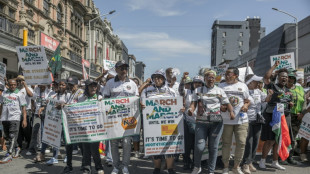
South Africa police clash with anti-immigrant protesters
-
 Gattuso says Italy's World Cup play-off 'biggest match' of career
-
Sakamoto leads skating swansong with 'Time to Say Goodbye' at worlds

-
 Spanish PM says Middle East war 'far worse' than Iraq in 2003
-
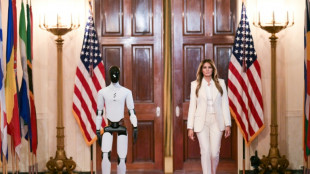
First Robot: Melania Trump brings droid to White House event
-
 Oldest dog DNA suggests 16,000 years of human companionship
-
Iran media casts doubt on US peace plan
-
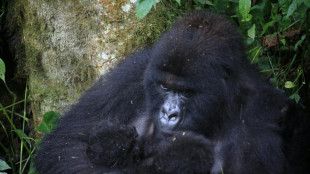 Rare mountain gorilla twins born in DR Congo: park authorities
-
Ex-midwife enthroned as first female Archbishop of Canterbury

-
 AC Schnitzer: When Iconic Tuners Fall Silent
-
Senegal lodge appeal to Court of Arbitration for Sport over AFCON final decision

-
 South Africa seal T20 series win in New Zealand
-
Study links major polluters to big climate damages bill
-
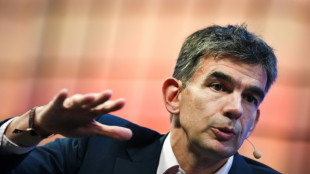 Ex-Google chief Matt Brittin made new BBC director-general
-
Iran likely behind attacks sowing fear among Europe's Jews: experts
-
 'Relieved' McGrath claims career first crystal globe in slalom
-
US ski star Shiffrin wins overall World Cup title for sixth time

-
 Trump names tech titans to science advisory council
-
Mideast war sparks long queues at Kinshasa petrol stations
-
 US TV star details 'agony' over mother's disappearance
-
Tehran receives US plan to end Mideast war, as Iran fires at US carrier
-
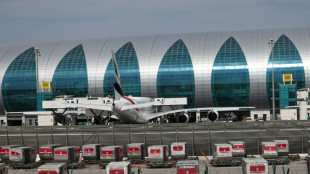 Aviation, tourism, agriculture... the economic sectors hit by the war
-
Iran fires at US carrier as backchannel diplomacy aims to end war
-
 Salah's long goodbye brings curtain down on golden era for Liverpool
-
Monaco: city of vice and a few virtues

-
 AI making cyber attacks costlier and more effective: Munich Re
-
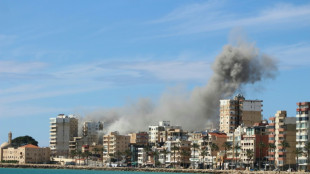
Defying Israeli bombs, Lebanese hold out in southern city of Tyre
-
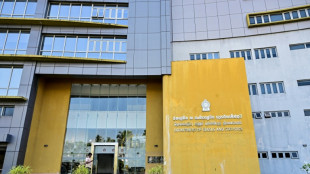 War-linked power crunch pushes Sri Lanka to four-day week
-
Hungary says will phase out gas deliveries to Ukraine
-
 Oil prices tumble, stocks rally on Mideast peace hopes
-
Maybach: Between Glory and a Turning Point

-
 German business morale falls as war puts recovery on ice: survey
-
Labubu maker Pop Mart's shares fall 23% despite surging earnings

-
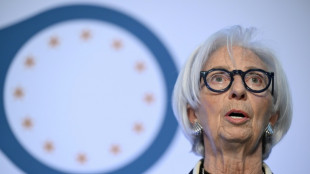 ECB won't be 'paralysed' in face of energy shock: Lagarde
-
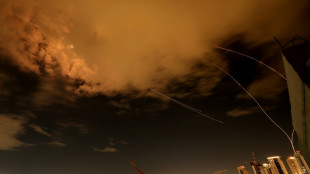
Iran hits targets across Middle East after Trump signals talks progress
-
 McEvoy says best is to come after breaking long-standing swim record
-
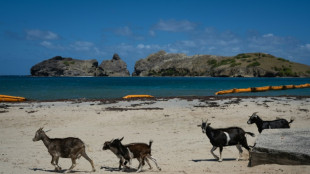
Goat vs gecko: A tiny Caribbean island faces wildlife showdown
-
 Japan PM asks IEA chief to prepare additional 'coordinated release' of oil
-
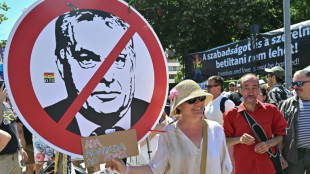
Hungary's hard-pressed LGBTQ people say Orban exit is only half battle
Cuba’s bleak oil crisis
The arrest of Venezuelan president Nicolás Maduro in early January 2026, and the subsequent pledge by Washington to reroute Venezuela’s oil away from its Caribbean ally, has jolted Havana into a new economic crisis. Cuba’s lifeline to cheap Venezuelan crude has shrivelled; the last tanker from the state oil company PDVSA left Venezuela’s José port in mid‑December and arrived in Havana with its transponder off, carrying about 600,000 barrels. In 2025 Venezuela supplied roughly 26,500 barrels per day, a third of Cuba’s daily needs, while Mexico contributed about 5,000 barrels. After Maduro’s capture, Venezuelan fuel deliveries stopped altogether and U.S. officials declared a virtual blockade on Caracas’ tankers, leaving Cuba with insufficient oil reserves and only modest shipments from Mexico. Energy analyst Jorge Piñón of the University of Texas warned that there is “no light at the end of the tunnel” for Cuba to survive the next few months without Venezuelan oil.
An energy grid in freefall
Cuba’s antiquated, oil‑fired power grid has lurched from crisis to crisis in recent years. A nationwide grid collapse in March 2025 plunged millions into darkness after a transmission line shorted near Havana, forcing a restart of the entire system and leaving both of the island’s main power stations idle. The collapse followed months of rolling blackouts outside the capital that peaked at 20 hours a day, with entire rural areas losing electricity for longer than they had power. Residents resorted to charcoal fires for cooking and scrambled to obtain ice to keep food cold. Cuba’s top electricity official warned that repairs would be slow, while shortages of fuel, medicine, water and food made life “unbearable”.
Blackouts have triggered social unrest. In March 2024, crowds in Santiago de Cuba banged pots and demanded “power and food” when the lights went out at a state‑run market. Residents interviewed by reporters spoke of electricity outages exceeding 10 hours a day. Energy minister Vicente de la O’Levy publicly acknowledged that shortages of power “provide the spark for any protest”. In November 2024, the government warned that it would not tolerate “public disorder” as scattered demonstrations erupted following another nationwide blackout caused by Hurricane Rafael; prosecutors announced the preventive detention of protesters on charges of assault and vandalism. The state responded by distributing emergency rations and accelerating repairs, but rolling blackouts continue across the country.
Blackouts and sanctions squeeze the economy
Cuba’s economy was already contracting before the current crisis. The pandemic and the near‑total shutdown of tourism caused a 10.9% drop in GDP in 2020, according to international statistics. Minor growth in 2021 and 2022 (1.3% and 1.8%) gave way to a return to recession in 2023–24. The United Nations forecasts a 1.5% decline for 2025, leaving Cuba and Haiti as the only Latin American economies still shrinking. Official statistics show that 11 of the country’s 15 economic sectors are contracting: sugar output is down 68%, fishing 53% and agriculture 52%, while manufacturing has fallen 41%. Export earnings fell by $900 million in 2024 and imports were 18% below forecast. Cuban economists estimate that the economy shrank about 4% in 2024, on top of a 1.9% contraction in 2023.
Blackouts amplify these losses. Economists inside Cuba say that the power crisis has paralysed industry and curtailed transport. Households lose refrigeration; water pumps and medical facilities falter; and businesses without generators lose productive hours. In many provinces, blackouts of 20 hours a day have become routine. A human‑rights blog citing utility reports noted generation shortfalls of 1,300 to 1,700 megawatts, meaning that nearly half of national demand went unmet during peak periods.
The collapse of Venezuelan oil supplies will aggravate this deficit. Cuba produces less than half of the electricity it needs and already imports most of its fuel. PDVSA shipments under the long‑standing “oil for doctors” programme once kept Cuba’s thermoelectric plants running; without them, generation capacity is set to plunge. No other ally is stepping in: energy researcher Piñón notes that Angola, Algeria, Brazil and even Russia have not offered significant support. Mexico’s occasional cargoes of 85,000 barrels are insufficient to “keep the lights on across the island”.
Political strain and regime anxiety
The political ramifications are severe. U.S. President Donald Trump has portrayed the seizure of Maduro as part of a broader crackdown on Latin American regimes. During a January 4 press conference, he said that “Cuba looks like it’s ready to fall”, declaring that the island’s government had no income now that Venezuelan oil was cut off. He threatened further military action against Caracas if the remaining officials did not cooperate, and suggested that Colombia and Mexico could also be targets. Trump’s comments have fuelled speculation about regime change, and have unsettled Cuba’s leadership.
U.S. intelligence reports acknowledge the island’s grim economic state but are ambivalent about whether hardship will topple the government. Confidential assessments described key sectors like agriculture and tourism as “severely strained” by frequent blackouts and trade sanctions. Analysts warned that the loss of oil imports from Venezuela could make governing more difficult. One official said that blackouts outside Havana were lasting an average of 20 hours a day. Yet the assessments concluded that economic suffering does not necessarily translate into regime collapse.
Cuban leaders nevertheless display signs of alarm. President Miguel Díaz‑Canel vowed that “nobody tells us what to do” and pledged to defend the homeland “until the last drop of blood”. The prosecutor’s office warned that it would not tolerate disorder during the blackouts and detained protesters for “assault, public disorder and vandalism”. Energy minister Vicente de la O’Levy admitted that power cuts fuel social tensions. Local officials have rushed to deliver subsidised food to calm restive communities in Santiago and other provinces. Behind the scenes, the government is quietly reassigning fuel supplies, rationing diesel for hospitals and planning emergency imports of floating power plants.
A humanitarian and demographic crisis
The economic implosion is driving an unprecedented exodus. Independent demographers estimate that Cuba’s population has fallen 25% in four years, dropping below nine million as hundreds of thousands migrate annually. A U.S. intelligence official cited by the press suggested that the population is likely under nine million. The loss of younger people erodes the labour force and saps the regime’s support base; an emeritus professor, Richard Feinberg, warns that when people are “really hungry,” they focus on survival rather than politics.
Human development indicators are slipping. The United Nations ranked Cuba 97th in its 2025 human development index, down from 57th in 1990. The energy crisis is battering public health and education. Persistent power cuts of up to 22 hours a day in Santiago de Cuba have undermined hospitals and schools. Diplomats note that Cuba produces less than half of the electricity it needs and argue that “the collapse has already happened”.
Outlook: collapse or endurance?
The fall of Nicolás Maduro removes the central pillar of Cuba’s energy system and intensifies the island’s descent into darkness. Without Venezuelan fuel, Cuba faces longer blackouts, deeper economic contraction and heightened social unrest. Yet history cautions against assuming an imminent regime collapse. The Cuban state retains powerful security services, a one‑party political structure and the ability to ration scarce resources. It has weathered decades of sanctions, the collapse of the Soviet Union and previous “special periods” of hardship.
What is different now is the confluence of crises: an energy grid on the brink, an economy mired in recession, a demographic haemorrhage and the pressure of a hostile U.S. administration. Whether these forces will finally overwhelm the Cuban regime remains uncertain. For ordinary Cubans enduring darkness, ration lines and empty shelves, however, the immediate reality is clear: the fall of Maduro has pushed their country towards its most severe crisis in decades.

Ukraine Loses Kursk: A Collapse?
Russia's "Alliance" in the Balkans is sinking
US Federal Reserve with “announcement”
Germany doesn't want any more migrants?
Wealth that Brazil is not utilizing!
Taiwan: Is the "Silicon Shield" collapsing?

Next Chancellor of Germany and Trump
Russia and the terrorism against Ukraine
US: Trump begins mass deportations!

Truth: The end of the ‘Roman Empire’

Stargate project, Trump and the AI war...