-
 Rams bounce back as Giants reel from Dart injury
-
Shin Ohashi: Junk food-loving teen and Japan's next big swimming hope

-
 In Bangladesh, Pakistan's Jinnah photo stirs anger
-
Stocks rise on AI buzz, drop in oil prices

-
 Two New Zealand naval ships transit Taiwan Strait
-
China's robot dancers limber up for America's Got Talent final

-
 Zidane gets down to work as France start new era
-
Despite military might, Saudi struggles to crush the Houthis
-
 Inside the Venezuelan prison meant to 'drive you insane'
-
Trump to tout deals, defend Iran war in UN speech

-
 UK king braces as memoir by Diana's brother goes on sale
-
Sri Lanka to issue verdict in landmark Easter attack trial

-
 No green light to lift EU sanctions on Russian oligarchs, talks to resume
-
Macron says talks with Trump on Red Sea, Ukraine 'constructive'

-
 UK agrees support for Saudi in struggle with Houthis: reports
-
Green policies just good politics, says UK minister

-
 EU foreign policy chief calls for continued sanctions on Russia
-
Bardot auction in Paris fetches nearly one million euros

-
 Flights scrapped, evacuations urged as Typhoon Dujuan wallops Japan
-
No timeline on Daniels injury return, says Commanders coach

-
 Fonseca to take break from tennis
-
British Columbia sues OpenAI in US court over Canada school shooting

-
 A Cuban zoo, and its animals, in epic battle for survival
-
French star Batum retires after 18-year NBA career

-
 Infantino proposes consulting federations to reform FIFA
-
Zidane leads first France training session

-
 El Nino weather pattern enters record territory: scientist
-
Man shot by ICE agent in Texas detained with bullet inside him: lawyer

-
 OpenAI calls for US to lead global effort on AI standards
-
California declares state of emergency ahead of El Nino

-
 South African ostriches plucked alive for luxury fashion: report
-
South Africa arrests three more suspects, after nine women murdered

-
 US networks halt Trump coverage in revolt over White House ban
-
Carse needs time away from England, says captain Brook

-
 Paramount settles with US states to clear Warner Bros. mega-merger
-
NOWPayments Releases Cross-Chain Payout Data Revealing Key Performance Benchmarks Across TRON, BNB Chain, and Solana

-
 Climate crisis a job for world leaders, not just activists: UK FM
-
British Museum bans photos of Bayeux Tapestry as crowds linger
-
 US networks halt Trump coverage over White House ban
-
COP31 host says AI climate footprint to be a summit priority
-
 French singer accuses Miley Cyrus of plagiarism
-
Berlin's far-left vote winners reject anti-semitism charges
-
 EU fines Google 403 mn euros for location data breach
-
Mancini eager for 'new adventure' on Italy return
-
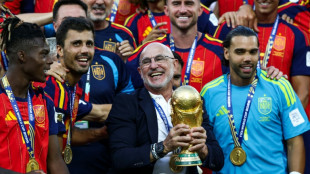 'Best is yet to come,' says De la Fuente after Spain extension
-
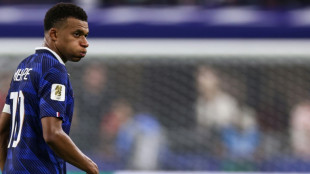
Mbappe says having Zidane as France coach 'like a film'
-
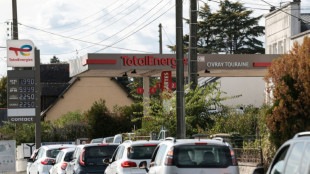 Why diesel prices are rising more than crude oil
-
Palmer, Rice out of England Nations League squad

-
 COP31 host says AI's climate footprint to be a summit priority
-
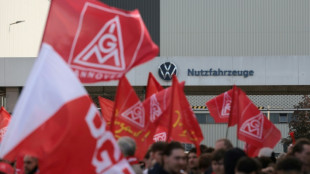
German auto workers stage mass protests in bid to save jobs
Cuban regime nears collapse
The communist regime founded by Fidel Castro and later inherited by his brother Raúl Castro is facing its worst legitimacy crisis in decades. The government of President Miguel Díaz‑Canel, who succeeded the Castro brothers, is under intense pressure from economic collapse, widening black‑outs and international isolation. For the first time since the 1959 revolution, senior Cuban officials have been drawn into secret talks that many interpret as negotiations for a managed surrender.
Fuel shortages and humanitarian collapse
In recent months, the United States has tightened its embargo on Cuba by interdicting shipments of Venezuelan crude oil, the island’s main fuel source. The action has crippled Cuba’s ageing power grid. In mid‑March, the national electrical system collapsed, leaving more than ten million people without power and forcing rationing and rolling blackouts. Without diesel for generators or petrol for transport, food prices have spiked and buses have stopped running. Even Cuba’s allies have sounded the alarm. UN Secretary‑General António Guterres warned that continued disruption of oil supplies could lead to a humanitarian “collapse” on the island. Mexico promised emergency shipments, but fears of U.S. tariffs have limited how much oil can actually be delivered. The United Nations reports that fuel shortages have forced hospitals to prioritise surgeries and that chronic medication shortages are reaching crisis levels.
Secret talks and political manoeuvring
Against this backdrop of scarcity, multiple sources report that the Díaz‑Canel government has quietly opened channels to Washington. In a press conference on 13 March 2026, Díaz‑Canel acknowledged for the first time that “processes of this nature require discretion” and said dialogue was taking place, though he refused to provide details. According to investigative reports, advisers to the U.S. Secretary of State have held informal meetings with Raúl Castro’s grandson, Raúl Guillermo Rodríguez Castro (“Raulito”). The United States is reportedly pressing for Díaz‑Canel’s removal but wants to avoid a chaotic collapse. Cuba has responded with gestures meant to curry favour: it recently freed 51 political prisoners, announced it will allow Cuban‑Americans to invest in businesses on the island and has lifted restrictions preventing foreign residents from owning private enterprises.
Yet Cuban authorities publicly deny that leadership succession is part of the negotiations. Deputy Foreign Minister Carlos Fernández de Cossio told reporters that Cuba’s political system is not up for negotiation. He characterised the U.S. pressure campaign as a “take Cuba” strategy and insisted that the country’s sovereignty will not be traded away. Such statements have not quelled speculation. Analysts believe that if Díaz‑Canel resigns in exchange for relief from sanctions and guarantees for the Castro family’s safety, power could pass to younger technocrats or a transitional council.
Public anger and calls for change
On the streets, patience is running out. Long queues for bread and sporadic electricity have eroded whatever legitimacy the revolutionary government still possesses. Many Cubans complain that after more than sixty years, the revolutionary rhetoric has produced little beyond a hereditary elite—a common criticism voiced by citizens and diaspora commentators. They argue that the Castro family, despite claiming to have built an egalitarian society, has effectively become a dynastic monarchy. Commenters on social media observe that while the government blames external enemies, ordinary people bear the brunt of shortages and crumbling infrastructure. Some express hope that the island could soon open to the world and that Cubans abroad will be able to return and rebuild a free country.
These sentiments find echo in protests. Over the past year, small but persistent demonstrations have erupted in Havana, Santiago and smaller towns, with slogans calling for “Libertad” and demanding an end to power cuts. Security forces have arrested dozens, but cracks are showing. Reports suggest that even within the ruling party there is discontent over the handling of the crisis. Younger officials complain that the leadership is out of touch and that the revolution has degenerated into bureaucratic stagnation. Rumours that a negotiated transition could avert a violent upheaval have gained currency.
A fragile transition
Whether the Castro regime will agree to surrender power peacefully remains uncertain. The humanitarian situation is dire, and regional actors such as Mexico and the United Nations are pushing for a resolution to prevent mass migration or state collapse. The United States insists that any easing of sanctions will be contingent on political liberalisation and free elections. Sources close to the talks claim that the parties are discussing a timetable for constitutional reforms, the integration of opposition figures and guarantees for members of the security services, but no agreement has been finalised. For now, Cuba teeters on the precipice between reform and breakdown. The coming months will test whether the revolutionary regime founded by Fidel Castro can orchestrate a controlled handover or whether the island’s deepening crises will force a more chaotic denouement.
Iran's Ayatollahs the next to Fall?
China, Trump, and the power of war?
Who wins and who loses in Syria?
Russia: Is Putin's time nearly up?
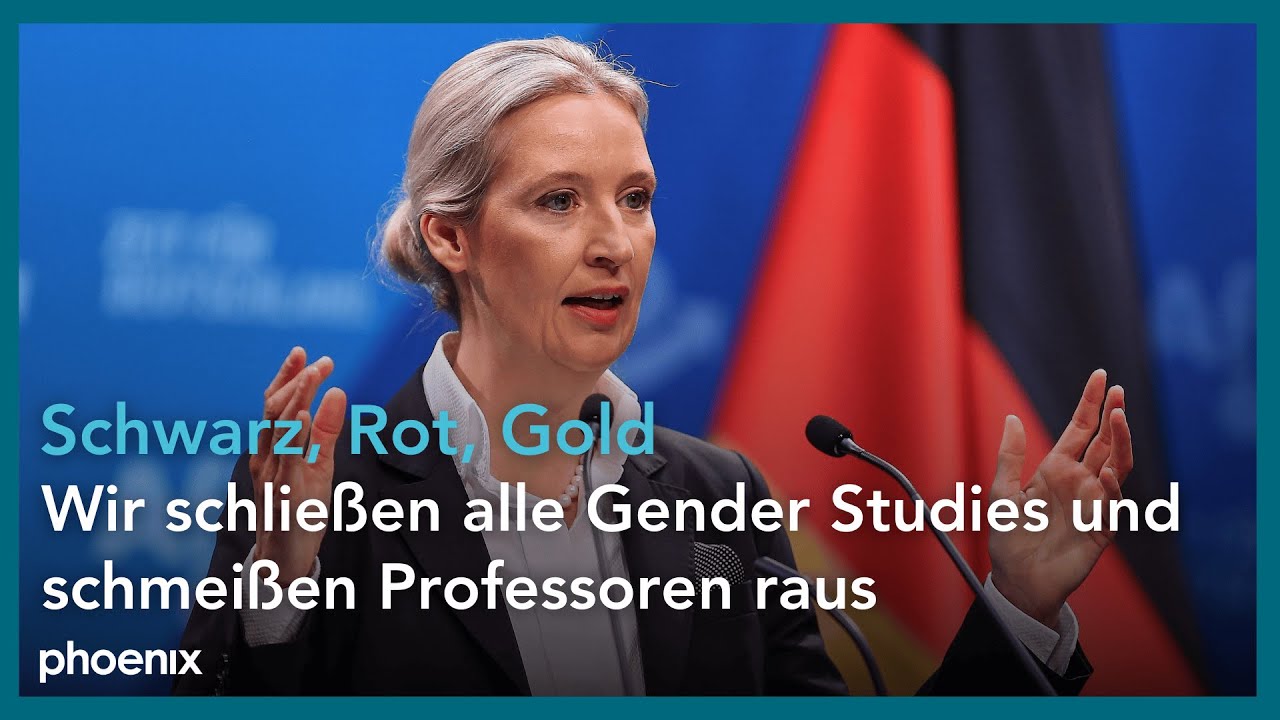
Alice Weidel: AfD Chancellor Candidate 2025

Hungary: China's CATL battery factory
Meta's announcements and digital services?
Donald J. Trump: America is back
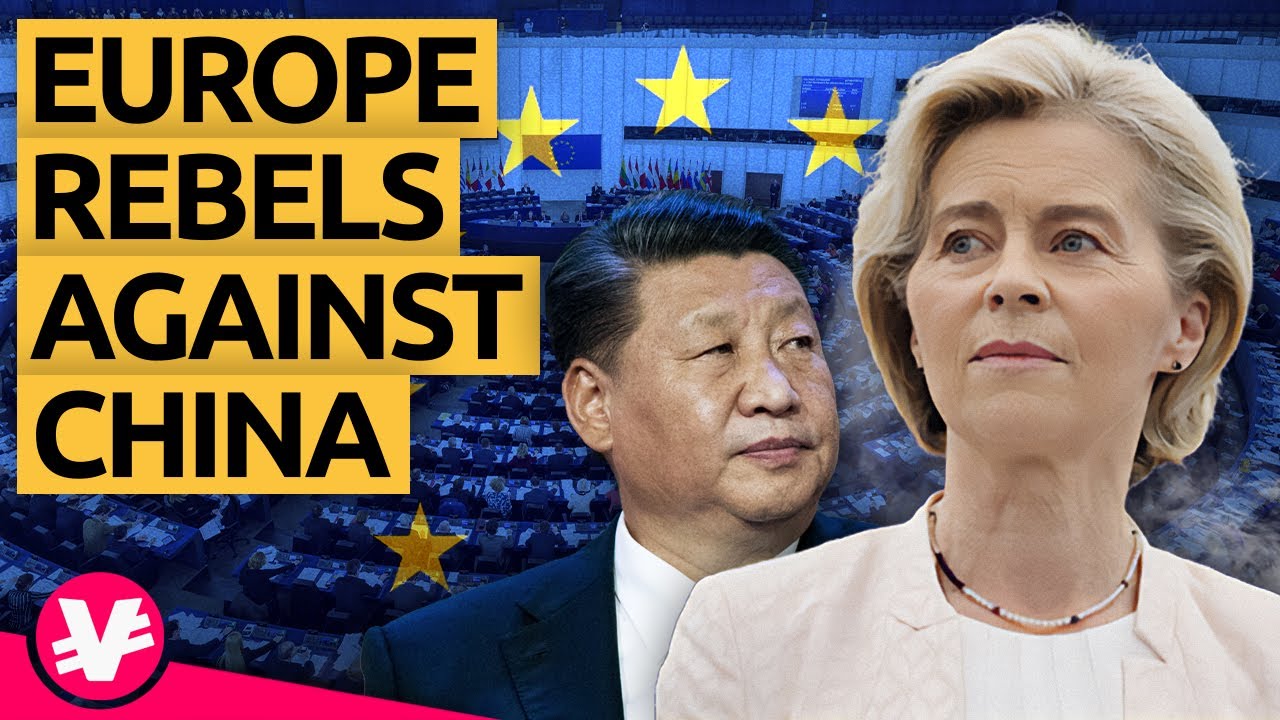
Is this Europe's plan for China?
Argentina, Milei and the US dollar?
The Roman Empire and its downfall?