-
 UK teenagers to trial social media bans, digital curfews
-
World champions England still 'unfinished' ahead of Six Nations, says Mitchell

-
 Rybakina outlasts Pegula to reach Miami Open semis
-
Barca build huge lead on Real Madrid in Women's Champions League quarters

-
 Alleged Rihanna mansion shooter pleads not guilty
-
US says Iran talks continue, will 'unleash hell' if no deal

-
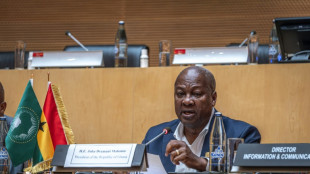 UN designates African slave trade as 'gravest crime against humanity'
-
Trump's Beijing trip rescheduled for May, after Iran delay

-
 No more excuses: World Cup pressure is on for host USA
-
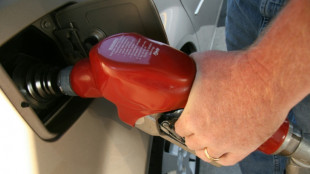
US EPA issues waiver for E15 fuel to address oil supply issues
-
 Grieving families hail court victory against Instagram, YouTube
-
Internet providers not liable for music piracy by users: top US court

-
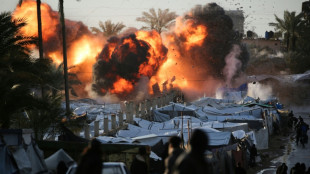 Gaza civil defence says Israeli strike kills one, tents on fire
-
UK govt denies cover-up after PM ex-aide's phone stolen

-
 California jury finds Meta, YouTube liable in social media addiction trial
-
Oil prices slip, stocks rally on Mideast peace hopes

-
 South Africa police clash with anti-immigrant protesters
-
Gattuso says Italy's World Cup play-off 'biggest match' of career

-
 Sakamoto leads skating swansong with 'Time to Say Goodbye' at worlds
-
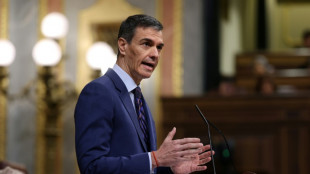
Spanish PM says Middle East war 'far worse' than Iraq in 2003
-
 First Robot: Melania Trump brings droid to White House event
-
Oldest dog DNA suggests 16,000 years of human companionship

-
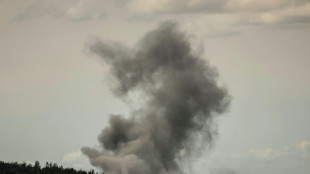 Iran media casts doubt on US peace plan
-
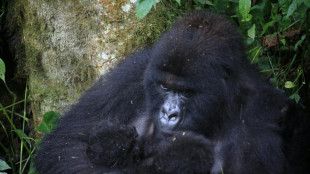
Rare mountain gorilla twins born in DR Congo: park authorities
-
 Ex-midwife enthroned as first female Archbishop of Canterbury
-
AC Schnitzer: When Iconic Tuners Fall Silent

-
 Senegal lodge appeal to Court of Arbitration for Sport over AFCON final decision
-
South Africa seal T20 series win in New Zealand

-
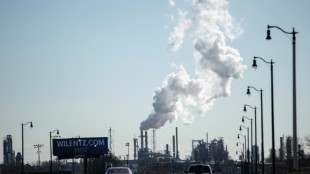 Study links major polluters to big climate damages bill
-
Ex-Google chief Matt Brittin made new BBC director-general

-
 Iran likely behind attacks sowing fear among Europe's Jews: experts
-
'Relieved' McGrath claims career first crystal globe in slalom

-
 US ski star Shiffrin wins overall World Cup title for sixth time
-
Trump names tech titans to science advisory council

-
 Mideast war sparks long queues at Kinshasa petrol stations
-
US TV star details 'agony' over mother's disappearance

-
 Tehran receives US plan to end Mideast war, as Iran fires at US carrier
-
Aviation, tourism, agriculture... the economic sectors hit by the war

-
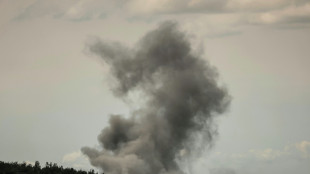 Iran fires at US carrier as backchannel diplomacy aims to end war
-
Salah's long goodbye brings curtain down on golden era for Liverpool

-
 Monaco: city of vice and a few virtues
-
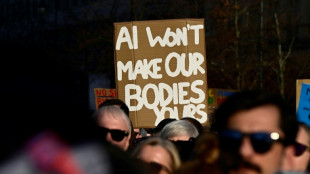
AI making cyber attacks costlier and more effective: Munich Re
-
 Defying Israeli bombs, Lebanese hold out in southern city of Tyre
-
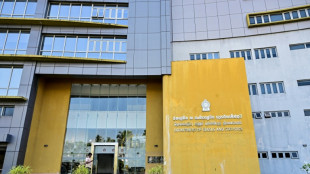
War-linked power crunch pushes Sri Lanka to four-day week
-
 Hungary says will phase out gas deliveries to Ukraine
-
Oil prices tumble, stocks rally on Mideast peace hopes

-
 Maybach: Between Glory and a Turning Point
-
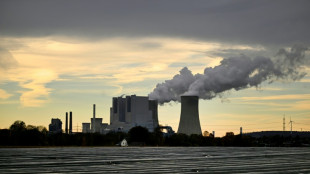
German business morale falls as war puts recovery on ice: survey
-
 Labubu maker Pop Mart's shares fall 23% despite surging earnings
-
ECB won't be 'paralysed' in face of energy shock: Lagarde

Climate change: A farm in Rotterdam
An overview of the issue of climate change and its effects on agriculture?
Climate change is no longer just a future threat, but a present reality that is already having a significant impact on agriculture worldwide. Rising temperatures, changing precipitation patterns and an increase in extreme weather events pose immense challenges for farmers and threaten
The global average temperature has increased by about 1.1 degrees Celsius since pre-industrial times. This warming is leading to changes in the growing conditions for many crops. Some plant species are sensitive to higher temperatures, which can lead to reduced yields and quality losses. For example, grain filling can be affected in
Changing precipitation patterns and water scarcity
Climate change also affects precipitation patterns, leading to droughts in some regions and flooding in others. Water scarcity is becoming an increasingly pressing problem, especially in areas of intensive agricultural use. Without sufficient irrigation, plants suffer from drought stress, which inhibits growth and reduces yields. On the other hand, heavy rainfall and flooding
Increase in extreme weather events
More frequent and intense extreme weather events such as heat waves, storms and frost periods are having a significant impact on agricultural production. Such events can destroy entire harvests, damage infrastructure and have long-term effects on soil fertility. Farmers have to adapt to unpredictable weather conditions, which makes
Spread of pests and diseases
With rising temperatures and changing climate conditions, pests and plant diseases are also spreading into new areas. Insects, fungi and viruses that were previously limited by climatic conditions can now infest larger areas. This increases the demand for pesticides and poses additional challenges for organic farming.
Impacts on animal husbandry
Livestock farming is also affected by climate change. Heat stresses farm animals and can lead to reduced growth, lower milk production and increased mortality rates. In addition, climate change affects the availability of forage crops and water, which makes animal husbandry even more difficult.
Adapting cultivation practices: Crop rotation, conservation tillage and the use of cover crops can maintain soil fertility and increase resilience to extreme weather.
Breeding climate-resistant varieties: Developing plants that can better cope with heat, drought or flooding is crucial for future food security.
Efficient irrigation systems: Technologies such as drip irrigation reduce water consumption and help to use water more efficiently.
Early warning systems: Weather forecasts and warning systems can help farmers to be better prepared for extreme weather events.
Diversification: Diversifying crops and income sources helps farmers to better cushion risks.
Policy support and global cooperation
Tackling the effects of climate change on agriculture requires policy support and international cooperation. Investments in research and development, education, and infrastructure are necessary to support farmers in their adaptation efforts. Furthermore, it is important to reduce global emissions to mitigate further climate change.
Conclusion
Climate change poses a serious threat to agriculture and global food security. However, the effects can be mitigated through proactive adaptation measures, innovation and political support. It is crucial to act now to safeguard agriculture for future generations and ensure the sustainable nutrition of the world's population.

Mexico after El Mencho falls

Nicaragua on the brink?

Cuba: The Regime's last Card

Strike fears rise over Iran

U.S. Jobs stall, gdp slows

Japan’s right‑turn triumph

EU India deal gains unveiled

AI sparks Wall Street panic

India defies U.S. tariffs

EU misstep on mercosur Deal

Argentina reshapes oil