
-
 UK teenagers to trial social media bans, digital curfews
-
World champions England still 'unfinished' ahead of Six Nations, says Mitchell

-
 Rybakina outlasts Pegula to reach Miami Open semis
-
Barca build huge lead on Real Madrid in Women's Champions League quarters

-
 Alleged Rihanna mansion shooter pleads not guilty
-
US says Iran talks continue, will 'unleash hell' if no deal

-
 UN designates African slave trade as 'gravest crime against humanity'
-
Trump's Beijing trip rescheduled for May, after Iran delay

-
 No more excuses: World Cup pressure is on for host USA
-
US EPA issues waiver for E15 fuel to address oil supply issues

-
 Grieving families hail court victory against Instagram, YouTube
-
Internet providers not liable for music piracy by users: top US court

-
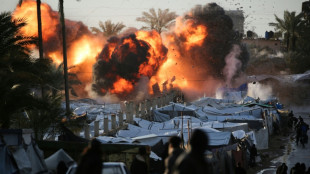 Gaza civil defence says Israeli strike kills one, tents on fire
-
UK govt denies cover-up after PM ex-aide's phone stolen

-
 California jury finds Meta, YouTube liable in social media addiction trial
-
Oil prices slip, stocks rally on Mideast peace hopes

-
 South Africa police clash with anti-immigrant protesters
-
Gattuso says Italy's World Cup play-off 'biggest match' of career

-
 Sakamoto leads skating swansong with 'Time to Say Goodbye' at worlds
-
Spanish PM says Middle East war 'far worse' than Iraq in 2003

-
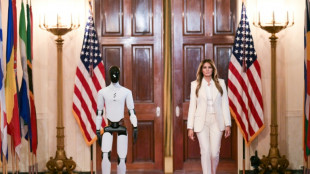 First Robot: Melania Trump brings droid to White House event
-
Oldest dog DNA suggests 16,000 years of human companionship

-
 Iran media casts doubt on US peace plan
-
Rare mountain gorilla twins born in DR Congo: park authorities

-
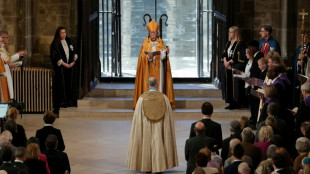 Ex-midwife enthroned as first female Archbishop of Canterbury
-
AC Schnitzer: When Iconic Tuners Fall Silent
-
 Senegal lodge appeal to Court of Arbitration for Sport over AFCON final decision
-
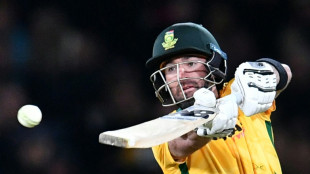
South Africa seal T20 series win in New Zealand
-
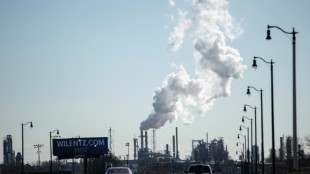 Study links major polluters to big climate damages bill
-
Ex-Google chief Matt Brittin made new BBC director-general

-
 Iran likely behind attacks sowing fear among Europe's Jews: experts
-
'Relieved' McGrath claims career first crystal globe in slalom

-
 US ski star Shiffrin wins overall World Cup title for sixth time
-
Trump names tech titans to science advisory council

-
 Mideast war sparks long queues at Kinshasa petrol stations
-
US TV star details 'agony' over mother's disappearance
-
 Tehran receives US plan to end Mideast war, as Iran fires at US carrier
-
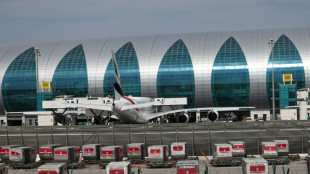
Aviation, tourism, agriculture... the economic sectors hit by the war
-
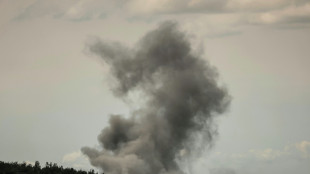 Iran fires at US carrier as backchannel diplomacy aims to end war
-
Salah's long goodbye brings curtain down on golden era for Liverpool

-
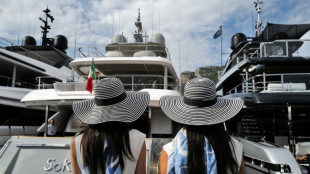 Monaco: city of vice and a few virtues
-
AI making cyber attacks costlier and more effective: Munich Re

-
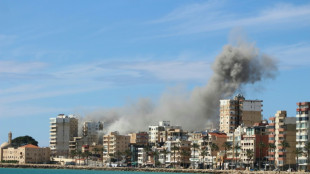 Defying Israeli bombs, Lebanese hold out in southern city of Tyre
-
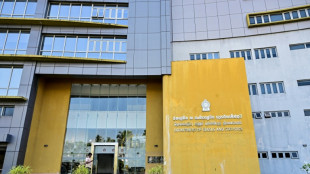
War-linked power crunch pushes Sri Lanka to four-day week
-
 Hungary says will phase out gas deliveries to Ukraine
-
Oil prices tumble, stocks rally on Mideast peace hopes

-
 Maybach: Between Glory and a Turning Point
-
German business morale falls as war puts recovery on ice: survey
-
 Labubu maker Pop Mart's shares fall 23% despite surging earnings
-
ECB won't be 'paralysed' in face of energy shock: Lagarde

Culture: Serbia’s architectural marvels
Serbia's Architectural Marvels: Exploring Manasija Monastery and Smederevo Fortress
Serbia, a land where East meets West, boasts a rich tapestry of history and culture reflected in its architectural heritage. Among its most remarkable structures are the Manasija Monastery and the Smederevo Fortress. These edifices not only exemplify the pinnacle of medieval Serbian architecture but also tell stories of resilience, faith, and artistry that have withstood the test of time.
Manasija Monastery: A Testament to Faith and Artistry
Nestled in the lush Resava valley near the town of Despotovac, the Manasija Monastery, also known as Resava, stands as a beacon of Serbia's spiritual and cultural legacy. Founded in the early 15th century by Despot Stefan Lazarević, a revered Serbian ruler and poet, the monastery is a masterpiece of Morava architectural style, characterised by intricate stone carvings and harmonious proportions.
Architectural Significance
The monastery complex is encircled by formidable fortifications, featuring 11 towers connected by robust walls, reflecting the turbulent times during which it was built. The Church of the Holy Trinity, the monastery's focal point, is adorned with stunning frescoes that are considered among the finest in medieval Serbian art. These frescoes exhibit a blend of Byzantine influences and local artistic expression, depicting biblical scenes with remarkable depth and emotion.
The monastery's construction showcases advanced engineering techniques of the era. The use of alternating rows of stone and brick creates a distinctive striped pattern, while the detailed carvings of floral and geometric motifs highlight the craftsmen's exceptional skills.
Cultural and Historical Impact
Manasija Monastery served not only as a religious centre but also as a hub of scholarly activity. It housed the famous Resava School, a scriptorium where manuscripts were copied and translated, playing a crucial role in preserving Serbian literature and learning during the Ottoman incursions. Today, the monastery remains active, offering visitors a glimpse into Serbia's spiritual heart and its enduring commitment to cultural preservation.
Smederevo Fortress: The Last Capital of Medieval Serbia
Situated on the right bank of the Danube River, the Smederevo Fortress stands as one of the largest fortifications in Europe. Commissioned by Despot Đurađ Branković in the 15th century, it was intended to be the new capital of Serbia following the fall of Belgrade to the Ottomans.
Architectural Grandeur
The fortress encompasses an area of approximately 11 hectares and is designed in a triangular shape to conform to the terrain and the river's course. It features massive walls up to 10 metres high and 4 metres thick, reinforced by 25 towers. The strategic design reflects a combination of Byzantine fortification principles and the latest military architecture of the time.
Notably, the fortress was constructed swiftly, within a decade, demonstrating the organisational capabilities and resources mobilised by the Serbian state. The use of durable materials and the integration of natural defences illustrate the sophistication of medieval Serbian military engineering.
Historical Significance
Smederevo Fortress served as a bulwark against Ottoman expansion but ultimately fell after prolonged sieges. Its capture marked the end of the medieval Serbian state. Over the centuries, the fortress witnessed various rulers and conflicts, leaving behind layers of history etched into its stones.
Today, the fortress is a symbol of national pride and a venue for cultural events, drawing tourists and historians alike. Efforts have been made to preserve and restore the site, recognising its importance as a tangible link to Serbia's past.
Preservation and Legacy
Both Manasija Monastery and Smederevo Fortress have faced challenges over the centuries, from warfare to natural decay. Restoration projects have been essential in safeguarding these monuments for future generations. Manasija was inscribed on the UNESCO Tentative List, highlighting its universal value and the need for international cooperation in its preservation.
These sites offer invaluable insights into the social, religious, and political dynamics of medieval Serbia. They exemplify the country's architectural innovation and its role as a crossroads of cultures.
A Journey Through Time
Visiting these architectural wonders provides a profound experience. At Manasija Monastery, the tranquillity of the surroundings complements the spiritual atmosphere, inviting reflection amidst artistic splendour. The frescoes, with their vivid colours and expressive figures, bring to life stories that have inspired believers for centuries.
At Smederevo Fortress, one can walk along the ancient ramparts, imagining the sights and sounds of a bustling medieval capital. The panoramic views of the Danube and the town of Smederevo connect the past with the present, illustrating the enduring relevance of this historic stronghold.
Conclusion
Serbia's architectural heritage, epitomised by the Manasija Monastery and the Smederevo Fortress, is a testament to the nation's rich history and cultural resilience. These sites not only represent remarkable achievements in architecture and art but also embody the spirit of a people who have navigated the complexities of history with fortitude and creativity.
For travellers and scholars alike, exploring these monuments offers a unique opportunity to delve into the depths of Serbian heritage. As custodians of this legacy, continued efforts in preservation and education are essential to ensure that these treasures remain vibrant parts of Serbia's cultural landscape.

Mexico after El Mencho falls

Nicaragua on the brink?

Cuba: The Regime's last Card

Strike fears rise over Iran

U.S. Jobs stall, gdp slows

Japan’s right‑turn triumph

EU India deal gains unveiled

AI sparks Wall Street panic

India defies U.S. tariffs

EU misstep on mercosur Deal

Argentina reshapes oil



