-
 Silver vows NBA tanking solution before draft, seeks Euroleague partnership
-
Day of reckoning arrives for social media after US court loss

-
 World Cup concerns are exaggerated, says FIFA vice-president
-
NBA team owners approve exploring expansion to Seattle and Las Vegas

-
 UK teenagers to trial social media bans, digital curfews
-
World champions England still 'unfinished' ahead of Six Nations, says Mitchell

-
 Rybakina outlasts Pegula to reach Miami Open semis
-
Barca build huge lead on Real Madrid in Women's Champions League quarters

-
 Alleged Rihanna mansion shooter pleads not guilty
-
US says Iran talks continue, will 'unleash hell' if no deal
-
 UN designates African slave trade as 'gravest crime against humanity'
-
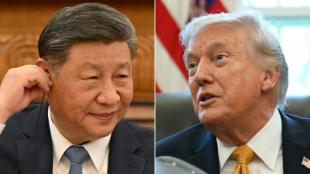
Trump's Beijing trip rescheduled for May, after Iran delay
-
 No more excuses: World Cup pressure is on for host USA
-
US EPA issues waiver for E15 fuel to address oil supply issues

-
 Grieving families hail court victory against Instagram, YouTube
-
Internet providers not liable for music piracy by users: top US court
-
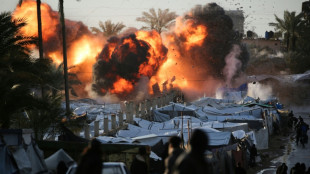 Gaza civil defence says Israeli strike kills one, tents on fire
-
UK govt denies cover-up after PM ex-aide's phone stolen
-
 California jury finds Meta, YouTube liable in social media addiction trial
-
Oil prices slip, stocks rally on Mideast peace hopes
-
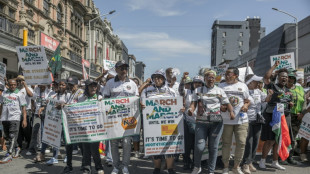 South Africa police clash with anti-immigrant protesters
-
Gattuso says Italy's World Cup play-off 'biggest match' of career

-
 Sakamoto leads skating swansong with 'Time to Say Goodbye' at worlds
-
Spanish PM says Middle East war 'far worse' than Iraq in 2003
-
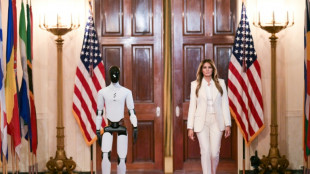 First Robot: Melania Trump brings droid to White House event
-
Oldest dog DNA suggests 16,000 years of human companionship

-
 Iran media casts doubt on US peace plan
-
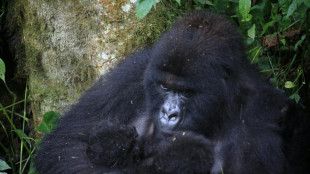
Rare mountain gorilla twins born in DR Congo: park authorities
-
 Ex-midwife enthroned as first female Archbishop of Canterbury
-
AC Schnitzer: When Iconic Tuners Fall Silent
-
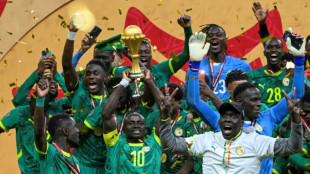 Senegal lodge appeal to Court of Arbitration for Sport over AFCON final decision
-
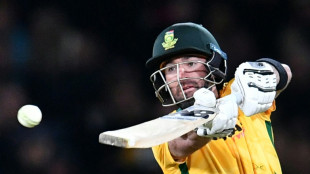
South Africa seal T20 series win in New Zealand
-
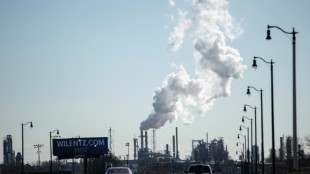 Study links major polluters to big climate damages bill
-
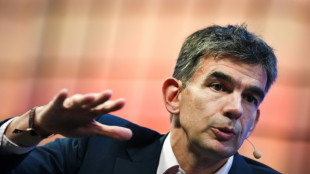
Ex-Google chief Matt Brittin made new BBC director-general
-
 Iran likely behind attacks sowing fear among Europe's Jews: experts
-
'Relieved' McGrath claims career first crystal globe in slalom

-
 US ski star Shiffrin wins overall World Cup title for sixth time
-
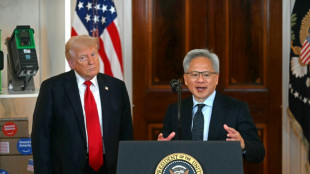
Trump names tech titans to science advisory council
-
 Mideast war sparks long queues at Kinshasa petrol stations
-
US TV star details 'agony' over mother's disappearance

-
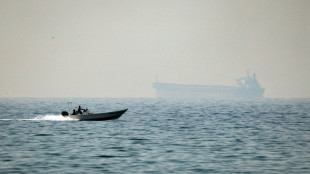
 Tehran receives US plan to end Mideast war, as Iran fires at US carrier
-
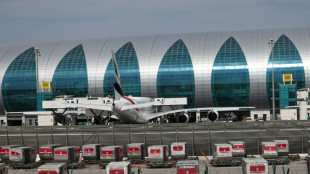
Aviation, tourism, agriculture... the economic sectors hit by the war
-
 Iran fires at US carrier as backchannel diplomacy aims to end war
-
Salah's long goodbye brings curtain down on golden era for Liverpool

-
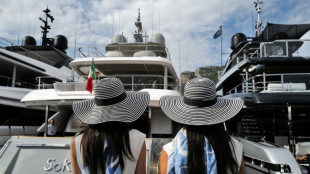 Monaco: city of vice and a few virtues
-
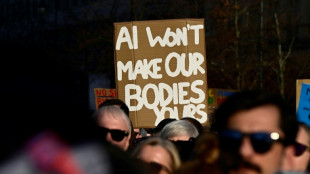
AI making cyber attacks costlier and more effective: Munich Re
-
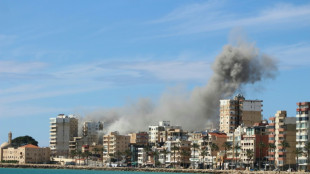 Defying Israeli bombs, Lebanese hold out in southern city of Tyre
-
War-linked power crunch pushes Sri Lanka to four-day week

-
 Hungary says will phase out gas deliveries to Ukraine
-
Oil prices tumble, stocks rally on Mideast peace hopes
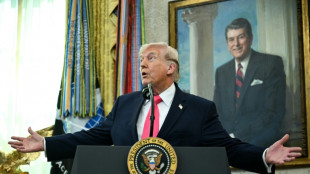
Ishiba's Plan to Change Power in Asia
Is Japan Preparing for War? Ishiba's Vision to Redefine Power in Asia
In a world where geopolitical tensions are intensifying, Japan finds itself at a crossroads. At the centre of this discussion is Shigeru Ishiba, a prominent Japanese politician and former defence minister, whose bold proposals to reshape Japan's security policies are sparking widespread debate. Is Japan merely safeguarding its sovereignty, or is it actively preparing for conflict?
A Paradigm Shift in Japanese Defence
Since the end of World War II, Japan has adhered strictly to its pacifist constitution, particularly Article 9, which renounces the use of war as a means of settling international disputes. However, as global power dynamics evolve and regional threats grow, Ishiba and other leaders argue that Japan must modernise its approach to defence.
Ishiba has proposed a significant expansion of Japan’s military capabilities, including increased defence spending, the development of advanced technologies such as missile defence systems, and a shift towards a proactive deterrence strategy. These measures, he asserts, are necessary to counter the rising influence of China and North Korea's nuclear threat.
The Strategic Context: Asia in Flux
Japan’s strategic positioning in Asia has long been a delicate balancing act. With China's growing assertiveness in the South China Sea, Taiwan Strait, and East China Sea, Ishiba’s call for a stronger Japanese military aims to counterbalance Beijing’s influence. North Korea’s missile tests and unpredictable behaviour further exacerbate the urgency for a robust Japanese defence policy.
Ishiba’s proposals align with the broader trend of Indo-Pacific nations strengthening security alliances, including Japan's growing collaboration with the United States, Australia, and India under the Quadrilateral Security Dialogue (Quad). These partnerships are seen as essential to maintaining regional stability and ensuring a free and open Indo-Pacific.
Domestic and International Reactions
Domestically, Ishiba’s vision has faced both support and opposition. Proponents argue that his policies are pragmatic and essential for Japan’s survival in an increasingly volatile region. Critics, however, worry that such moves could escalate tensions and provoke adversaries. The debate also revives questions about the reinterpretation of Japan’s pacifist constitution and its implications for national identity.
On the international stage, Ishiba’s stance has drawn mixed reactions. Allies like the United States welcome Japan’s increased commitment to regional security, while China and North Korea view these developments as provocative and destabilising.
Preparing for Conflict or Preserving Peace?
Ishiba has repeatedly emphasised that his aim is not to prepare for war but to prevent it. He argues that a strong deterrent capability is the best way to avoid conflict and maintain peace in the region. However, critics contend that expanding Japan's military footprint could trigger an arms race and inadvertently increase the likelihood of confrontation.
The Road Ahead
As Japan navigates these turbulent waters, Ishiba’s vision represents a pivotal moment in the country’s post-war history. Whether his proposals will redefine Japan’s role in Asia or exacerbate regional tensions remains to be seen. What is certain, however, is that Japan’s future decisions will have profound implications not only for its own security but for the broader balance of power in Asia.
As the world watches, the question remains: Is Japan preparing for war, or is it merely adapting to a new era of uncertainty? In answering this question, the nation must grapple with the delicate balance between safeguarding its future and upholding the ideals that have defined its modern identity.
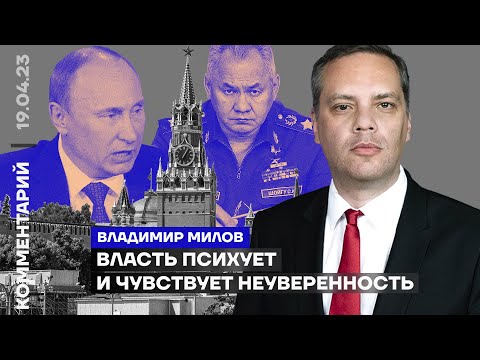
Россия: Власть психует и чувствует неуверенность
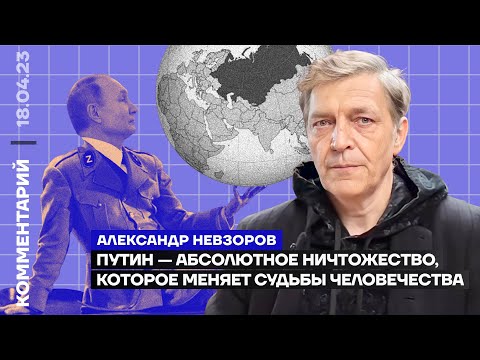
Военный преступник России Путин не изменит судьбу человечества!

Россия: Военный преступник Владимир Путин на фронте войны

Russian Bastards murder defenceless children in Ukraine

Россия: Военные преступники Путин заберёт на войну всех
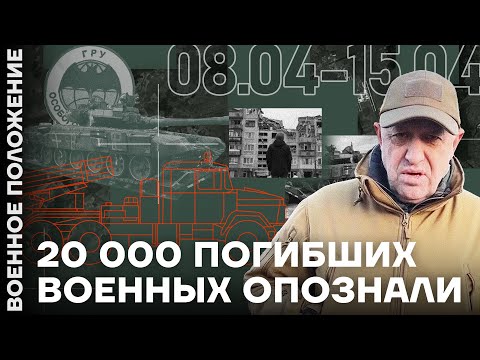
Тысячи погибших солдат российского террора опознаны! Свинья Пригожин теперь хочет мира?

Россия: Пропагандисты ликуют: отрезали голову!
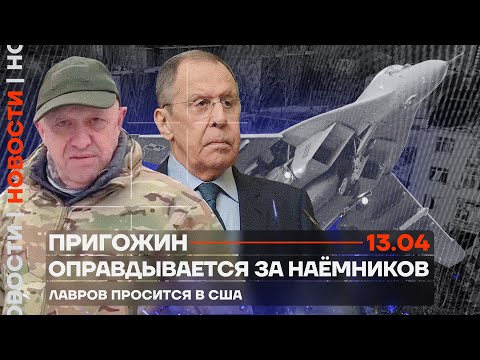
Пригожин оправдывается | Лавров умоляет о везите в США

Россия: Здоровье Навального в опасности

Россия: Вагнеровцев не хотят хоронить!

Вам пришла повестка на Госуслугах. Что делать?