-
 Sinner rips Tiafoe to reach Miami Open semis
-
US lays it on the line as WTO mulls future of global trading
-
 Joy, scepticism across west Africa after UN vote on slave trade
-
Salah would be 'asset' says San Diego FC owner
-
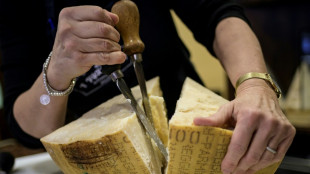 Parmesan exports doing grate... but sales melt in Italy
-
US cannot meet Iran war-induced LNG shortfall: industry leaders
-
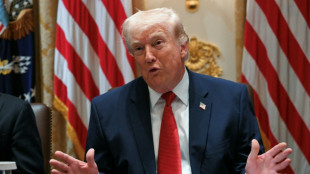 Trump denies being 'desperate' for Iran deal
-
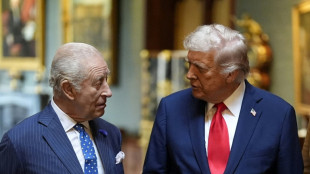
US envoy to UK warns against cancelling king's visit
-
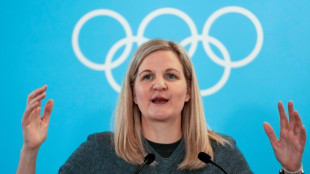
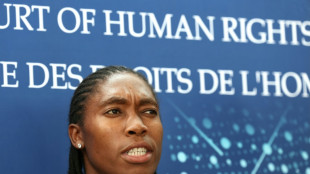 IOC's new gender testing throws up multiple questions
-
Malinin back to his best as third world skating title beckons

-
 Cuban children's heart hospital makes tough choices amid US blockade
-
Oil climbs, stocks slide on uncertainty over US-Iran talks
-
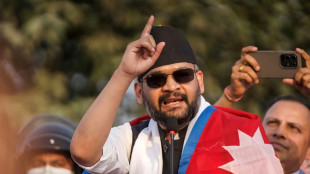 Nepal's PM-to-be delivers first post-election message in rap, urges unity
-
Vernon wins wind-hit Tour of Catalonia stage as Pidcock climbs to second

-
 ChatGPT's taste for literary nonsense sparks alarm
-
Paul McCartney recalls Yesterday with first album in five years

-
 'True miracle': Napoleon's long-lost hat to go on display
-
Lost in space: Sperm struggles to navigate during weightless sex

-
 G7 meets in France hoping to heal transatlantic Iran rift
-
IOC's gender test directive throws up multiple questions
-
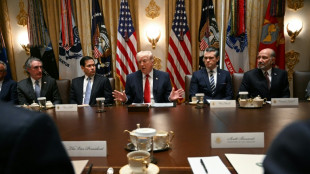 Trump insists Iran operations 'extremely' ahead of schedule
-
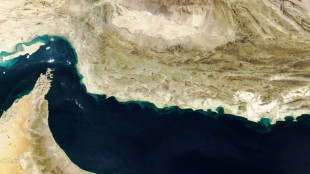
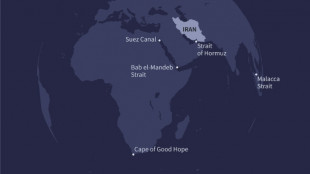
Bab al-Mandeb Strait: another key shipping route under threat
-
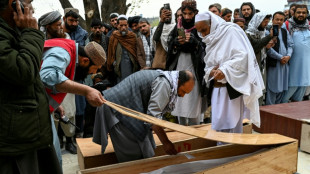 Families of Kabul bombing victims still search for answers
-
Police detain French ex-cop suspected of killing mothers of his children

-
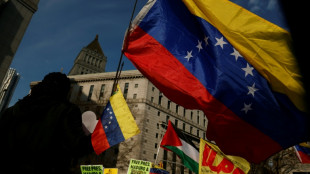 Venezuela's Maduro back in court after stunning US capture
-
Senegal victims of 'most blatant scam' in football history: federation

-
 Former badminton Olympic gold winner Marin retires due to injury
-
Olympic women's sport to be limited to biological females
-
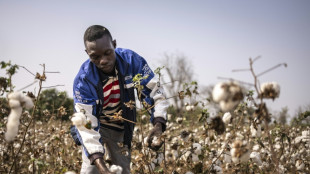 Africa sets out stall for cotton at the WTO
-
Trump's Iran war tests MAGA 'America First' creed

-
 What's happening with Iran-US 'talks'?
-
WTO mulls future of global trading under cloud of Mideast war
-
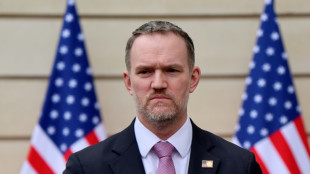 US flexes 'new order' trade policy as WTO meet kicks off
-
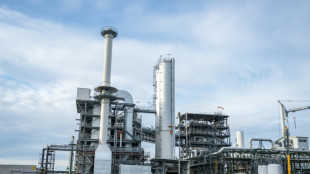
Germany unveils rescue plan for struggling chemical sector
-
 UK PM 'very keen' to curb addictive social media after US ruling
-
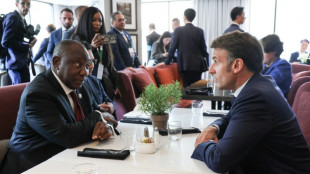
South Africa disinvited from G7 in France after US pressure: Pretoria
-
 EU moves closer to ban sexualised AI deepfakes
-
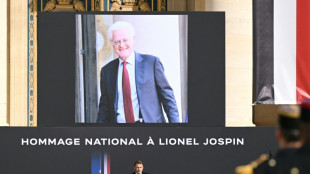
France bids farewell to ex-PM Jospin who 'modernised' nation
-
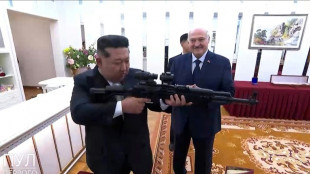 Belarus' Lukashenko gifts automatic rifle to North Korea's Kim
-
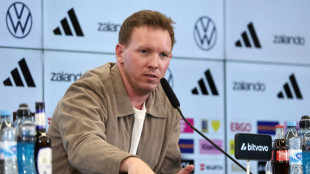
Germany bank on team spirit to end World Cup woes
-
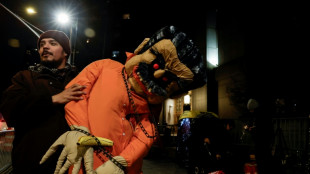 Venezuela's Maduro back in US court after stunning capture
-
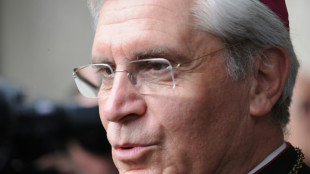
French court orders ex-bishop to pay over 1970s child sex abuse
-
 PSG Ligue 1 game postponed in between two legs of Liverpool Champions League tie
-
Iran may believe it has the upper hand as Trump seeks talks
-
 EU urged to broadly restrict 'forever chemicals'
-
Italy seizes millions 'embezzled' from Ursula Andress

-
 Trump says Iran 'better get serious' in Mideast war talks
-
Global trading system hit by 'worst disruptions in the past 80 years': WTO chief

-
 EU accuses four porn platforms of letting children access adult content
-
Cathay Pacific raises fuel surcharge on all flights by 34%
Truth: The end of the ‘Roman Empire’
The fall of the Roman Empire in the fifth century AD has long captivated historians and the public alike. For centuries, scholars have debated the precise causes of the Empire’s decline, offering myriad explanations—ranging from political corruption and economic instability to moral degeneration and barbarian invasions. Yet despite the passage of time and the wealth of research available, there remains no single, universally accepted answer to the question: why did the Roman Empire truly collapse?
A central factor often cited is political fragmentation. As the Empire grew too vast to govern effectively from one centre, Emperor Diocletian introduced the Tetrarchy—a system dividing the realm into eastern and western halves. While initially intended to provide administrative efficiency, this division ultimately paved the way for competing centres of power and weakened the unity that had long defined Roman rule. Frequent changes of leadership and civil wars further sapped the state’s coherence, undermining confidence in the imperial regime.
Economics played an equally crucial role. Burdened by expensive military campaigns to protect ever-extending frontiers, the Empire resorted to debasing its currency, provoking rampant inflation and eroding public trust. The resulting fiscal strains fuelled social unrest, as high taxes weighed heavily upon small farmers and urban dwellers alike. Coupled with declining trade routes and resource depletion, these pressures contributed to a persistent sense of crisis.
Compounding these challenges was the growing threat from beyond Rome’s borders. Germanic tribes such as the Visigoths, Vandals, and Ostrogoths gradually eroded the Western Empire’s defensive capabilities. While earlier Roman armies proved formidable, internal discord had dulled their edge, allowing external forces to breach once-impenetrable frontiers.
Modern historians emphasise that the Empire did not fall solely because of barbarian invasions, moral decay, or fiscal collapse; instead, its downfall was the outcome of a confluence of factors, each interacting with the other. The story of Rome’s fall thus serves as a stark reminder that even the mightiest of civilisations can succumb to the inexorable weight of political, economic, and social upheaval.

What are the effects of climate change on sea flora?
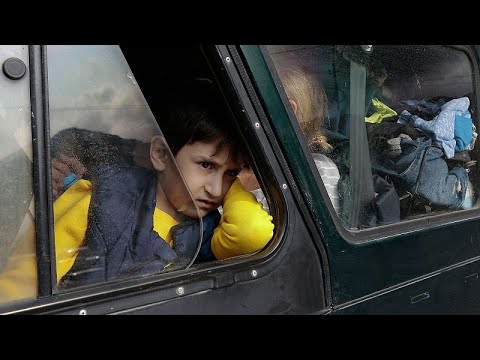
Azerbaijan is in control: Armenians flee Nagorno-Karabakh
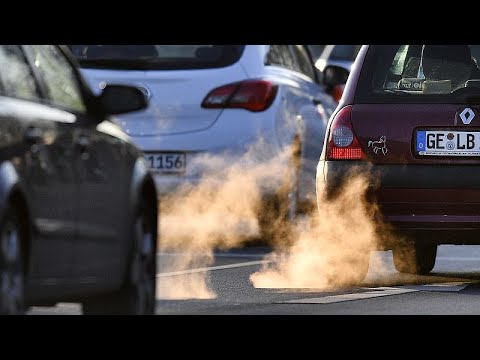
EU countries agree on watered-down car emissions proposal
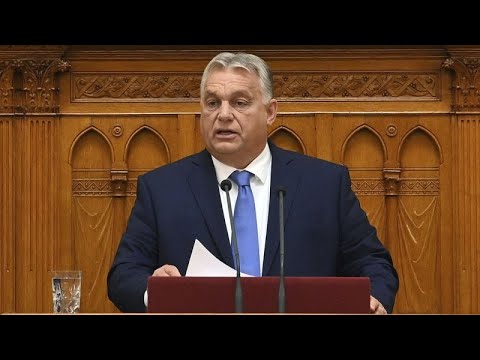
Hungary-Dictator PM Orban claims EU 'deceived' Hungary
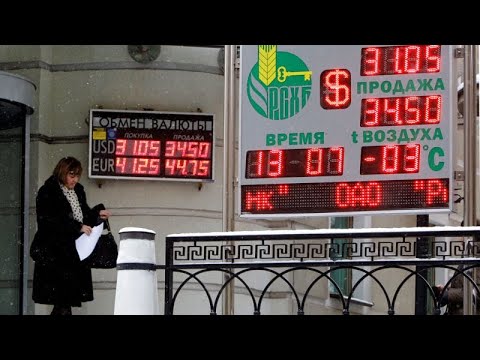
Ruble at the end: Russia's currency on the brink of collapse
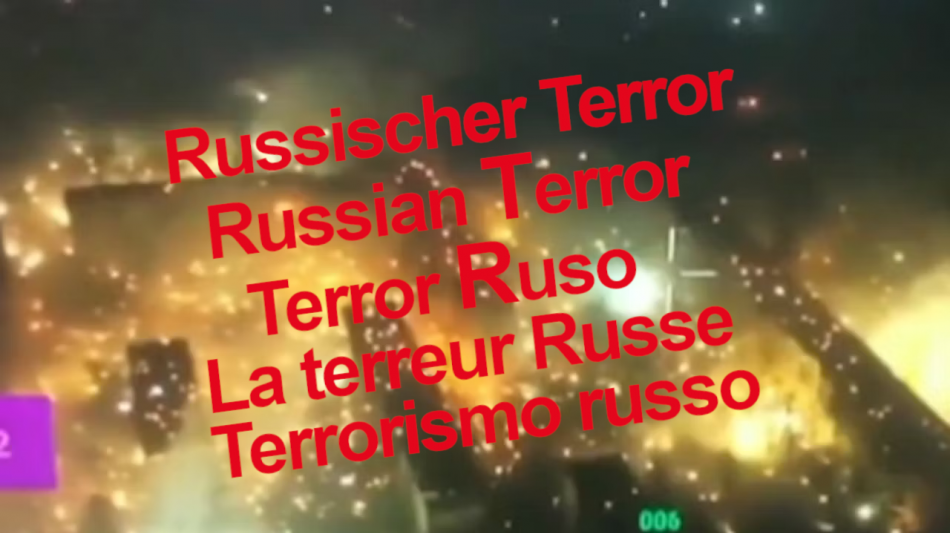
Russia in Ukraine: murder, torture, looting, rape!
That's how terror Russians end up in Ukraine!

Spain: Sánchez's aim of a left coalition will fail!
Russland, der Terror-Staat / Russia, the terrorist state!
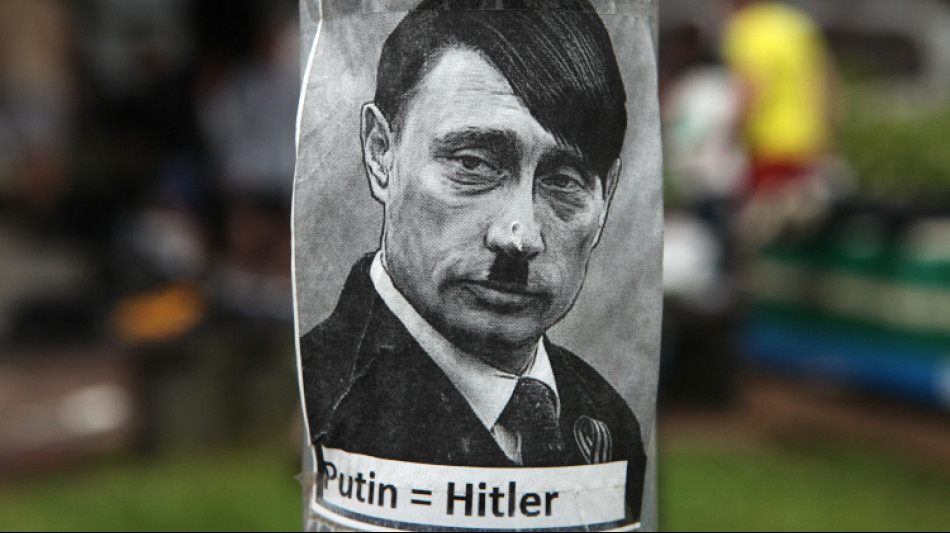
Ukraine in the fight against the russian terror State
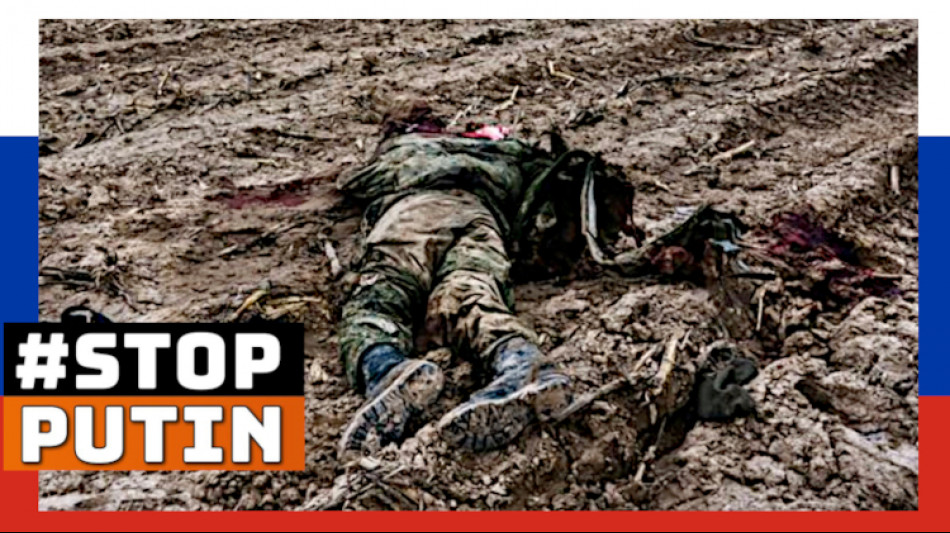
The Russian criminals will never own Ukraine!