-
 Sinner rips Tiafoe to reach Miami Open semis
-
US lays it on the line as WTO mulls future of global trading
-
 Joy, scepticism across west Africa after UN vote on slave trade
-
Salah would be 'asset' says San Diego FC owner

-
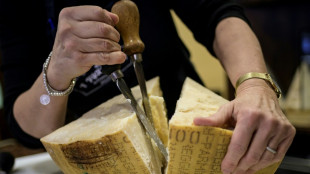 Parmesan exports doing grate... but sales melt in Italy
-
US cannot meet Iran war-induced LNG shortfall: industry leaders
-
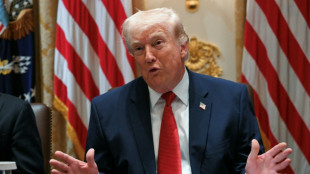 Trump denies being 'desperate' for Iran deal
-
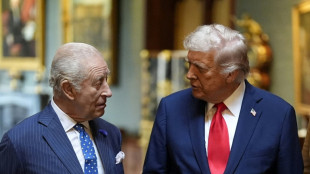
US envoy to UK warns against cancelling king's visit
-
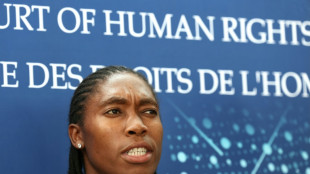 IOC's new gender testing throws up multiple questions
-
Malinin back to his best as third world skating title beckons

-
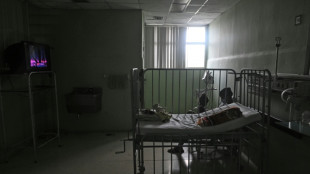 Cuban children's heart hospital makes tough choices amid US blockade
-
Oil climbs, stocks slide on uncertainty over US-Iran talks
-
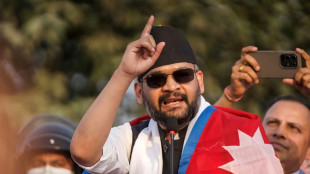 Nepal's PM-to-be delivers first post-election message in rap, urges unity
-
Vernon wins wind-hit Tour of Catalonia stage as Pidcock climbs to second

-
 ChatGPT's taste for literary nonsense sparks alarm
-
Paul McCartney recalls Yesterday with first album in five years

-
 'True miracle': Napoleon's long-lost hat to go on display
-
Lost in space: Sperm struggles to navigate during weightless sex

-
 G7 meets in France hoping to heal transatlantic Iran rift
-
IOC's gender test directive throws up multiple questions
-
 Trump insists Iran operations 'extremely' ahead of schedule
-
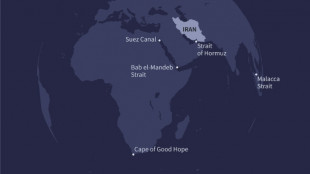
Bab al-Mandeb Strait: another key shipping route under threat
-
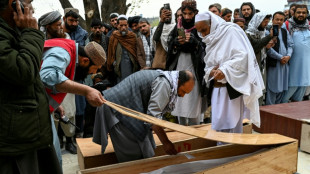 Families of Kabul bombing victims still search for answers
-
Police detain French ex-cop suspected of killing mothers of his children

-
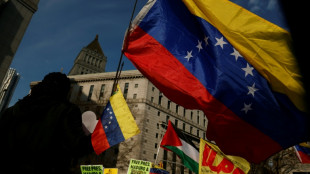 Venezuela's Maduro back in court after stunning US capture
-
Senegal victims of 'most blatant scam' in football history: federation

-
 Former badminton Olympic gold winner Marin retires due to injury
-
Olympic women's sport to be limited to biological females
-
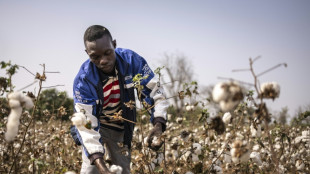 Africa sets out stall for cotton at the WTO
-
Trump's Iran war tests MAGA 'America First' creed

-
 What's happening with Iran-US 'talks'?
-
WTO mulls future of global trading under cloud of Mideast war
-
 US flexes 'new order' trade policy as WTO meet kicks off
-
Germany unveils rescue plan for struggling chemical sector
-
 UK PM 'very keen' to curb addictive social media after US ruling
-
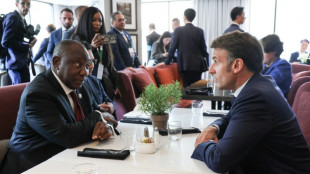
South Africa disinvited from G7 in France after US pressure: Pretoria
-
 EU moves closer to ban sexualised AI deepfakes
-
France bids farewell to ex-PM Jospin who 'modernised' nation

-
 Belarus' Lukashenko gifts automatic rifle to North Korea's Kim
-
Germany bank on team spirit to end World Cup woes

-
 Venezuela's Maduro back in US court after stunning capture
-
French court orders ex-bishop to pay over 1970s child sex abuse

-
 PSG Ligue 1 game postponed in between two legs of Liverpool Champions League tie
-
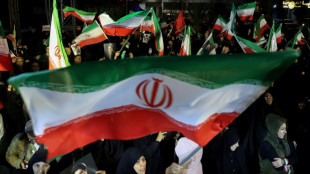
Iran may believe it has the upper hand as Trump seeks talks
-
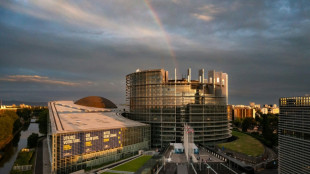 EU urged to broadly restrict 'forever chemicals'
-
Italy seizes millions 'embezzled' from Ursula Andress

-
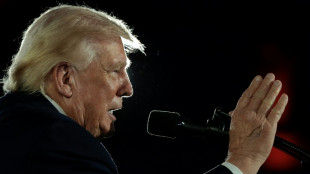 Trump says Iran 'better get serious' in Mideast war talks
-
Global trading system hit by 'worst disruptions in the past 80 years': WTO chief
-
 EU accuses four porn platforms of letting children access adult content
-
Cathay Pacific raises fuel surcharge on all flights by 34%

Wealth that Brazil is not utilizing!
Brazil, a nation endowed with staggering natural riches, stands as one of the world’s great paradoxes: a land of immense wealth that it struggles to harness effectively. From the sprawling Amazon rainforest to vast mineral deposits and a coastline teeming with potential, the country possesses resources that could propel it to economic superpower status. Yet, persistent challenges—mismanagement, environmental degradation, and entrenched inequality—continue to stymie its ability to translate this bounty into sustainable prosperity. As global demand for green energy and rare minerals surges, Brazil’s untapped potential remains both a tantalising opportunity and a frustrating enigma.
A Treasure Trove of Resources:
Few nations rival Brazil’s natural endowment. The Amazon, covering nearly 60% of the country, is not only the planet’s largest carbon sink but also a repository of biodiversity, with untold species that could yield breakthroughs in medicine and agriculture. Beneath its soil lie some of the world’s richest reserves of iron ore, bauxite, and niobium—a metal critical for aerospace and electronics, of which Brazil supplies over 90% of global demand. Offshore, the pre-salt oil fields, discovered in 2006, hold an estimated 50 billion barrels, positioning Brazil as a top-tier petroleum producer. Add to this fertile lands that make it an agricultural giant—exporting soy, beef, and coffee—and the scale of its wealth becomes clear.
This abundance is no secret. In 2024, Brazil’s exports reached $330 billion, driven by commodities like iron ore ($47 billion) and crude oil ($39 billion), according to government data. Yet, these figures belie a deeper truth: the nation reaps only a fraction of the value its resources could command if harnessed strategically.
The Curse of Mismanagement:
Brazil’s failure to capitalise fully on its wealth is rooted in a litany of self-inflicted wounds. Corruption scandals, such as the Lava Jato (Car Wash) investigation, have siphoned billions from state coffers, notably from Petrobras, the national oil company. Infrastructure woes compound the problem: crumbling roads and inadequate ports inflate transport costs, rendering exports less competitive. A 2024 World Bank report estimated that logistical inefficiencies cost Brazil up to 5% of its GDP annually—roughly $100 billion.
The Amazon exemplifies this squandered potential. While its preservation is vital for global climate goals, illegal logging and mining—often abetted by lax enforcement—devastated 11,088 square kilometres in 2023 alone, per Brazil’s National Institute for Space Research. Rather than leveraging its forests for carbon credits or sustainable bio-industries, Brazil loses both ecological and economic ground. President Luiz Inácio Lula da Silva, re-elected in 2022, pledged to halt deforestation by 2030, yet progress remains sluggish, hampered by political resistance and budget constraints.
Missed Opportunities in the Green Boom:
As the world races towards net-zero emissions, Brazil’s resources align uncannily with global needs. Lithium and rare earth elements, essential for batteries and renewable technologies, abound in states like Minas Gerais, yet extraction lags behind leaders like Australia and China due to regulatory hurdles and underinvestment. The International Energy Agency projects demand for lithium to rise tenfold by 2040, yet Brazil’s output remains a trickle—less than 1% of the global total in 2024.
Hydropower, which supplies 60% of Brazil’s electricity, and untapped wind and solar potential could make it a renewable energy titan. The northeast’s windy coastlines boast some of the world’s highest capacity factors for wind farms, yet bureaucratic delays and a creaking grid deter investors. A 2024 study by the Brazilian Wind Energy Association estimated that tripling wind capacity by 2030 could create 200,000 jobs and add $20 billion to GDP—but only with bold reforms.
Inequality and Economic Stagnation:
Wealth in Brazil flows unevenly. The richest 1% control nearly 50% of national income, while 33 million people faced hunger in 2023, according to Oxfam. Commodity booms enrich agribusiness elites and mining firms, yet little trickles down to the broader population. Education, critical for a knowledge-based economy, languishes: Brazil ranks 60th in the OECD’s PISA assessments, hobbling its ability to innovate beyond raw resource extraction.
Economic growth has flatlined, averaging just 0.9% annually from 2011 to 2023. The real, Brazil’s currency, weakened by 15% against the dollar in 2024, reflecting investor unease over fiscal deficits and political gridlock. While competitors like Indonesia diversify into manufacturing, Brazil remains tethered to primary goods, exporting iron ore but importing steel—a failure to climb the value chain.
A Path Forward?
Solutions exist, but require political will. Streamlining bureaucracy could unlock billions in foreign investment, as seen with the $4 billion Vale mining project approved in 2024 after years of delays. Tax incentives for sustainable industries—such as eco-tourism or bio-pharmaceuticals—could tap the Amazon’s potential without razing it. Education reform, paired with vocational training, might equip Brazilians to process their own resources, rather than shipping them abroad raw.
Lula’s administration has hinted at such ambitions, unveiling a $350 million green transition fund in January 2025. Yet, with Congress fractured and state governments at odds, execution falters. On X, commentators lament “a nation asleep on a goldmine,” a sentiment echoed by economists who warn that without reform, Brazil risks becoming a resource-rich relic in a fast-evolving world.
Conclusion:
Brazil’s formidable wealth is both a blessing and a burden. Its resources could fuel a prosperous, sustainable future, yet decades of mismanagement and missed chances have left it punching below its weight. As global demand shifts towards green technologies, the window to harness this potential narrows. Whether Brazil awakens to its own richness—or remains mired in inertia—will define its place in the 21st century.
Russia's Population Plummets
Trump's Tariffs Batter Mexico
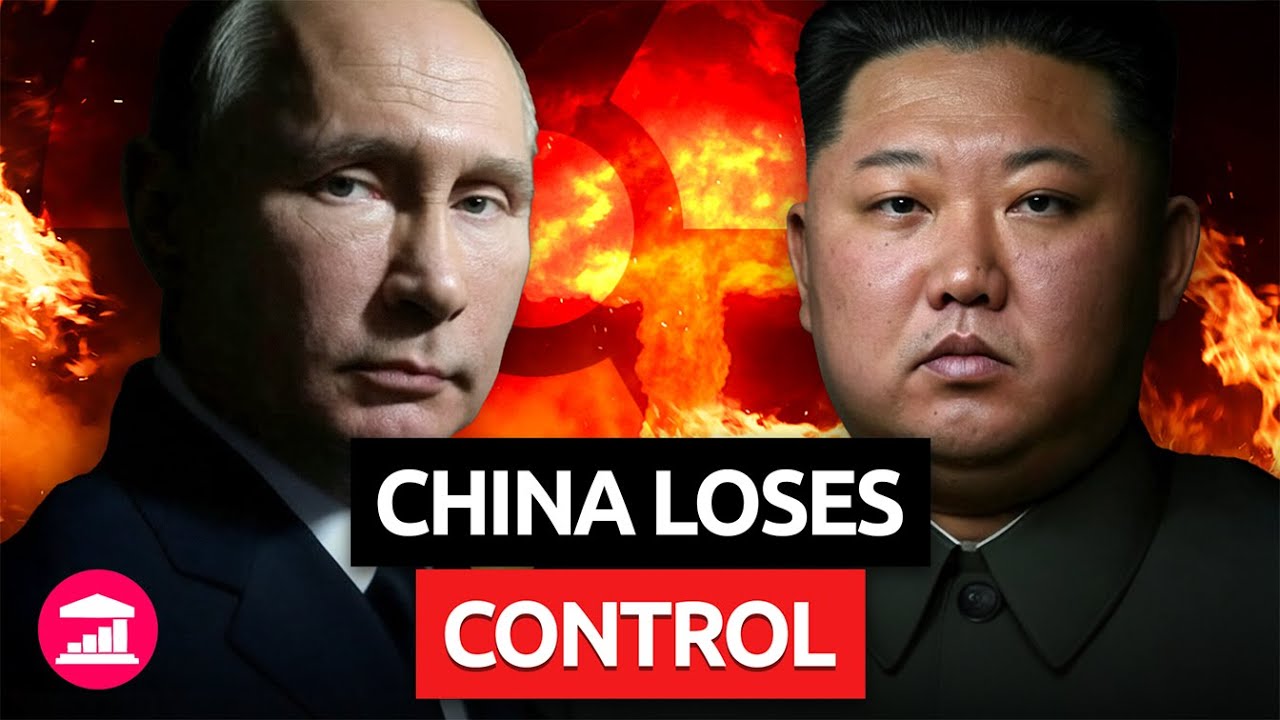
China vs. Putin and Kim?

Jewish Success: Myths & Facts

Zelensky's trap for Putin
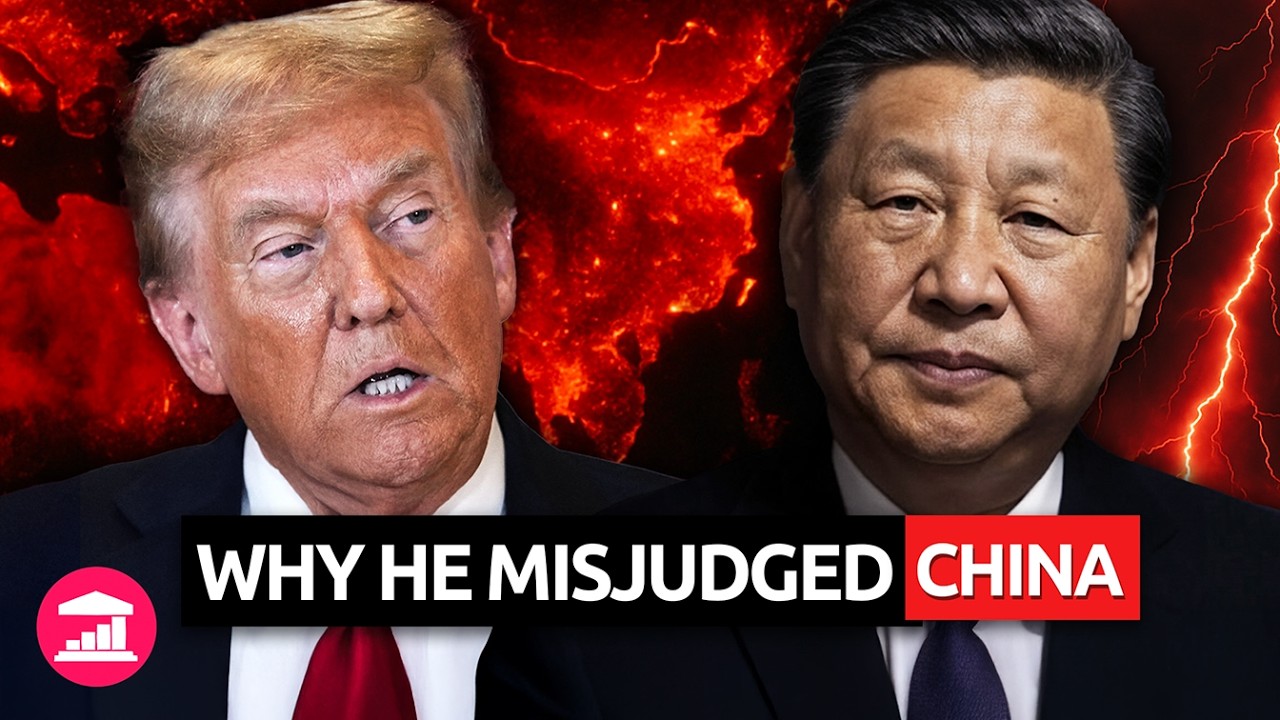
US tariff dispute: No winner
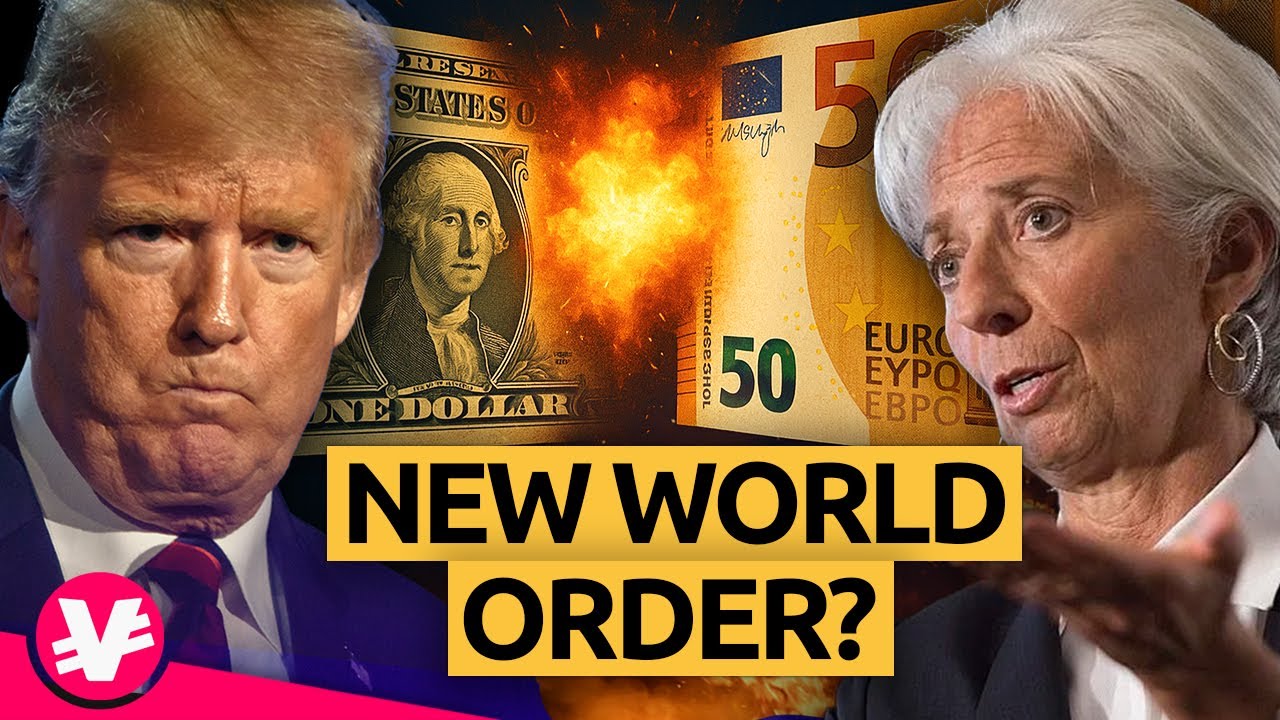
Euro Challenges Dollar's Reign

Leo XIV and Trump: Allies?

India-Pakistan War Fears Grow
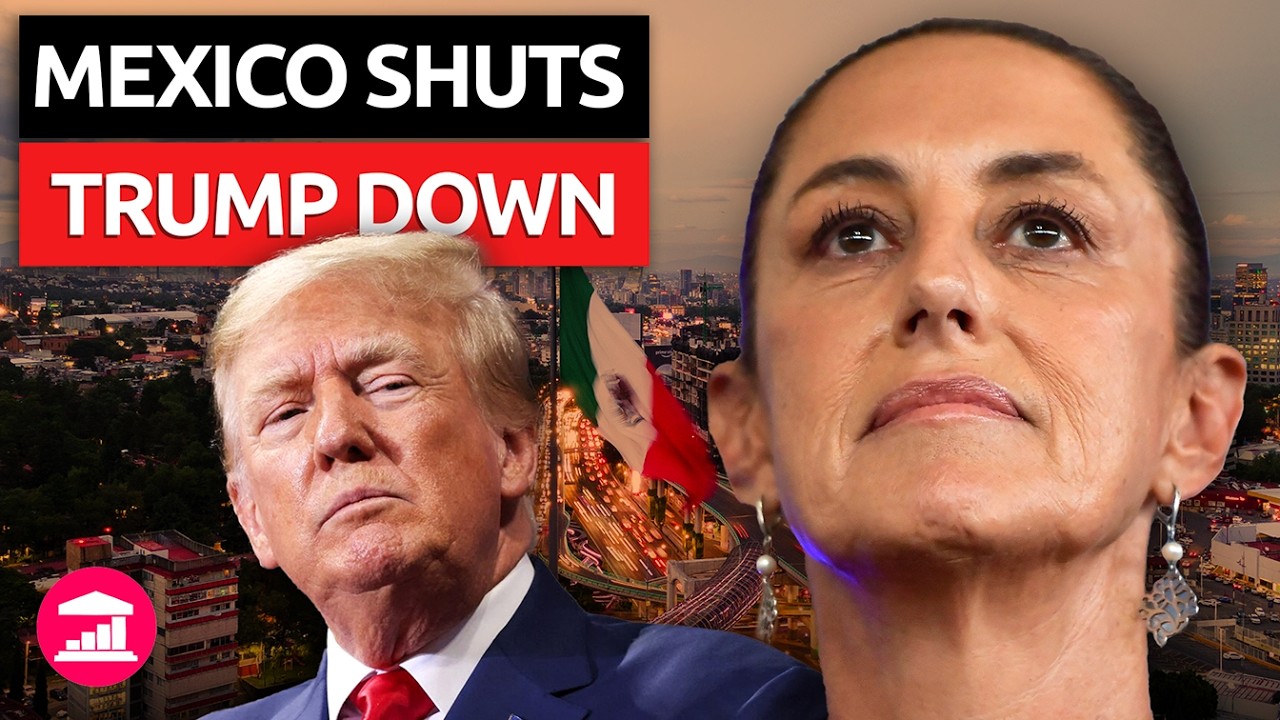
Mexico defies Trump's demands
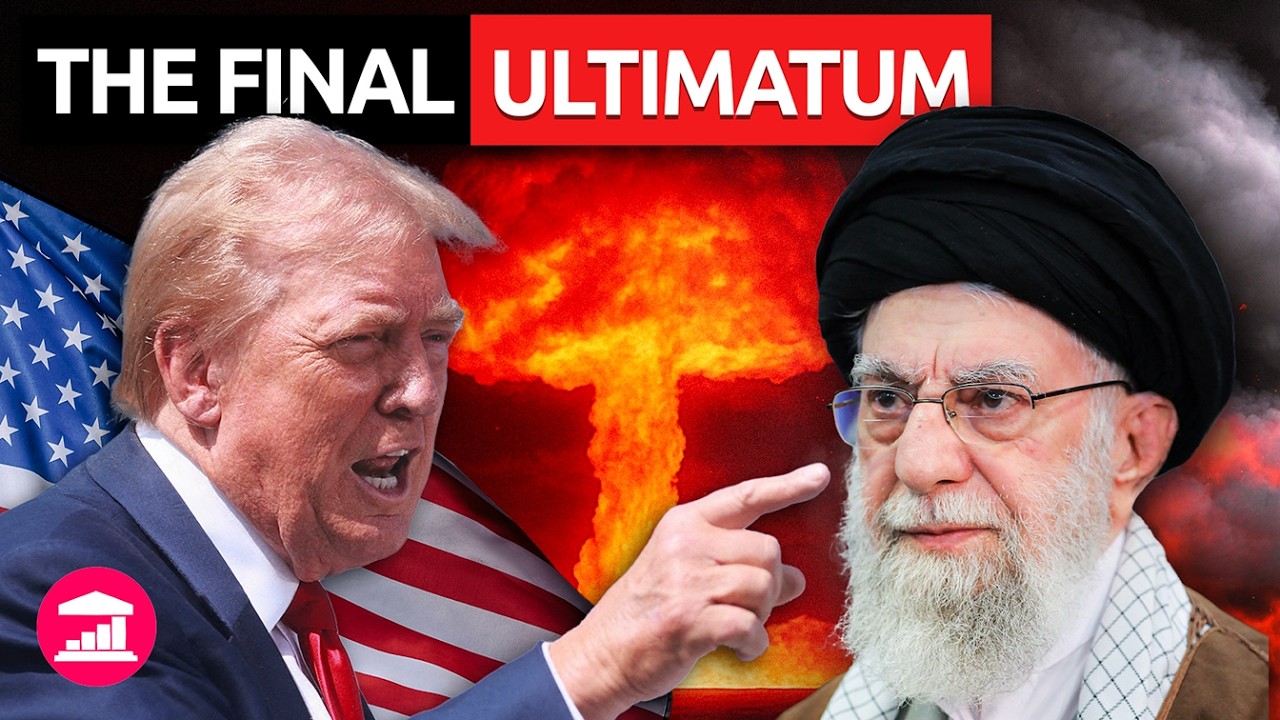
Iran's nuclear dilemma: peace or war?