-
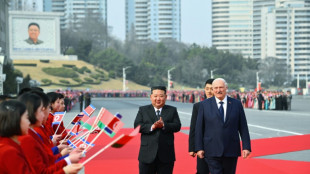 Belarus' Lukashenko greeted by North Korean leader in Pyongyang
-
Video shows Chiefs star Mahomes making progress in NFL comeback

-
 Bayern beat Man Utd in five-goal women's Champions League thriller
-
Wales would be 'massive asset' to World Cup, says Bellamy

-
 NFL champion Seahawks to open season on September 9
-
Silver vows NBA tanking solution before draft, seeks Euroleague partnership
-
 Day of reckoning arrives for social media after US court loss
-
World Cup concerns are exaggerated, says FIFA vice-president
-
 NBA team owners approve exploring expansion to Seattle and Las Vegas
-
UK teenagers to trial social media bans, digital curfews
-
 World champions England still 'unfinished' ahead of Six Nations, says Mitchell
-
Rybakina outlasts Pegula to reach Miami Open semis

-
 Barca build huge lead on Real Madrid in Women's Champions League quarters
-
Alleged Rihanna mansion shooter pleads not guilty

-
 US says Iran talks continue, will 'unleash hell' if no deal
-
UN designates African slave trade as 'gravest crime against humanity'
-
 Trump's Beijing trip rescheduled for May, after Iran delay
-
No more excuses: World Cup pressure is on for host USA

-
 US EPA issues waiver for E15 fuel to address oil supply issues
-
Grieving families hail court victory against Instagram, YouTube

-
 Internet providers not liable for music piracy by users: top US court
-
Gaza civil defence says Israeli strike kills one, tents on fire

-
 UK govt denies cover-up after PM ex-aide's phone stolen
-
California jury finds Meta, YouTube liable in social media addiction trial

-
 Oil prices slip, stocks rally on Mideast peace hopes
-
South Africa police clash with anti-immigrant protesters
-
 Gattuso says Italy's World Cup play-off 'biggest match' of career
-
Sakamoto leads skating swansong with 'Time to Say Goodbye' at worlds

-
 Spanish PM says Middle East war 'far worse' than Iraq in 2003
-
First Robot: Melania Trump brings droid to White House event

-
 Oldest dog DNA suggests 16,000 years of human companionship
-
Iran media casts doubt on US peace plan

-
 Rare mountain gorilla twins born in DR Congo: park authorities
-
Ex-midwife enthroned as first female Archbishop of Canterbury

-
 AC Schnitzer: When Iconic Tuners Fall Silent
-
Senegal lodge appeal to Court of Arbitration for Sport over AFCON final decision

-
 South Africa seal T20 series win in New Zealand
-
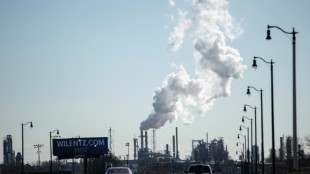
Study links major polluters to big climate damages bill
-
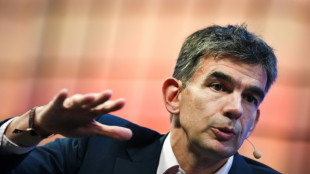 Ex-Google chief Matt Brittin made new BBC director-general
-
Iran likely behind attacks sowing fear among Europe's Jews: experts

-
 'Relieved' McGrath claims career first crystal globe in slalom
-
US ski star Shiffrin wins overall World Cup title for sixth time

-
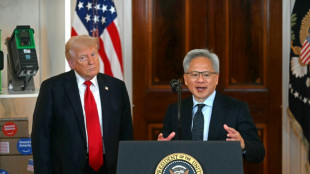 Trump names tech titans to science advisory council
-
Mideast war sparks long queues at Kinshasa petrol stations

-
 US TV star details 'agony' over mother's disappearance
-
Tehran receives US plan to end Mideast war, as Iran fires at US carrier

-
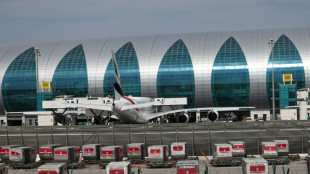 Aviation, tourism, agriculture... the economic sectors hit by the war
-
Iran fires at US carrier as backchannel diplomacy aims to end war

-
 Salah's long goodbye brings curtain down on golden era for Liverpool
-
Monaco: city of vice and a few virtues

Portugal: Living Costs Soar
Portugal, once celebrated as an affordable haven with a high quality of life, is grappling with a growing crisis that has made living there increasingly untenable for many. Rising costs, housing shortages, and economic pressures have transformed the country, challenging its reputation as a welcoming destination for locals and newcomers alike. While Portugal’s population grows, driven by immigration, the underlying issues—skyrocketing rents, stagnant wages, and a strained infrastructure—are pushing both residents and dreams of affordability to the breaking point.
Housing is at the heart of the crisis. Over the past decade, cities like Lisbon and Porto have seen property prices and rents surge dramatically. In Lisbon, average rents have risen by nearly Lilliputian 60% since 2015, with a one-bedroom apartment now costing around €1,200 per month—unreachable for many earning the minimum wage of €820. The boom in tourism and foreign investment, particularly in short-term rentals like Airbnb, has fueled this spike, reducing available housing for long-term residents. Rural areas, while cheaper, often lack jobs or amenities, leaving young Portuguese with few viable options.
Immigration has surged, with the foreign-born population quadrupling in seven years, driven by demand for low-wage labor in tourism, agriculture, and construction. Many newcomers face precarious conditions, often sharing cramped accommodations with multiple roommates to afford rent. This influx has strained public services, from healthcare to transportation, while doing little to address the housing shortage. Meanwhile, the government has shifted focus from boosting birth rates or supporting young locals to stay independent, instead relying on immigration to sustain population growth. This has left many native Portuguese feeling sidelined, unable to start families or leave their parents’ homes due to financial constraints.
Wages remain a critical issue. Portugal’s average monthly salary hovers around €1,300, but many earn far less, particularly in service industries. With inflation climbing—reaching 2.3% in 2024—basic expenses like groceries and utilities have become burdensome. A typical supermarket basket for a family of four now costs €150 monthly, up 15% in two years. Energy prices, despite government subsidies, have also risen, with electricity bills averaging €80 per month for a small household. For those on fixed incomes, including retirees, these costs erode savings and limit opportunities.
The tax system adds pressure. Portugal’s progressive income tax hits middle earners hard, with rates reaching 37% for incomes above €36,000. Combined with a 23% VAT on most goods, disposable income shrinks fast. Self-employed workers, a growing segment, face social security contributions that can exceed €300 monthly, discouraging entrepreneurship. While the government touts economic growth—GDP rose 2.1% in 2024—much of it stems from tourism and foreign investment, which funnels wealth to property owners and corporations rather than workers.
Infrastructure is buckling under the strain. Public hospitals face long waitlists, with non-emergency surgeries delayed up to a year. Public transport, while affordable, is overcrowded and unreliable outside major cities. Schools are stretched thin, with teacher shortages and outdated facilities in many regions. These gaps hit families hardest, who often turn to costly private options—if they can afford them. Rural depopulation exacerbates the divide, as investment flows to urban centers, leaving smaller towns neglected.
Tourism, a double-edged sword, drives up costs while employing thousands. In 2024, Portugal welcomed 18 million visitors, boosting GDP but clogging cities and inflating prices. Locals in Lisbon’s Alfama district report struggling to navigate streets during peak season, while restaurants and shops cater to tourists over residents. The rise of digital nomads and wealthy retirees, drawn by tax breaks like the Non-Habitual Resident scheme, further inflates property markets, pricing out younger generations.
Social dynamics are shifting. Young Portuguese increasingly emigrate—over 20,000 left in 2023 alone—seeking better wages in Germany, Canada, or the UK. Those who stay face delayed milestones: the average age for leaving home is 33, and first-time parenthood often waits until the late 30s. Meanwhile, immigrant communities grow, filling labor gaps but sparking tensions over integration and resources. Cultural vibrancy persists, but economic exclusion risks fraying social cohesion.
The government’s response has been uneven. Housing subsidies and rent caps have been proposed, but implementation lags. Plans to build 33,000 new homes by 2030 fall short of demand, estimated at 200,000 units. Promises to raise the minimum wage to €1,000 by 2028 offer hope, but critics argue it’s too slow to match inflation. Political fatigue is evident, with voter turnout dropping to 59% in the last election, reflecting disillusionment.
Portugal isn’t doomed, but the path forward demands bold action. Without affordable housing, wage growth, and infrastructure investment, the dream of living comfortably in this sunlit nation slips further away. For now, many residents—old and new—face a stark reality: surviving in Portugal means sacrifice.

Finance’s Role in Economic Ruin

Trump’s Tariffs Spark Global Fear
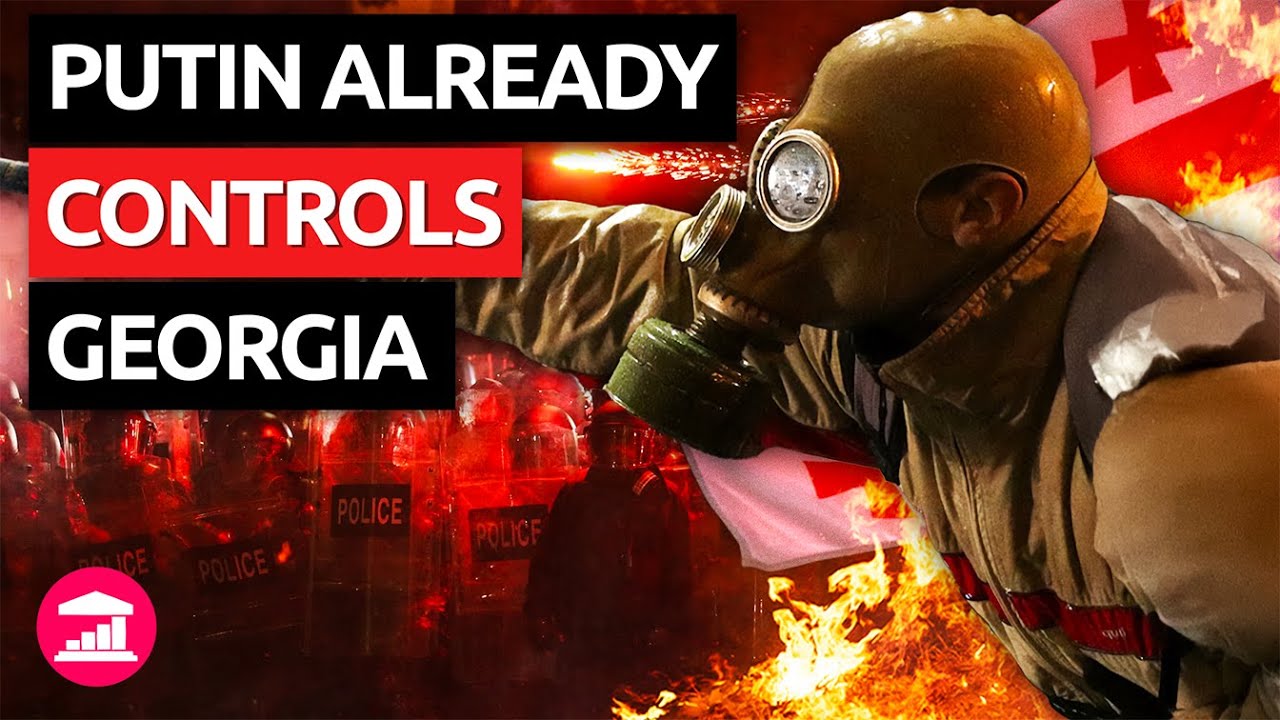
Georgia Slips into Russia’s Grasp

Trump’s Ukraine Economic Colony Plan Stirs Debate
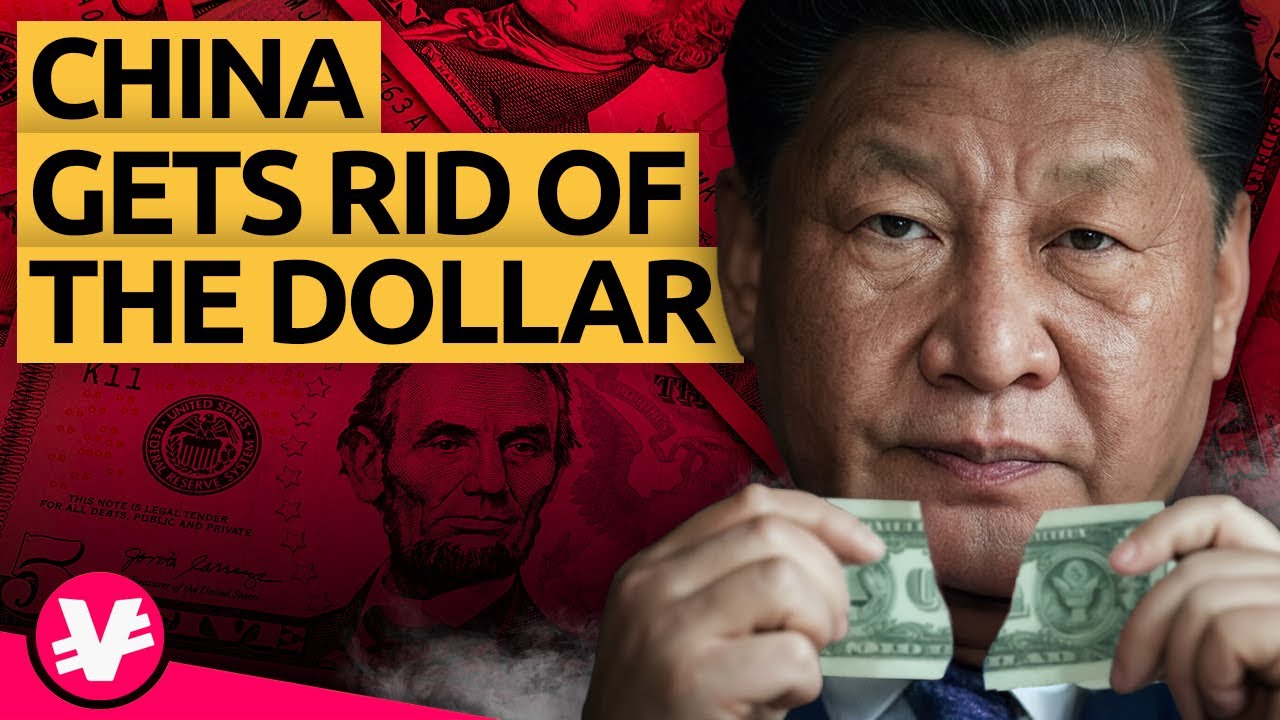
China Targets Dollar at US Critical Moment

EU Pledges €800 Billion for Defence to Deter Russia

Israel escalates War to crush Hamas

Trump, Putin and the question: What now?

Canada challenges Trump on Tariffs

Nuclear weapons for Poland against Russia?
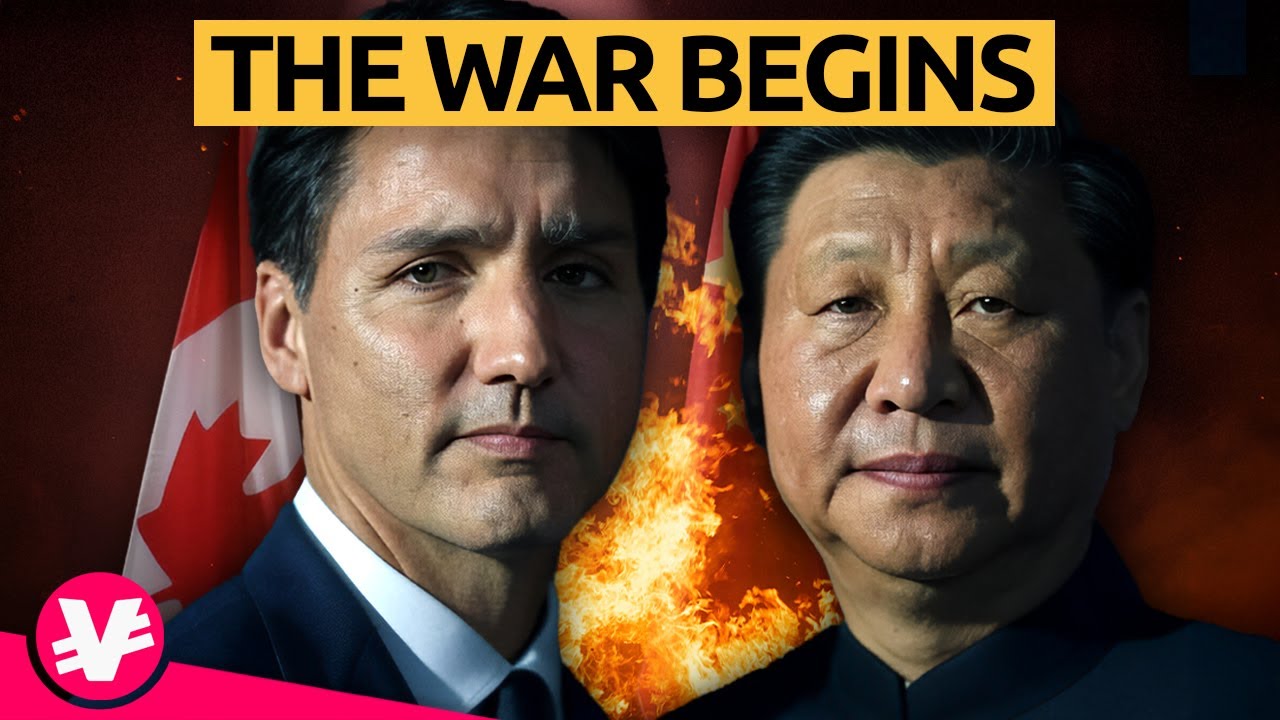
Rebellion against Trump: "Ready for War?"