-
 Aviation, tourism, agriculture... the economic sectors hit by the war
-
Iran fires at US carrier as backchannel diplomacy aims to end war
-
 Salah's long goodbye brings curtain down on golden era for Liverpool
-
Monaco: city of vice and a few virtues
-
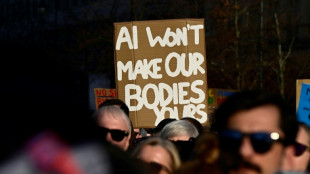 AI making cyber attacks costlier and more effective: Munich Re
-
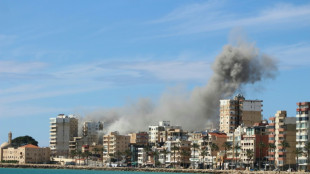
Defying Israeli bombs, Lebanese hold out in southern city of Tyre
-
 War-linked power crunch pushes Sri Lanka to four-day week
-
Hungary says will phase out gas deliveries to Ukraine
-
 Oil prices tumble, stocks rally on Mideast peace hopes
-
Maybach: Between Glory and a Turning Point

-
 German business morale falls as war puts recovery on ice: survey
-
Labubu maker Pop Mart's shares fall 23% despite surging earnings
-
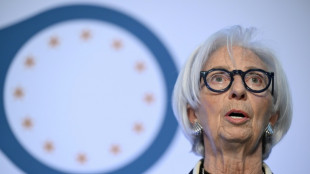 ECB won't be 'paralysed' in face of energy shock: Lagarde
-
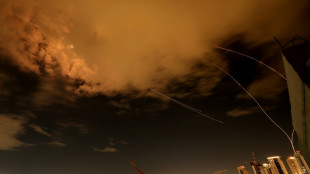
Iran hits targets across Middle East after Trump signals talks progress
-
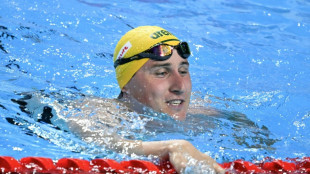 McEvoy says best is to come after breaking long-standing swim record
-
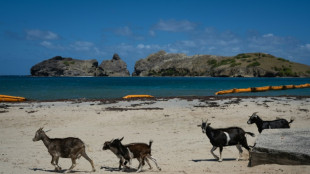
Goat vs gecko: A tiny Caribbean island faces wildlife showdown
-
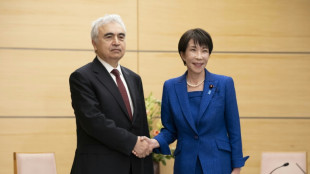 Japan PM asks IEA chief to prepare additional 'coordinated release' of oil
-
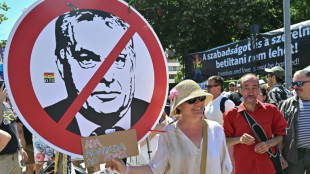
Hungary's hard-pressed LGBTQ people say Orban exit is only half battle
-
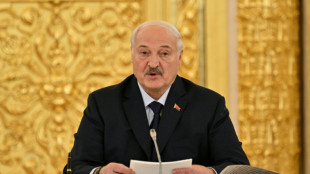 Belarus leader visits North Korea for first time
-
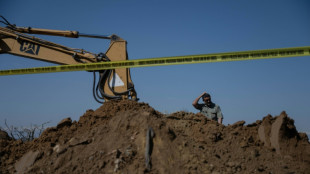
'No heavier burden': the decades-long search for Kosovo war missing
-
 Exotic pet trade thrives in China despite welfare concerns
-
Iran fires missile salvo after Trump signals progress in talks
-
 BTS concert drew 18.4 million viewers, says Netflix
-
OSCE's 'chaotic' Ukraine evacuation put staff at risk: leaked report
-
 Top WTO official sounds fertiliser warning over Middle East war
-
France and Brazil weigh up World Cup prospects in glamour friendly
-
 Italy hoping to end World Cup pain as play-offs loom
-
Dirty diapers born again in Japan recycling breakthrough
-
 Verstappen's Japan GP win streak under threat as Mercedes dominate
-
Crude tumbles, stocks rally on hopes for Iran war de-escalation
-
 Gauff outlasts Bencic to reach Miami semi-finals
-
'Hero' Australian dog who saved 100 koalas retires

-
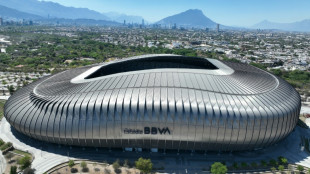 Underdogs chase World Cup berths in Mexico playoff tournament
-
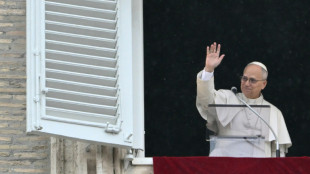
Pope heads to tiny Catholic Monaco
-
 Meet the four astronauts set to voyage around the Moon
-
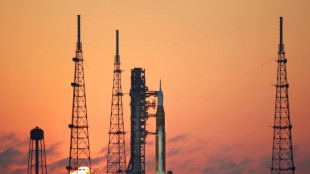
Artemis 2 Moon mission: a primer
-
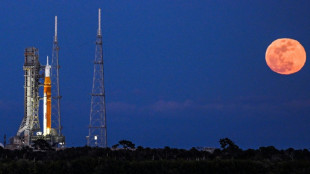 It's go time: historic Moon mission set for lift-off
-
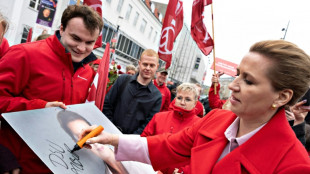
Denmark's PM Mette Frederiksen, tenacious and tough on migration
-
 OpenAI kills Sora video app in pivot toward business tools
-
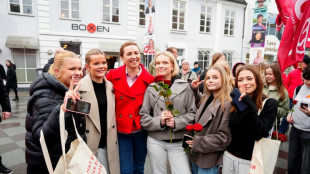
Danish PM's left-wing bloc wins election, but no majority
-
 Lithium Measurement MR-Technology Provider NanoNord Expands Business with DLE Leader ElectraLith, Following Danish State Visit to Australia
-
Lobe Sciences Ltd. Reports Improved Financial Position and Strategic Update

-
 Rancho BioSciences Appoints Chris O'Brien as CEO to Deliver AI-Ready Data Solutions for Faster, More Reliable R&D
-
Datavault AI Partners with Rising British Heavyweight Moses Itauma

-
 Brazil court grants house arrest for jailed Bolsonaro
-
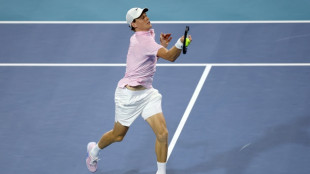
Sinner downs Michelsen to reach Miami Open quarter-finals
-
 Advantage Arsenal in women's Champions League quarter-final against Chelsea
-
Garner dreams of World Cup glory in bid to replicate England under-21 success

-
 New Mexico jury finds Meta liable for endangering children
-
Huge crowd in Buenos Aires marks 50 years since Argentina's coup
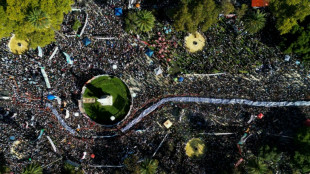
EU Pledges €800 Billion for Defence to Deter Russia
The European Union has unveiled an ambitious plan to allocate €800 billion towards bolstering its defence capabilities, a move widely interpreted as a strategic response to escalating tensions with Russia. Announced by European Commission President Ursula von der Leyen, this initiative aims to transform the EU into a formidable "defence union," shifting its economic priorities towards what some analysts have dubbed a "war economy." The decision, detailed in a recent strategic white paper, comes amid growing concerns over Russia’s military assertiveness, particularly following its ongoing aggression in Ukraine and perceived threats to NATO’s eastern flank.
The €800 billion package, to be rolled out over the coming years, includes €150 billion in EU loans and significant exemptions from the bloc’s stringent debt rules, allowing member states to finance military enhancements without breaching fiscal limits. According to sources cited by the Deutsche Presse-Agentur (DPA), the funds will target seven key areas, including air defence, cyber capabilities, and military intelligence, aiming to close critical gaps in Europe’s defence infrastructure. "If Europe wants to avoid war, it must be prepared for war," the white paper states, echoing a sentiment of deterrence through strength.
Russia’s reaction has been swift and critical. Kremlin spokesperson Dmitry Peskov accused Europe of "aggressive militarism," a charge that carries irony given Russia’s own allocation of nearly 40% of its state budget to military spending in 2025. Russian President Vladimir Putin has overseen a dramatic shift to a war economy since the invasion of Ukraine in 2022, with the country reportedly producing three million artillery shells annually—outpacing the combined output of NATO’s 32 members. This disparity in production capacity has fuelled European fears that Russia could sustain prolonged conflicts, potentially eyeing targets beyond Ukraine, such as the Baltic states or Poland.
The EU’s move also reflects unease over its reliance on the United States, particularly following uncertainties surrounding American support under a potential Donald Trump presidency. While earlier drafts of the white paper explicitly warned of over-dependence on the US, these references were softened in the final version after interventions from von der Leyen’s cabinet, as reported by DPA. Nonetheless, the €800 billion commitment underscores a push for strategic autonomy, with investments channelled into European-made defence systems to reduce external vulnerabilities.
Critics within the EU, however, question the feasibility and implications of such a shift. Transforming a civilian economy into one geared for war requires significant market interventions, a prospect that has raised doubts about political willingness and economic sustainability. The precedent of the United States during World War II—where private industries were placed under strict government oversight—looms large, yet Europe’s fragmented political landscape may complicate such coordination. Furthermore, the redirection of resources comes at a time when the EU is already grappling with energy transitions and post-pandemic recovery, with the €672 billion European Recovery Fund serving as a recent benchmark for large-scale spending.
Public sentiment, particularly in Germany, reflects growing anxiety. A Shell Youth Study cited by rbb-online.de found that the threat of war is now the top concern among young Germans, with fears of conscription and displacement driving calls for preparedness. NATO’s ongoing "Steadfast Defender" exercises, involving 90,000 troops, and the upcoming "Nordic Response" manoeuvre underscore this urgency, simulating defensive operations against a Russian incursion.
While the €800 billion figure is a political statement of intent, its implementation remains uncertain. Analysts note that it may take months, if not years, for funds to translate into tangible military assets. For now, the EU hopes this bold financial pledge will serve as a deterrent, projecting strength to Moscow while navigating internal divisions and external dependencies. Whether it instils fear in Russia or merely galvanises Europe’s resolve, the stakes for the continent’s security have rarely been higher.
Iran-War and dangerous Lines
30 Days to Save the Economy?
No red lines: Israel vs Iran
Cuban regime nears collapse
Iran and the holy War risk
Is that Israel's final blow?

Israel presses Tehran

Iran lifts Dollar, sinks Euro
Hormuz Shock Risk rising
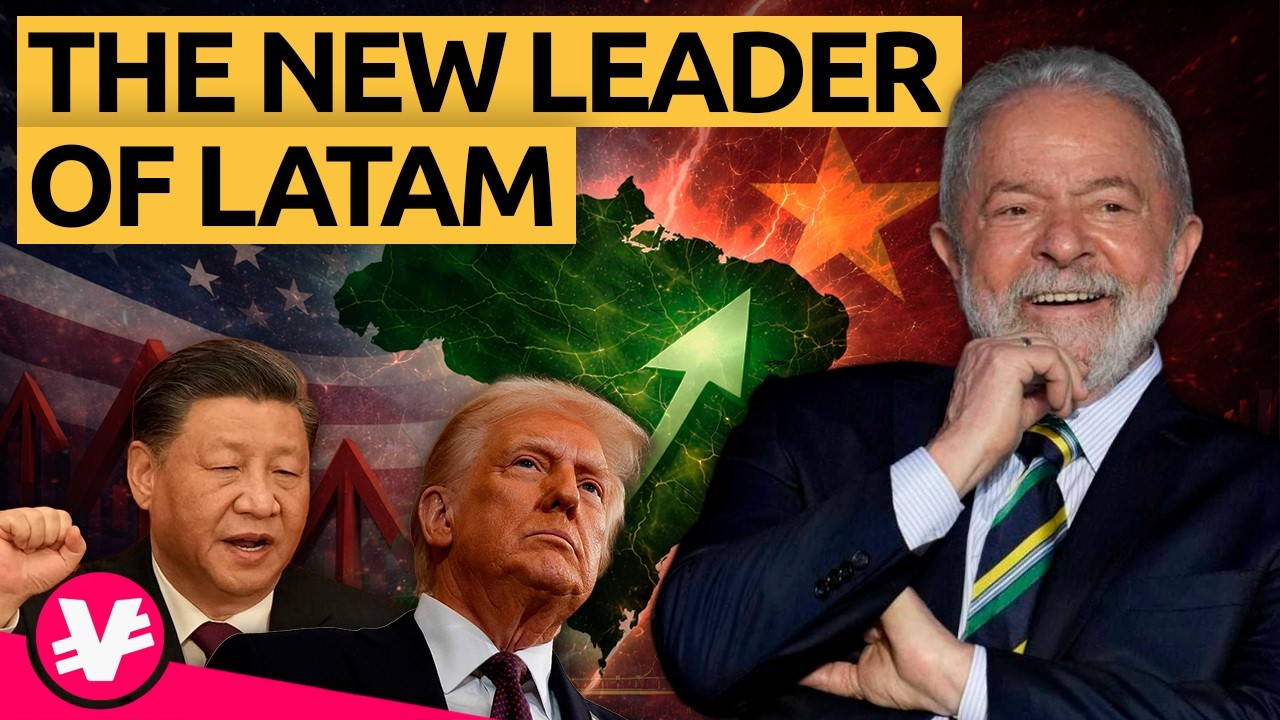
Brazil's trade-war boom
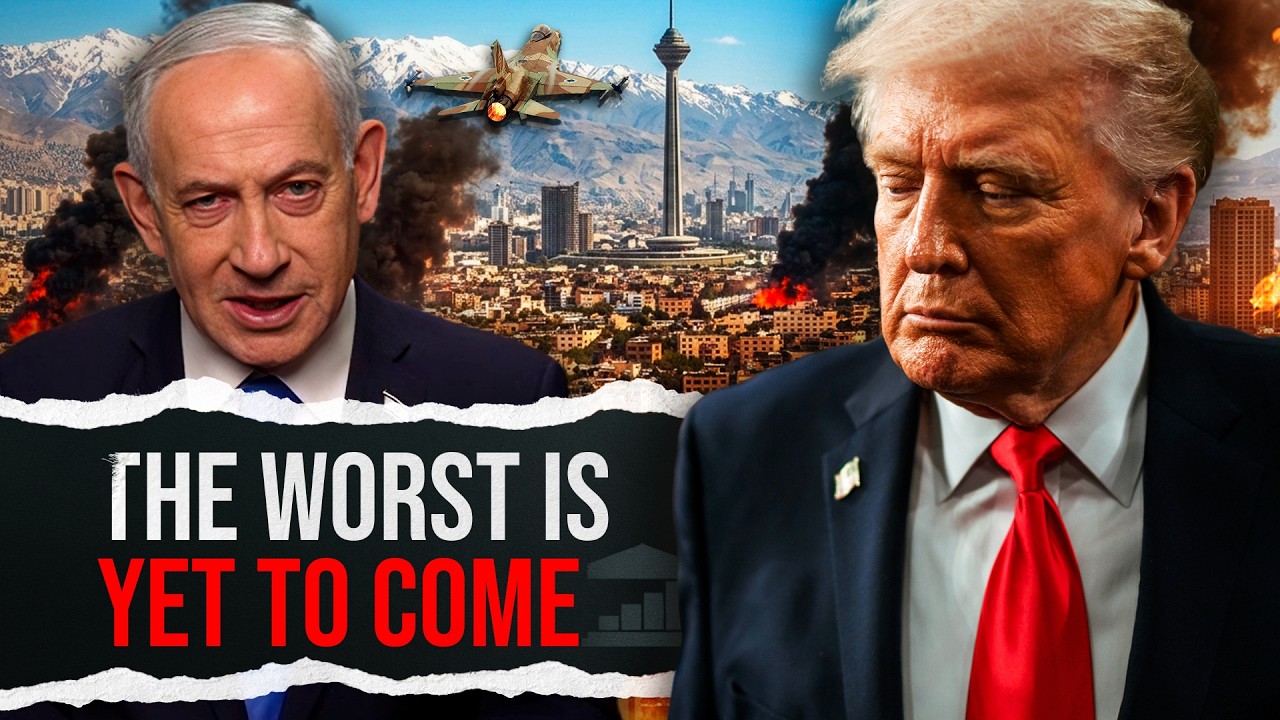
Iran's revenge rewired