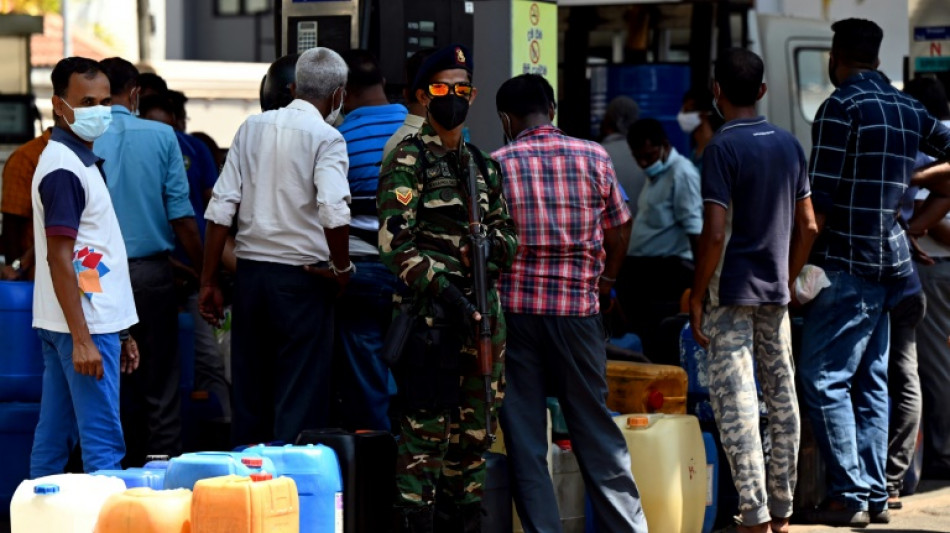
Sri Lanka hospitals running out of life-saving drugs / Photo: ©

 Prague’s Concert for the Future Kicks Off on Wenceslas Square

 Prince William and Princess of Wales to Announce Earthshot Prize Winners in Mumbai

 Indonesia Forest Fires: Health Crisis, Diplomatic Strains and the Search for Solutions

 BYD Dolphin G Leasing Deal: Plug-in Hybrid Supermini Available from £174 a Month

 JUEL Group Expands from Real Estate to Hospitality with Hyatt Centric Malta Opening

 French Economy Shrinks 0.1% as Consumer Confidence Slumps

 Wall Street Ends Turbulent Week Higher Despite Inflation and AI Jitters
Sri Lanka's state-run hospitals are running out of life-saving medicines due to a shortage of dollars needed to import essentials as the country reels from a dire economic crisis, officials said Tuesday.
Teaching Hospital Peradeniya which serves a population of 2.4 million people in the Central province said it was suspending all routine surgeries and was out of anaesthetic drugs and other essentials for operations.
A key health trade union said the problem at Peradeniya was common in most state hospitals where suppliers had not been paid for over six months.
A surgeon at the main National Hospital in Colombo said they were short of many vital medicines and patients requiring human insulin were told to bring their own.
"The situation is very grave and we need a disaster management initiative to deal with the worsening situation," said Ravi Kumudesh, the head of the Medical Laboratory Technologists Association (MLTA).
He said they were unable to carry out diagnostics as most chemicals and solutions needed for their tests were not freely available at state hospitals.
Meanwhile, the government said it allowed suppliers -- hit by higher costs -- to hike by 30 percent prices of all medical devices, including stents for heart patients.
Sri Lankans are forced to spend long hours to buy food, fuel and even medicines as the dollar shortage has led to scarce imports in the country's worst economic crisis since independence in 1948.
The country's inflation hit a record 17.5 percent in February with food inflation hitting 25 percent.
The government is seeking an IMF bailout after the country's foreign currency reserves fell to $2.0 billion, down from $7.5 billion when the current government took over in November 2019.
Indian Foreign Minister S. Jaishankar, who was in Sri Lanka for a regional meeting, said he was "disturbed" by the medical shortages and asked the embassy to look into helping.
The Sri Lankan health ministry said it was also rushing fresh supplies to resume surgeries at Peradeniya.
B.Shevchenko--BTB



