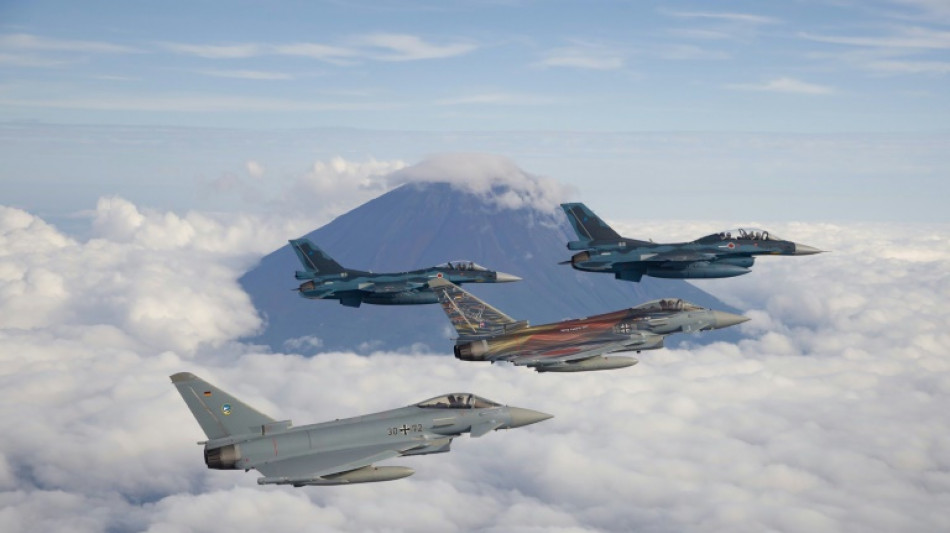
Japan PM wants defence budget to reach 2% of GDP by 2027 / Photo: © Japan's Ministry of Defense/AFP/File

 Kinshasa urban train back on track after years to beat gridlock

 Merino crossbreeding plan tests Himachal Pradesh wool ambitions

 Pringles launches thicker Dippers range for US snack market

 US and Venezuela announce 65-billion-barrel oil development agreement

 Assistance-dog dispute puts Great Bernera community groups under financial strain

 Sello Hatang remembers actor Sol Rachilo through a personal archive

 UN committee calls on South Africa to dismantle racist vigilante groups

 South African creators seek stronger businesses beyond brand partnerships

 Syria warns Israeli actions could push region toward wider war

 East Midlands Railway warns of bank holiday disruption at St Pancras

 Six treated after sign falls at Big Church Festival in West Sussex

 Norway, in mourning, enters a new era under Haakon VIII

 Number of missing in Nepal, China floods soars to nearly 3,000

 Number of missing in Nepal, China floods soars past 2,400
 Trump announces deal for huge US stake in Venezuelan oil reserves

 Kane confirms talks on Bayern extension

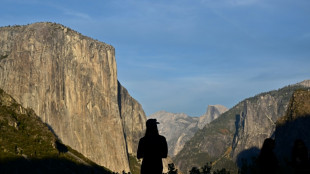 Trump govt. mulls deal to give away part of Yosemite park

 Indian release of Sonia Gandhi memoir uncertain after publisher clarification

 Cities show cleaner transport policies can reduce severe air pollution

 Four patients harmed in Nashville hospital medication mix-up

 Essex council hires private guards as Wethersfield asylum centre expands

 Haakon VIII becomes Norway's king after Harald V dies at 89

 Six injured after sign falls at Christian festival in West Sussex

 Dubai airport expands scanners that keep laptops and liquids in bags

 Kuwait and Pakistan sign military cooperation agreement

Japanese Prime Minister Fumio Kishida has told his cabinet to increase defence spending to two percent of GDP by 2027, up from a longstanding level of around one percent.
Kishida announced the plan to his defence and finance ministers late Monday, as Japan overhauls its defence and security strategies to address growing threats from China as well as the changing geopolitical landscape after Russia's invasion of Ukraine.
In August, the defence ministry submitted a $40 billion budget request, but the figure will not be finalised until the government completes updates to several defence policies.
"We'll take budgetary measures to increase spending on defence and other outlays to two percent of current GDP by 2027," Defence Minister Yasukazu Hamada told reporters after talks with Kishida.
Japan's defence spending has been set at around one percent of GDP or less for decades, but Kishida's Liberal Democratic Party has signalled plans to boost that figure closer to the NATO standard of two percent.
Growing pressure from China, including military exercises and the presence of boats around islands disputed with Japan, as well as Russia's invasion of its neighbour, have helped build support for increased spending.
A series of missile launches by North Korea, including some that have travelled over Japan, have also sharpened views.
The issue has been controversial in Japan for several reasons, including the country's pacifist post-war constitution, which limits its military capacity to ostensibly defensive measures.
Local media said one target of additional spending would be "counterstrike" capacity -- weapons that can target enemy missile launch sites and are described by Tokyo as defensive.
A poll published by the Kyodo news agency on Monday found over 60 percent of respondents favoured obtaining a "counterstrike capability".
Another contentious issue is how to pay for additional defence spending, with higher taxes unpopular, including inside Kishida's LDP.
Japan's government is already saddled with enormous costs associated with an ageing and shrinking population, as well as the post-pandemic recovery and fallout from the war in Ukraine.
The Kyodo poll found around a third of respondents favour spending cuts elsewhere in the government's budget to pay for increased defence spending.
Just over 22 percent backed increased corporate taxes, and 13 percent favour the issuing of government bonds.
T.Bondarenko--BTB