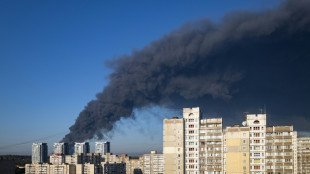
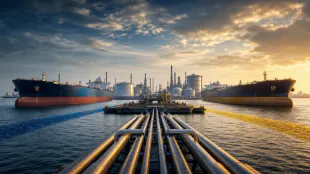
G7, EU agree oil price cap to reduce Russia war funding / Photo: © AFP

 Manchester Airports Group Cyberattack: 8.7 Million Customer Records Exposed

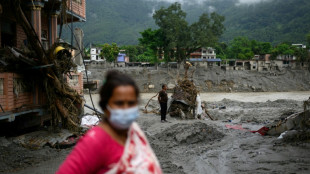 Nepal floods leave trail of destruction, aid challenge
 Experts outline sustainable ways to declutter Australian homes

 Bulk book purchases feed AI training through destructive scanning

 George and Amal Clooney attend Lake Como event after France evacuation
 Michelle Obama describes relief and adjustment after daughters leave home
 Very strong El Niño forecast to peak during southern African summer

 SAFA opens tender for dressing rooms, ablutions and grandstands

 TEEKS brings Māori-rooted soul and a new view of masculinity to South Africa

 Saudi customs seize 1.95 million amphetamine pills in lentil shipment
 Trump says Russia will not attack NATO as CIA chief visits Moscow
 British Museum schedules new Bayeux Tapestry ticket release
 From forced labour to living heritage: Sao Tome's colonial plantations
 Motorola September 2026 Deals: Up to $700 Off Razr Ultra and Moto G
 In war-split Myanmar 'spirit consorts' commune across divide
 Leaders of Russia, China, Iran to attend summit in Kyrgyzstan
 Hovland and Gerard share lead at Tour Championship
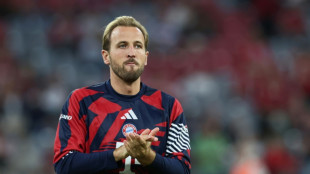
 Maresca salutes 'unbelievable' Cherki after Man City star sinks Palace

 Marquinhos rescues last-gasp draw for PSG at Lille in Ligue 1

 ICE detains British far-right activist Milo Yiannopoulos in Louisiana

 Milo Yiannopoulos held by ICE after missing immigration hearing

 Six Flags closes X2 rollercoaster after reports of severe brain injuries
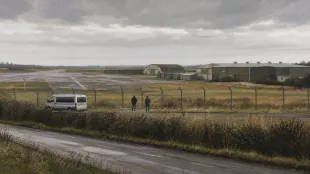
 Jury ends second day without verdict in Lindsay Clancy murder trial
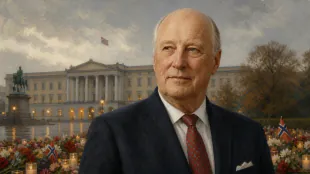
 Artist says criticised Ronnie O'Sullivan mural is unfinished

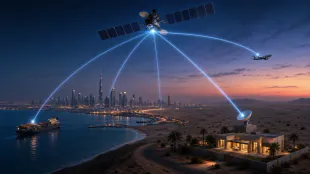 UAE grants Starlink 10-year satellite broadband licence

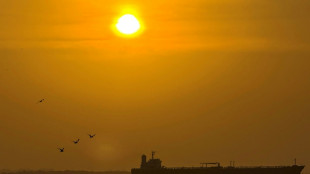
The G7 and EU on Friday agreed a $60-per-barrel price cap on Russian oil in an attempt to deny the Kremlin of war resources, as President Vladimir Putin said more strikes on Ukrainian infrastructure were "inevitable".
The price cap, previously negotiated on a political level between the G7 group of wealthy democracies and the European Union, will come into effect with an EU embargo on Russian crude oil from Monday.
The embargo will prevent shipments of Russian crude by tanker vessel to the EU, which account for two thirds of imports, potentially depriving Russia's war chest of billions of euros.
"The G7 and Australia... reached consensus on a maximum price of 60 US dollars per barrel for seaborne Russian origin crude oil in line with" the European Union, the G7 said in a statement.
The G7 said it was delivering on its vow "to prevent Russia from profiting from its war of aggression against Ukraine, to support stability in global energy markets and to minimise negative economic spillovers of Russia's war of aggression".
Poland had refused to back the price cap plan over concerns the ceiling was too high, before its ambassador to the bloc confirmed Warsaw's agreement on Friday evening.
The price cap is designed to make it harder to bypass the sanctions by selling beyond the EU.
Poland's ambassador Andrzej Sados also said Brussels would take into account Polish and Baltic state suggestions for a "painful and expensive" ninth round of sanctions against Moscow.
The White House described the deal as "welcome news", saying a price cap will help limit Putin's ability to fund the Kremlin's "war machine".
- Infrastructure strikes 'inevitable' -
After suffering humiliating defeats during what has become the largest armed conflict in Europe since World War II, Russia began targeting Ukrainian energy infrastructure in October, causing sweeping blackouts.
Putin said Russian strikes on Ukrainian infrastructure were "inevitable", in his first conversation with German Chancellor Olaf Scholz since mid-September.
"Such measures have become a forced and inevitable response to Kyiv's provocative attacks on Russia's civilian infrastructure," Putin told Scholz, according to a Kremlin readout of the telephone talks.
The Kremlin leader referred in particular to the October attack on a bridge linking Moscow-annexed Crimea to the Russian mainland.
During the hour-long call, Scholz "urged the Russian president to come as quickly as possible to a diplomatic solution including the withdrawal of Russian troops", according to the German leader's spokesman.
But Putin urged Berlin to "reconsider its approaches" and accused the West of carrying out "destructive" policies in Ukraine, the Kremlin said, stressing that its political and financial aid meant Kyiv "completely rejects the idea of any negotiations".
Ukrainian President Volodymyr Zelensky had ruled out any talks with Russia while Putin is in power shortly after the Kremlin claimed to have annexed several Ukrainian regions.
- Talks off the table -
The Kremlin also indicated Moscow was in no mood for talks over Ukraine, after US President Joe Biden said he would be willing to sit down with Putin if the Russian leader truly wanted to end the fighting.
"What did President Biden say in fact? He said that negotiations are possible only after Putin leaves Ukraine," Putin's spokesman Dmitry Peskov told reporters, adding Moscow was "certainly" not ready to accept those conditions.
The White House, meanwhile, sought to pour water on the idea of talks as well on Friday, saying Biden currently has "no intention" of sitting down with Putin.
But Washington did say it was ready to meet on a different issue, expressing disappointment that Russia had postponed talks on nuclear arms control.
Russia's strikes have destroyed close to half of the Ukrainian energy system and left millions in the cold and dark at the onset of winter.
In the latest estimates from Kyiv, Mykhaylo Podolyak, an adviser to Zelensky, said as many as 13,000 Ukrainian troops have died in the fighting.
Both Moscow and Kyiv are suspected of minimising their losses to avoid damaging morale.
Top US general Mark Milley last month said more than 100,000 Russian military personnel have been killed or wounded in Ukraine, with Kyiv's forces likely suffering similar casualties.
Those who remain in the country have had to cope with emergency blackouts as authorities sought to relieve the pressure on the energy infrastructure.
W.Lapointe--BTB