-
 Manchester Airports Group Cyberattack: 8.7 Million Customer Records Exposed
-
CGBio’s Novosis Achieves Bone Union in All Seven Patients in Scaphoid Nonunion Study

-
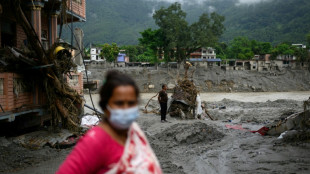 Nepal floods leave trail of destruction, aid challenge
-
Kinshasa urban train back on track after years to beat gridlock
-
 Experts outline sustainable ways to declutter Australian homes
-
Merino crossbreeding plan tests Himachal Pradesh wool ambitions
-
 Bulk book purchases feed AI training through destructive scanning
-
Pringles launches thicker Dippers range for US snack market

-
 George and Amal Clooney attend Lake Como event after France evacuation
-
US and Venezuela announce 65-billion-barrel oil development agreement

-
 Michelle Obama describes relief and adjustment after daughters leave home
-
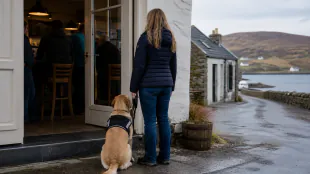
Assistance-dog dispute puts Great Bernera community groups under financial strain
-
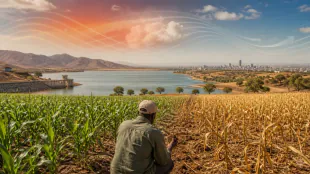 Very strong El Niño forecast to peak during southern African summer
-
Sello Hatang remembers actor Sol Rachilo through a personal archive

-
 SAFA opens tender for dressing rooms, ablutions and grandstands
-
UN committee calls on South Africa to dismantle racist vigilante groups

-
 TEEKS brings Māori-rooted soul and a new view of masculinity to South Africa
-
South African creators seek stronger businesses beyond brand partnerships

-
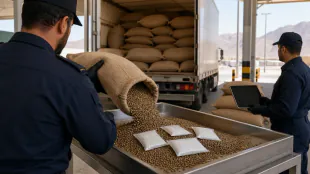 Saudi customs seize 1.95 million amphetamine pills in lentil shipment
-
Syria warns Israeli actions could push region toward wider war
-
 Trump says Russia will not attack NATO as CIA chief visits Moscow
-
East Midlands Railway warns of bank holiday disruption at St Pancras

-
 British Museum schedules new Bayeux Tapestry ticket release
-
Six treated after sign falls at Big Church Festival in West Sussex

-
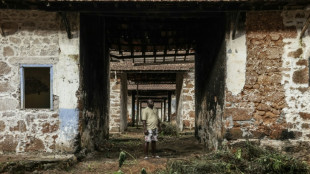 From forced labour to living heritage: Sao Tome's colonial plantations
-
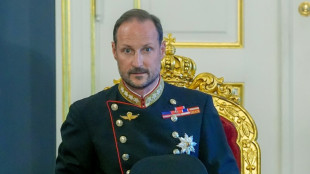
Norway, in mourning, enters a new era under Haakon VIII
-
 Motorola September 2026 Deals: Up to $700 Off Razr Ultra and Moto G
-
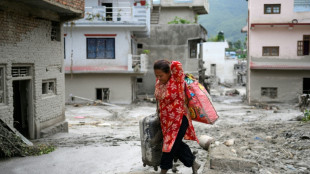
Number of missing in Nepal, China floods soars to nearly 3,000
-
 In war-split Myanmar 'spirit consorts' commune across divide
-
Number of missing in Nepal, China floods soars past 2,400
-
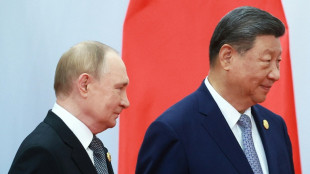 Leaders of Russia, China, Iran to attend summit in Kyrgyzstan
-
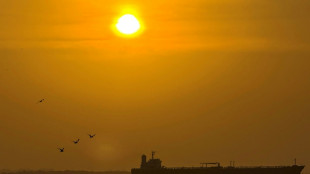
Trump announces deal for huge US stake in Venezuelan oil reserves
-
 Hovland and Gerard share lead at Tour Championship
-
Kane confirms talks on Bayern extension

-
 Maresca salutes 'unbelievable' Cherki after Man City star sinks Palace
-
Trump govt. mulls deal to give away part of Yosemite park

-
 Marquinhos rescues last-gasp draw for PSG at Lille in Ligue 1
-
Indian release of Sonia Gandhi memoir uncertain after publisher clarification

-
 ICE detains British far-right activist Milo Yiannopoulos in Louisiana
-
Cities show cleaner transport policies can reduce severe air pollution

-
 Milo Yiannopoulos held by ICE after missing immigration hearing
-
Four patients harmed in Nashville hospital medication mix-up

-
 Six Flags closes X2 rollercoaster after reports of severe brain injuries
-
Essex council hires private guards as Wethersfield asylum centre expands

-
 Jury ends second day without verdict in Lindsay Clancy murder trial
-
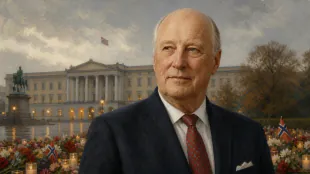
Haakon VIII becomes Norway's king after Harald V dies at 89
-
 Artist says criticised Ronnie O'Sullivan mural is unfinished
-
Six injured after sign falls at Christian festival in West Sussex

-
 UAE grants Starlink 10-year satellite broadband licence
-
Dubai airport expands scanners that keep laptops and liquids in bags

OPEC+ to keep output unchanged in uncertain climate
Major oil-producing countries led by Saudi Arabia and Russia agreed Sunday to maintain their current output levels in a climate of uncertainty and ahead of fresh sanctions against Moscow coming into force next week.
The representatives of the thirteen members of the Organization of the Petroleum Exporting Countries (OPEC) led by Riyadh, and their 10 allies headed by Moscow, decided to stick to their course agreed in October of a production cut of two million barrels per day until the end of 2023.
Sunday's widely anticipated move was no "big surprise" given that the economy has been "slowing somewhat, pushing oil prices below $90, despite the lower production levels," analyst Hans van Cleef with ABN AMRO said.
Collectively known as OPEC+, the alliance said Sunday that its October decision to cut output was "purely driven by market considerations", adding that it had been the "necessary and right course of action towards stabilizing global oil markets".
The OPEC+ output reduction in October represented the biggest cut since the height of the Covid pandemic in 2020, a move denounced by the United States as a concession to Moscow.
The next OPEC+ ministerial meeting is scheduled for June 4, 2023.
But the alliance said it was ready to "meet at any time and take immediate additional measures" to address market developments and support the oil market if necessary.
- Spotlight on Russia -
On Friday, the EU, G7 and Australia agreed a $60-per-barrel price cap on Russian oil, which will come into effect on Monday or soon after, alongside an EU embargo on maritime deliveries of Russian crude oil.
It will prevent seaborne shipments of Russian crude to the European Union, which account for two thirds of the bloc's oil imports from Russia, an attempt to deprive Moscow's war chest of billions of euros.
"We will sell oil and oil products to countries that will work with us on market terms, even if we have to reduce production somewhat," Russia's Deputy Prime Minister Alexander Novak said after Sunday's quick meeting via videoconference.
Even though "inflation, the tightening of monetary policies and China's Covid-19 epidemic" were posing risks to the market, it was still "in a better state than two months ago", Novak said, according to Russian news agencies.
"We are currently working on mechanisms to prohibit the use of the price cap tool at any level", Novak added, stating that "such interference" could only cause "further market destabilization and scarcity of energy resources".
Moscow had repeatedly denounced the incoming oil price cap, threatening to suspend deliveries to any country that adopted the measure.
But Ukraine suggested on Saturday that the cap should have been set even lower.
For OPEC+, the big unknown in the oil equation is how heavily sanctions will hit Russian supply.
"Uncertainty on the impact on Russian oil production coming from the EU ban... and the G7 price cap and some easing of mobility restrictions in China likely supported the decision for a rollover," UBS analyst Giovanni Staunovo said.
"The upside risks for oil prices from this point on will increase" due to the announced EU and G7 measures in combination with supply and demand expected to remain unchanged, Van Cleef said.
- An 'uncomfortable position' -
Moscow's threat to suspend deliveries to countries abiding by the price cap will put "some in a very uncomfortable position", said OANDA analyst Craig Erlam, "choosing between losing access to cheap Russian crude or facing G7 sanctions".
Amid economic gloom fuelled by soaring inflation and fears of China's weaker energy demand due to its Covid-related restrictions, the two global crude benchmarks remained close to their lowest level of the year, far from their March peaks.
Since the group's last meeting in early October, Brent North Sea oil and its US equivalent WTI have lost more than six percent of their value.
Moving forward, OPEC+ might still feel compelled to adopt "a more aggressive stance" by cutting or threatening to cut production, UniCredit analyst Edoardo Campanella said.
"Russia might also retaliate by leveraging its influence within OPEC+ to push for more production cuts down the road, thus exacerbating the global energy crisis," he added.
F.Pavlenko--BTB