-
 Virus kills tiger cubs in Indonesian zoo
-
Indonesian kids brace themselves for social media ban

-
 No fans, no fireworks as Pakistan T20 league begins with a hush
-
Piastri outshines Mercedes duo to go fastest in Japan practice

-
 New Zealand, Australia say Olympic gender rules bring 'clarity'
-
Gabon battles for baby sea turtles' survival

-
 Hungarians' growing anger at living in EU's 'most corrupt state'
-
Mexico's navy says two boats ferrying aid to Cuba are missing

-
 Germany eyes Australian 'Ghost Bat' for drone combat era
-
Nepali rapper to be sworn in as new prime minister

-
 Cryptocurrencies aiding Iran during war
-
Myanmar travellers ride the rails as fuel prices rise

-
 Bolivia, Jamaica close in on World Cup after playoff wins
-
Tech-equipped Indigenous firefighters protect Thai forests
-
 Sacred leaf offers hope for Vanuatu's threatened forests
-
Mercedes' Russell fastest in first practice for Japan GP

-
 Sabalenka, Sinner keep 'Sunshine Double' in sight with Miami Open wins
-
AI used to make 'fetishised' images of disabled women

-
 Oil drops as Trump pauses Iran strikes, but stock traders nervous
-
Parents sacrificed all for 15-year-old India prodigy Suryavanshi

-
 Sabalenka subdues Rybakina to reach Miami Open final
-
Newcomers could threaten Christiania's hippie soul, locals fear

-
 Hornets sting Knicks to maintain playoff push
-
German 'green village' rides out Mideast energy storm
-
 US in the spotlight at WTO meet
-
Cyclone triggers outages at major Australian LNG plants

-
 US judge suspends govt sanctions on AI company Anthropic
-
US currency to bear Trump's signature, Treasury says

-
 Bolivia beat Suriname 2-1 to advance in World Cup playoffs
-
Ukraine destroys Russian terror-oil exports
-
 Mets hammer Pirates on historic day of MLB openers
-
Italy stay in World Cup hunt as Wales, Ireland suffer penalty heartbreak

-
 Italy need to climb "Everest" in World Cup play-of final: Gattuso
-
Czechs fight back to beat Ireland in World Cup play-off

-
 Wales' World Cup dream ended by Bosnia and Herzegovina
-
Mbappe on target as France shrug off red card to beat Brazil

-
 Italy beat Northern Ireland to keep World Cup hopes alive
-
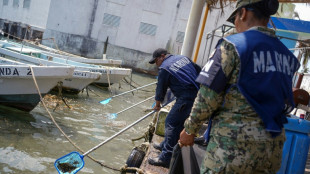
Mexico blames oil slick on illegal dumping
-
 Gyokeres treble sends Sweden past Ukraine in World Cup play-offs
-
OpenAI shelves plans for erotic chatbot

-
 Klopp hails Salah as one of Liverpool's 'all-time greats'
-
Sinner and Gauff advance with ease at Miami Open

-
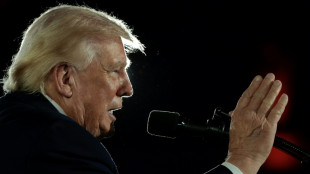 Trump pushes back Iran strikes deadline
-
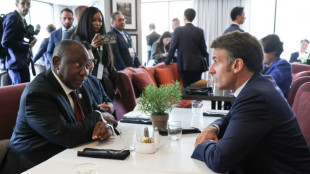
South Africa disinvited from G7 in France
-
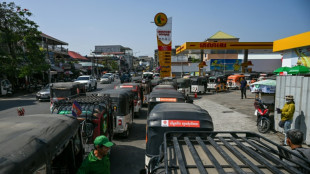 Oil climbs, stocks slide as Iran war uncertainty reigns
-
Alexander-Arnold must accept 'unfair' England snub, says Tuchel

-
 Ko fires 60 to grab early lead at LPGA Ford Championship
-
Arctic sea ice at lowest level ever this winter

-
 Oscars to leave Hollywood in 2029: Academy
-
Trump denies he's desperate for Iran deal, Israel short on troops
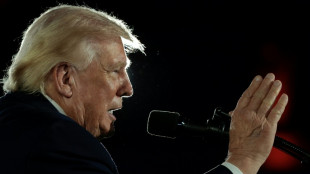
East Asia united against Trump
In an unprecedented move, China, Japan and South Korea have formed a historic alliance to take joint action against the United States and, in particular, against the policies of President Donald Trump. This unusual cooperation between the three East Asian countries, which have often been marked by conflict and rivalry throughout their history, marks a turning point in global geopolitics and could have far-reaching implications for the global economy and international relations.
Overcoming historical tensions
Relations between China, Japan and South Korea have often been marked by mistrust and territorial disputes in the past. Historical conflicts in particular, such as Japan's occupation of China in the 1930s and the atrocities associated with it, have left deep scars. There are also ongoing tensions between South Korea and Japan that date back to the period of Japanese colonial rule. Nevertheless, these countries have now decided to put their differences aside and join forces against what they perceive as threatening US policies.
Reaction to Trump's tariff policy
The main reason for this alliance is the aggressive tariff policy of the US under President Trump. Since taking office, Trump has pursued a protectionist trade policy aimed at strengthening the US economy by imposing high tariffs on imports from various countries, particularly China, Japan and South Korea. These tariffs have significantly affected these countries' exports to the US and led to considerable economic losses. In response, the three countries have decided to work more closely together and develop joint strategies to counter the economic pressure from the US.
Historic meetings and agreements
A decisive step in this direction was the meeting of the trade ministers of China, Japan and South Korea in Seoul, which was described as historic. At this meeting, the first of its kind in over five years, the ministers agreed to accelerate negotiations on a trilateral free trade agreement. This agreement is intended to facilitate trade between the three countries and reduce their dependence on the US. In addition, they agreed to work more closely together to strengthen supply chains and promote the digital and green economy.
Political dimension
The alliance also has a strong political dimension. In a joint statement, the three countries emphasised the need for a ‘predictable environment for trade and investment’ and criticised the US's unilateral trade measures as destabilising for the global economy. This statement can be interpreted as a direct message to the US government that the East Asian countries are not prepared to accept the tariffs imposed by Trump without protest.
Possible implications
The implications of this alliance could be far-reaching. On the one hand, it could accelerate economic integration in East Asia and lead to a shift in global trade flows. If China, Japan and South Korea strengthen their trade relations with each other, this could reduce the importance of the US as a trading partner for these countries. On the other hand, the alliance could also have political and security implications. Traditionally, Japan and South Korea are close allies of the US in the region, and closer cooperation with China could call the existing alliance system into question.
Reactions from Washington
This development has caused concern in Washington. The US government fears that the alliance could weaken American influence in East Asia and jeopardise the US's strategic position in the region. In particular, the prospect of a trilateral free trade agreement is seen as a threat to the US economy, as it could make it more difficult for American companies to access the lucrative markets in China, Japan and South Korea.
A new model of cooperation
Despite the challenges this alliance poses, there are also voices that see it as an opportunity for a multipolar world order. Cooperation between China, Japan and South Korea could serve as a model for a new form of regional cooperation based on economic integration and mutual respect rather than hegemonic claims.
Outlook
Overall, the historic alliance between China, Japan and South Korea marks a turning point in global geopolitics. It is a direct response to the protectionist policies of the US under President Trump and could permanently change the balance of power in the world. It remains to be seen how this alliance will develop in the coming years and what impact it will have on the international order.
Trump fears Asia's oil shock
Calm or Chaos: Iran’s reach

BlackRock fund freeze panic
Iran-War and dangerous Lines
30 Days to Save the Economy?
No red lines: Israel vs Iran

Cuban regime nears collapse

Iran and the holy War risk

Is that Israel's final blow?

Israel presses Tehran

Iran lifts Dollar, sinks Euro