-
 Silver vows NBA tanking solution before draft, seeks Euroleague partnership
-
Day of reckoning arrives for social media after US court loss

-
 World Cup concerns are exaggerated, says FIFA vice-president
-
NBA team owners approve exploring expansion to Seattle and Las Vegas
-
 UK teenagers to trial social media bans, digital curfews
-
World champions England still 'unfinished' ahead of Six Nations, says Mitchell

-
 Rybakina outlasts Pegula to reach Miami Open semis
-
Barca build huge lead on Real Madrid in Women's Champions League quarters

-
 Alleged Rihanna mansion shooter pleads not guilty
-
US says Iran talks continue, will 'unleash hell' if no deal
-
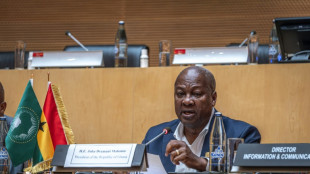 UN designates African slave trade as 'gravest crime against humanity'
-
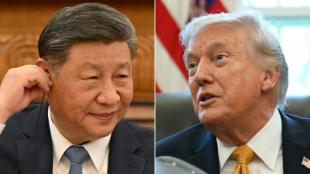
Trump's Beijing trip rescheduled for May, after Iran delay
-
 No more excuses: World Cup pressure is on for host USA
-
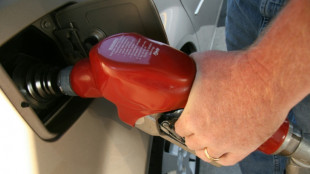
US EPA issues waiver for E15 fuel to address oil supply issues
-
 Grieving families hail court victory against Instagram, YouTube
-
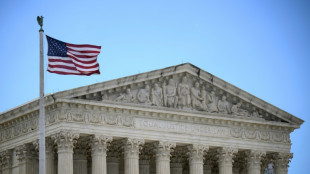
Internet providers not liable for music piracy by users: top US court
-
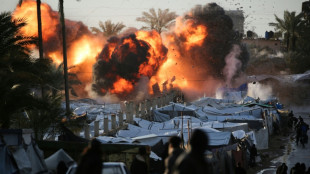 Gaza civil defence says Israeli strike kills one, tents on fire
-
UK govt denies cover-up after PM ex-aide's phone stolen
-
 California jury finds Meta, YouTube liable in social media addiction trial
-
Oil prices slip, stocks rally on Mideast peace hopes
-
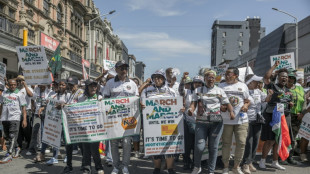 South Africa police clash with anti-immigrant protesters
-
Gattuso says Italy's World Cup play-off 'biggest match' of career

-
 Sakamoto leads skating swansong with 'Time to Say Goodbye' at worlds
-
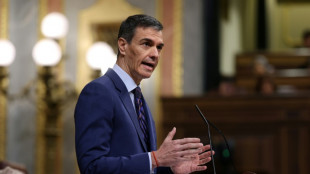
Spanish PM says Middle East war 'far worse' than Iraq in 2003
-
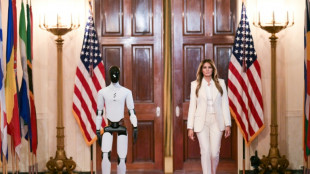 First Robot: Melania Trump brings droid to White House event
-
Oldest dog DNA suggests 16,000 years of human companionship

-
 Iran media casts doubt on US peace plan
-
Rare mountain gorilla twins born in DR Congo: park authorities

-
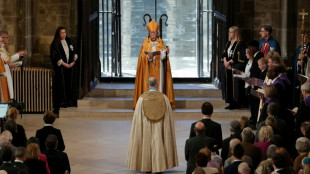 Ex-midwife enthroned as first female Archbishop of Canterbury
-
AC Schnitzer: When Iconic Tuners Fall Silent
-
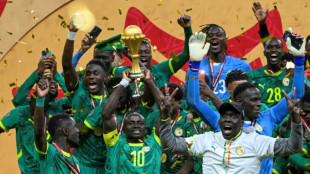 Senegal lodge appeal to Court of Arbitration for Sport over AFCON final decision
-
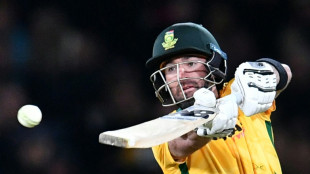
South Africa seal T20 series win in New Zealand
-
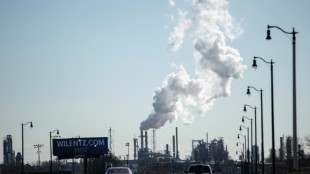 Study links major polluters to big climate damages bill
-
Ex-Google chief Matt Brittin made new BBC director-general
-
 Iran likely behind attacks sowing fear among Europe's Jews: experts
-
'Relieved' McGrath claims career first crystal globe in slalom

-
 US ski star Shiffrin wins overall World Cup title for sixth time
-
Trump names tech titans to science advisory council
-
 Mideast war sparks long queues at Kinshasa petrol stations
-
US TV star details 'agony' over mother's disappearance

-
 Tehran receives US plan to end Mideast war, as Iran fires at US carrier
-
Aviation, tourism, agriculture... the economic sectors hit by the war
-
 Iran fires at US carrier as backchannel diplomacy aims to end war
-
Salah's long goodbye brings curtain down on golden era for Liverpool
-
 Monaco: city of vice and a few virtues
-
AI making cyber attacks costlier and more effective: Munich Re
-
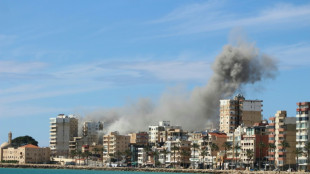 Defying Israeli bombs, Lebanese hold out in southern city of Tyre
-
War-linked power crunch pushes Sri Lanka to four-day week

-
 Hungary says will phase out gas deliveries to Ukraine
-
Oil prices tumble, stocks rally on Mideast peace hopes
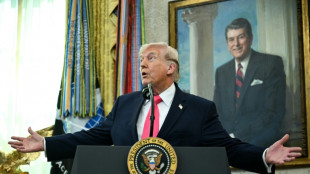
Iran's nuclear dilemma: peace or war?
Iran faces a dilemma: should it abandon its controversial nuclear programme in order to avoid international sanctions and avert a possible military conflict, or should it continue to insist on its right to peaceful use of nuclear energy, even if this increases the risk of war? This question has preoccupied the international community for years, and tensions have recently risen again.
Iran's nuclear programme began in the 1950s with US support under the ‘Atoms for Peace’ programme. In 1967, another reactor was delivered from the US, and in 1970 Iran ratified the Nuclear Non-Proliferation Treaty (NPT). However, after the Islamic Revolution in 1979, the programme was secretly continued. In 2002, undeclared nuclear activities were discovered, leading to an investigation by the International Atomic Energy Agency (IAEA) and international sanctions.
In 2015, the Joint Comprehensive Plan of Action (JCPOA) was signed, in which Iran committed to limiting its nuclear programme in exchange for the lifting of sanctions. In 2018, the United States withdrew from the agreement under President Trump and imposed new sanctions. Iran then began to exceed the limits set out in the JCPOA.
According to recent IAEA reports, Iran has significantly expanded its uranium enrichment. In February 2025, the country had just under 275 kilograms of uranium enriched to 60 per cent. Experts estimate that Iran is only a few months away from having enough fissile material for a nuclear bomb. According to US officials and IAEA experts, Iran has enough enriched uranium for at least three nuclear bombs and could build a primitive bomb within a few months.
Despite the tensions, efforts are being made to find a diplomatic solution. In April 2025, indirect talks between the US and Iran took place in the Sultanate of Oman. Both sides spoke of a ‘constructive and positive atmosphere’. However, Iran rejects direct negotiations with the US and insists that the US must first lift sanctions. A senior Iranian official, Ali Shamkhani, rejected a US offer to allow Iran to have a civilian nuclear programme similar to that of the UAE, arguing that Iran would not give up its right to enrich uranium. Despite the negotiations, Iran is continuing its uranium enrichment, and planned talks with the US have been cancelled, further increasing tensions.
A nuclear-armed Iran could lead to a nuclear arms race in the Middle East and threaten regional stability. There is also a risk of military conflict, which would have far-reaching consequences. The US and Israel have repeatedly threatened military strikes if Iran does not halt its nuclear programme. Some experts argue that destroying the nuclear facilities would not be enough and that a complete overthrow of the regime would be necessary to eliminate the threat.
Iran could abandon its nuclear programme and in return achieve the lifting of sanctions and a normalisation of relations with the West. Alternatively, it could continue to insist on its right to the peaceful use of nuclear energy, but this would increase the risk of further sanctions and possible military action. The decision will also be influenced by internal factors, such as the precarious economic situation and strong nationalist sentiment in the country.
Iran's nuclear dilemma remains one of the greatest challenges facing the international community. A peaceful solution requires diplomatic skill, a willingness to compromise and the trust of all parties involved. The alternative – military conflict – would be disastrous for all sides.
Finance’s Role in Economic Ruin
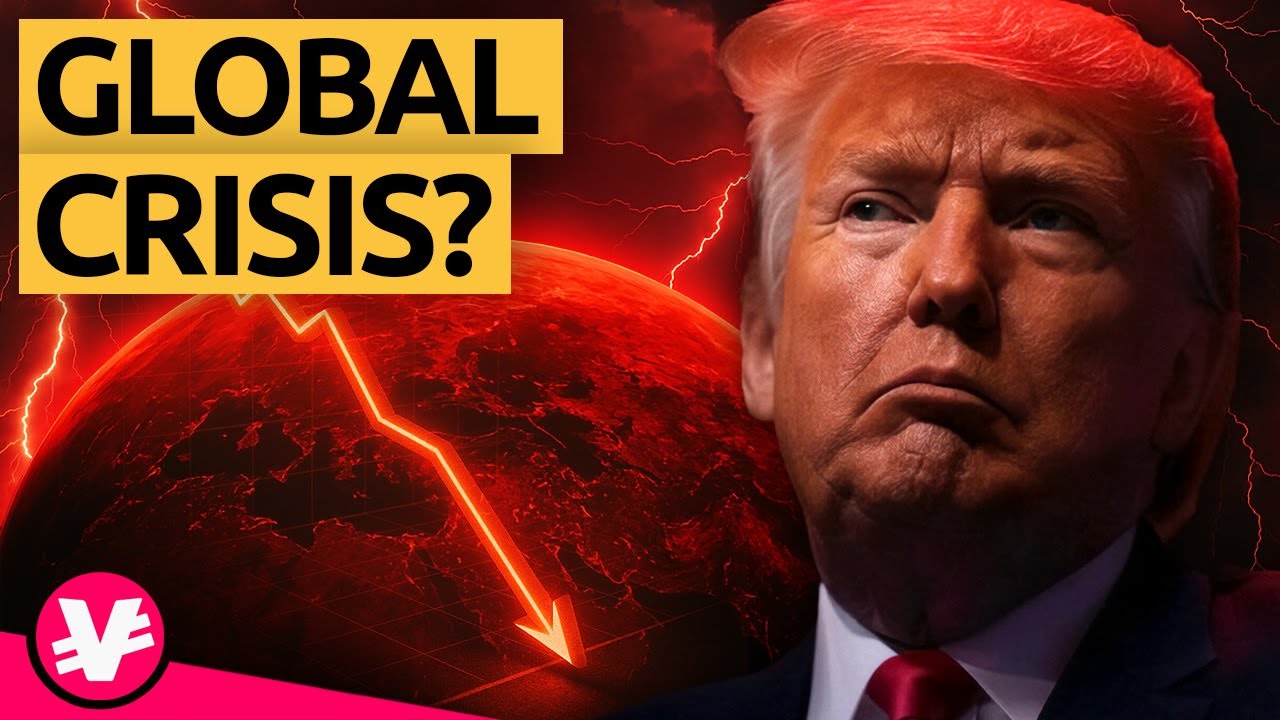
Trump’s Tariffs Spark Global Fear
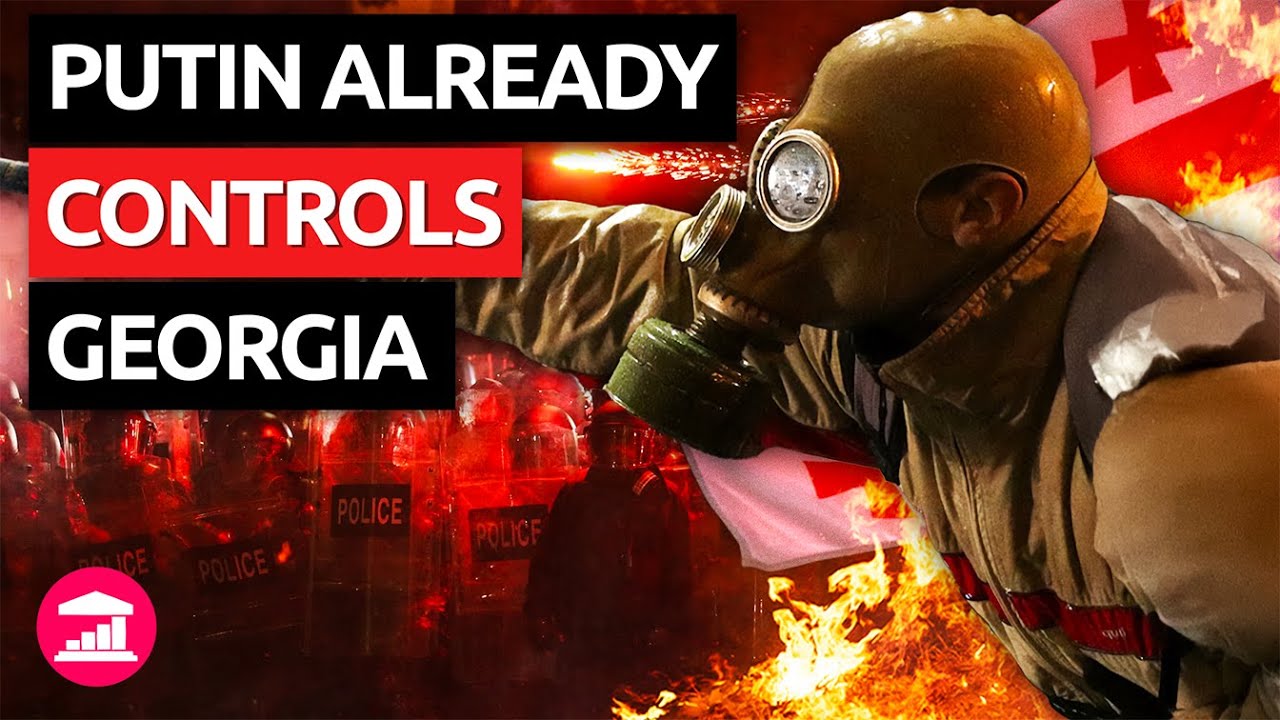
Georgia Slips into Russia’s Grasp
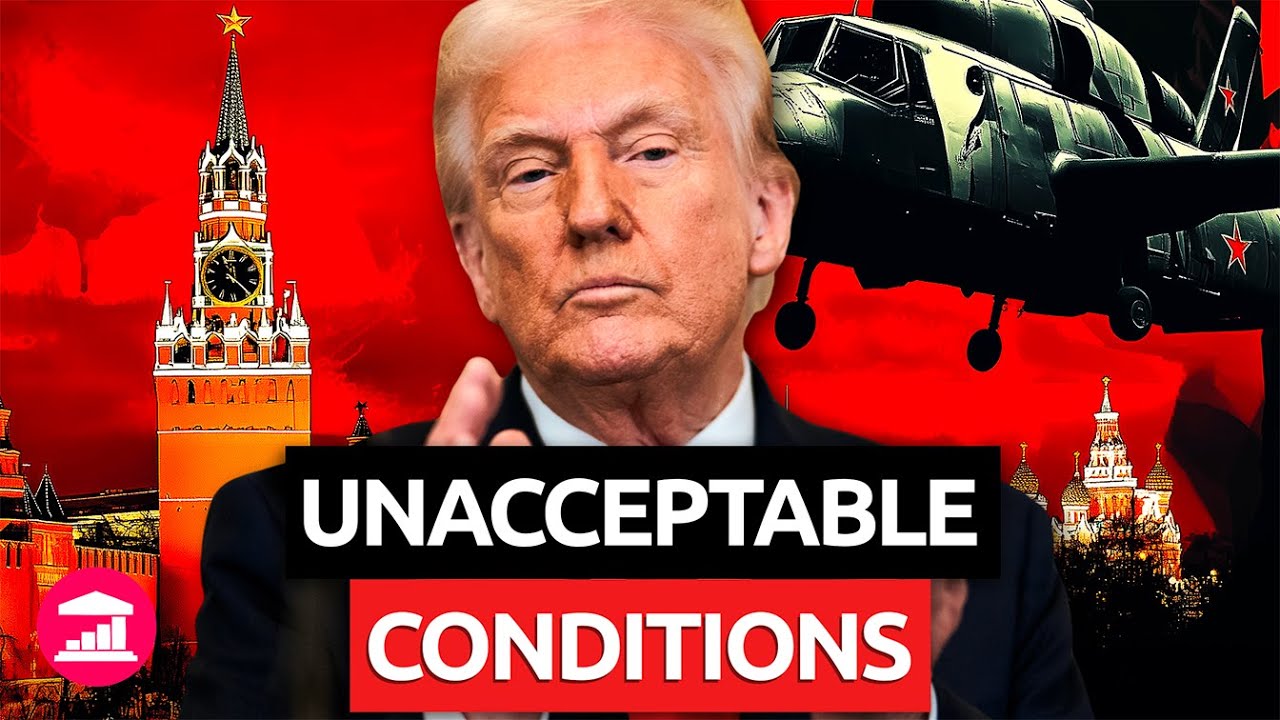
Trump’s Ukraine Economic Colony Plan Stirs Debate
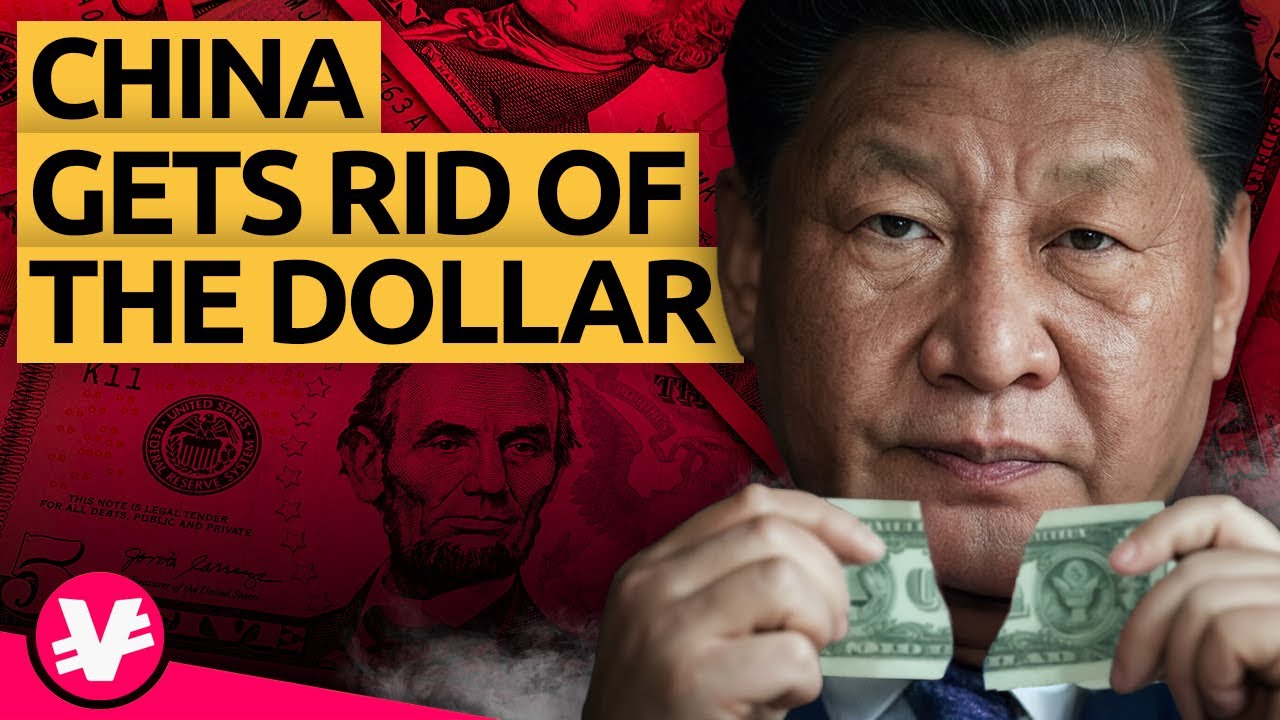
China Targets Dollar at US Critical Moment
EU Pledges €800 Billion for Defence to Deter Russia
Israel escalates War to crush Hamas
Trump, Putin and the question: What now?
Canada challenges Trump on Tariffs
Nuclear weapons for Poland against Russia?
Rebellion against Trump: "Ready for War?"