-
 Oil prices tumble, stocks rally on Mideast peace hopes
-
Maybach: Between Glory and a Turning Point

-
 German business morale falls as war puts recovery on ice: survey
-
Labubu maker Pop Mart's shares fall 23% despite surging earnings

-
 ECB won't be 'paralysed' in face of energy shock: Lagarde
-
Iran hits targets across Middle East after Trump signals talks progress
-
 McEvoy says best is to come after breaking long-standing swim record
-
Goat vs gecko: A tiny Caribbean island faces wildlife showdown

-
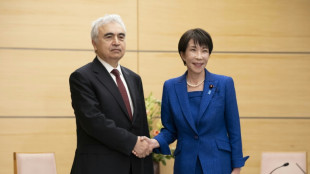 Japan PM asks IEA chief to prepare additional 'coordinated release' of oil
-
Hungary's hard-pressed LGBTQ people say Orban exit is only half battle

-
 Belarus leader visits North Korea for first time
-
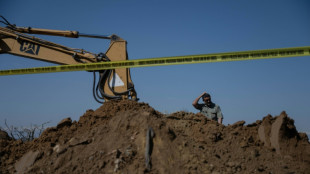
'No heavier burden': the decades-long search for Kosovo war missing
-
 Exotic pet trade thrives in China despite welfare concerns
-
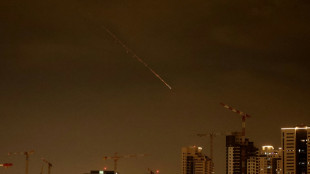
Iran fires missile salvo after Trump signals progress in talks
-
 BTS concert drew 18.4 million viewers, says Netflix
-
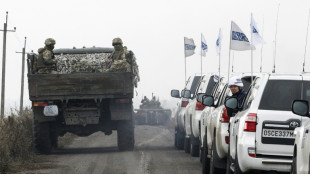
OSCE's 'chaotic' Ukraine evacuation put staff at risk: leaked report
-
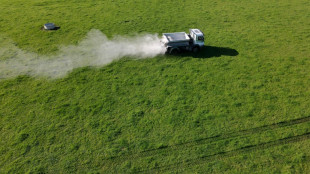 Top WTO official sounds fertiliser warning over Middle East war
-
France and Brazil weigh up World Cup prospects in glamour friendly

-
 Italy hoping to end World Cup pain as play-offs loom
-
Dirty diapers born again in Japan recycling breakthrough

-
 Verstappen's Japan GP win streak under threat as Mercedes dominate
-
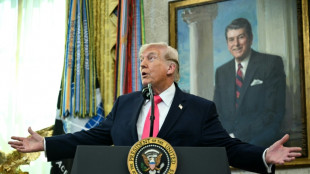
Crude tumbles, stocks rally on hopes for Iran war de-escalation
-
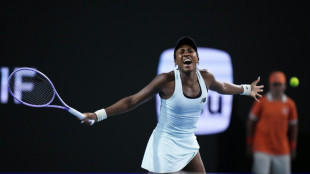 Gauff outlasts Bencic to reach Miami semi-finals
-
'Hero' Australian dog who saved 100 koalas retires

-
 Underdogs chase World Cup berths in Mexico playoff tournament
-
Pope heads to tiny Catholic Monaco

-
 Meet the four astronauts set to voyage around the Moon
-
Artemis 2 Moon mission: a primer

-
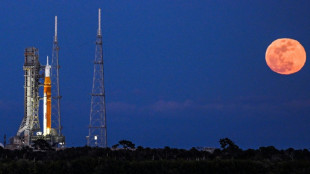 It's go time: historic Moon mission set for lift-off
-
Denmark's PM Mette Frederiksen, tenacious and tough on migration

-
 OpenAI kills Sora video app in pivot toward business tools
-
Danish PM's left-wing bloc wins election, but no majority

-
 Brazil court grants house arrest for jailed Bolsonaro
-
Sinner downs Michelsen to reach Miami Open quarter-finals

-
 Advantage Arsenal in women's Champions League quarter-final against Chelsea
-
Garner dreams of World Cup glory in bid to replicate England under-21 success

-
 New Mexico jury finds Meta liable for endangering children
-
Huge crowd in Buenos Aires marks 50 years since Argentina's coup

-
 Oil, stock trading spiked before Trump's Iran remarks
-
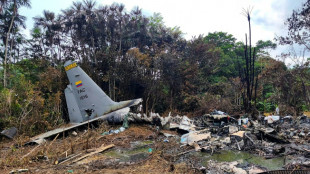
Colombia military plane crash death toll rises to 69
-
 Trump adds Columbus statue, walkway in latest White House makeover
-
Toronto unveils upgraded World Cup venue after fan scorn

-
 Beerensteyn goal gives Wolfsburg edge over Lyon in women's Champions League
-
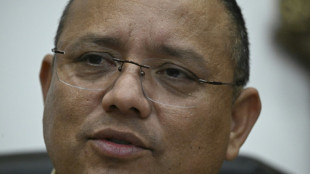
Gang crackdown carried out without 'abuses,' Guatemalan defense chief says
-
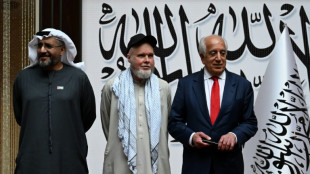 Afghanistan releases detained US citizen
-
Danish PM's left bloc leads election, but no majority

-
 'Illustrious' Salah to leave Liverpool at the end of the season
-
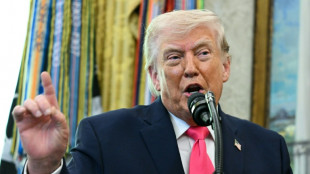
Trump says Iran gave US 'gift' linked to Strait of Hormuz
-
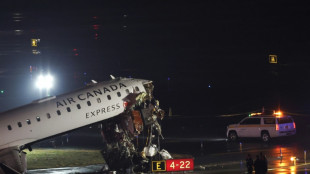 US officials downplay controller 'distraction' in New York crash
-
Salah to leave Liverpool at the end of the season

India-Pakistan War Fears Grow
Tensions between India and Pakistan have escalated dramatically following a series of military exchanges, raising global concerns about the potential for a full-scale war between the two nuclear-armed neighbors. The latest conflict was triggered by a deadly militant attack in Pahalgam, located in Indian-administered Kashmir, which claimed the lives of 26 people, including civilians and tourists. India has accused Pakistan of involvement in the attack, a claim Islamabad has vehemently denied. In response, India launched a series of strikes on what it described as "terrorist infrastructure" in Pakistan and Pakistan-administered Kashmir, marking one of the most significant military actions between the two countries in decades. Pakistan, in turn, has condemned the strikes as an "act of war" and vowed to retaliate, further intensifying the crisis.
The situation has rapidly deteriorated, with both sides engaging in cross-border drone and missile attacks. India has reportedly targeted multiple sites in Pakistan, including locations in Punjab, a province that had not been directly involved in military confrontations since the 1971 Indo-Pakistan war. Pakistan's military claims to have intercepted several Indian drones and missiles, while also launching its own retaliatory strikes. Casualties have been reported on both sides, with Pakistan stating that at least 31 people, including civilians, were killed in the Indian attacks, and India reporting civilian deaths due to Pakistani shelling. The conflict has also seen the use of advanced military technology, including drones and air defense systems, reflecting the modernization of both countries' armed forces in recent years.
The international community has expressed deep concern over the escalating violence. The United Nations has called for "maximum military restraint," warning that the world cannot afford a war between two nuclear powers. The United States has urged both nations to de-escalate, emphasizing the need for dialogue to prevent further violence. Turkey has also weighed in, condemning India's actions and calling for an investigation into the initial militant attack in Kashmir. Despite these diplomatic efforts, the risk of miscalculation remains high, with both India and Pakistan showing little sign of backing down.
Historically, Kashmir has been a flashpoint for conflict between India and Pakistan, with the two countries fighting three wars over the disputed territory since their independence in 1947. The current crisis echoes previous escalations, such as the 2019 Pulwama attack, which led to Indian airstrikes on Pakistani soil and a subsequent aerial dogfight. However, the scale and depth of the recent strikes, particularly into mainland Pakistan, represent a significant escalation. Analysts warn that the lack of crisis management mechanisms and the heated nationalist rhetoric on both sides could push the situation toward a broader conflict, potentially involving nuclear weapons.
As the world watches with growing alarm, the path to de-escalation remains uncertain. Both nations have upgraded their military capabilities in recent years, with India acquiring advanced jets and drones, and Pakistan bolstering its arsenal with modern fighters and drones. This arms race has raised the stakes, making any military engagement more dangerous than in previous confrontations. While neither side is likely to resort to nuclear weapons unless pushed to the brink, the risk of unintended escalation is ever-present. The coming days will be critical in determining whether diplomacy can prevail or if the region will slide into another devastating war.

United Kingdom vs Immigration

Trump's threats to Colombia

COSTCO profits from Fees

AI bust: Layoffs & Rent surge
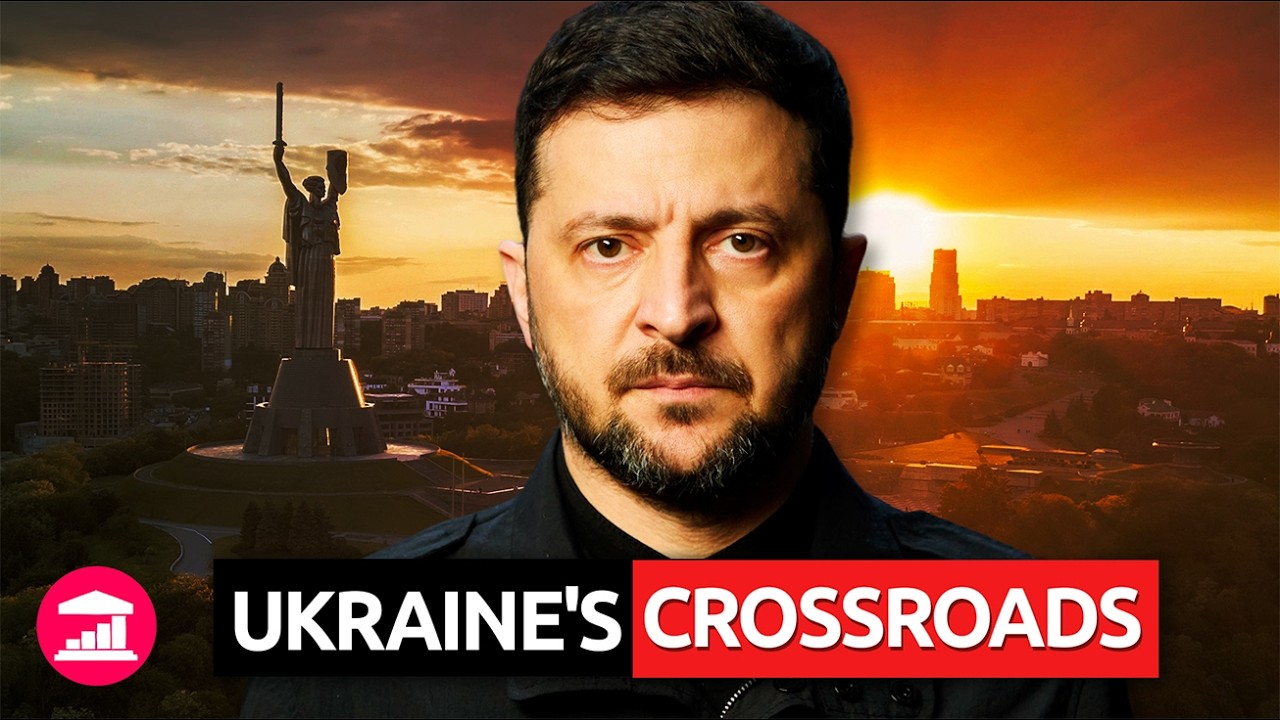
Trap laid, Ukraine walked in
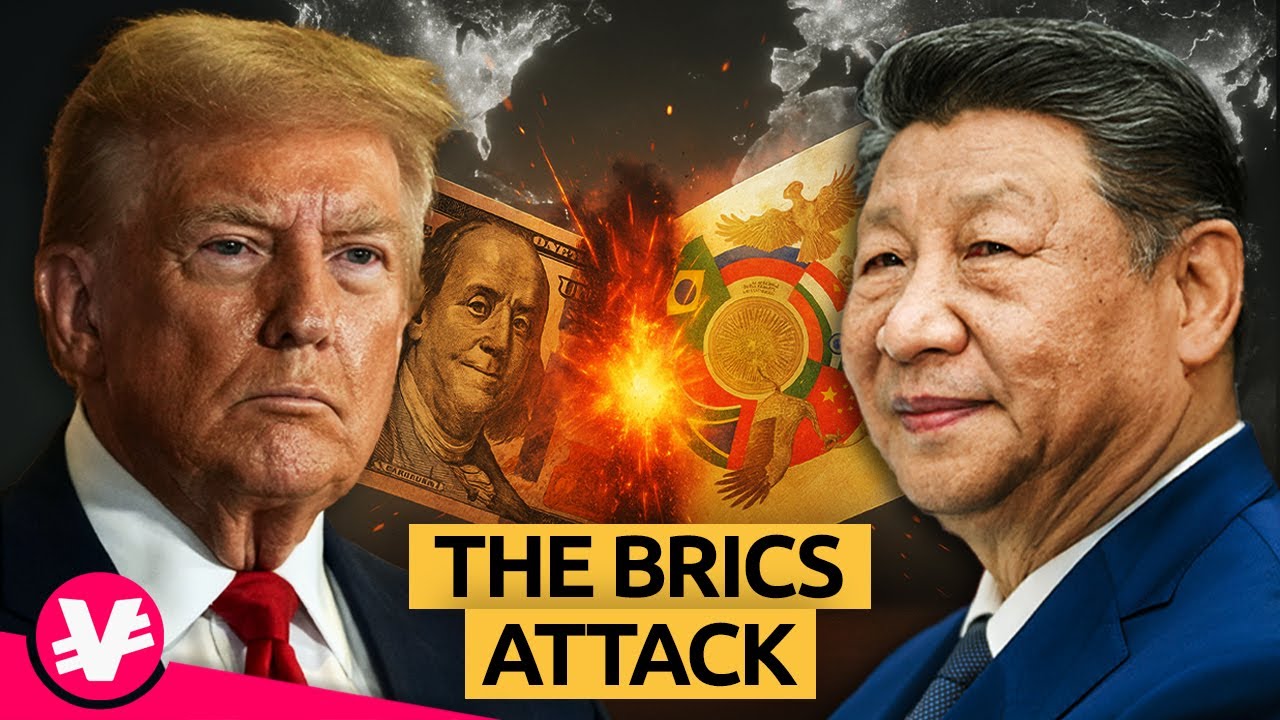
BRICS-Dollar challenge
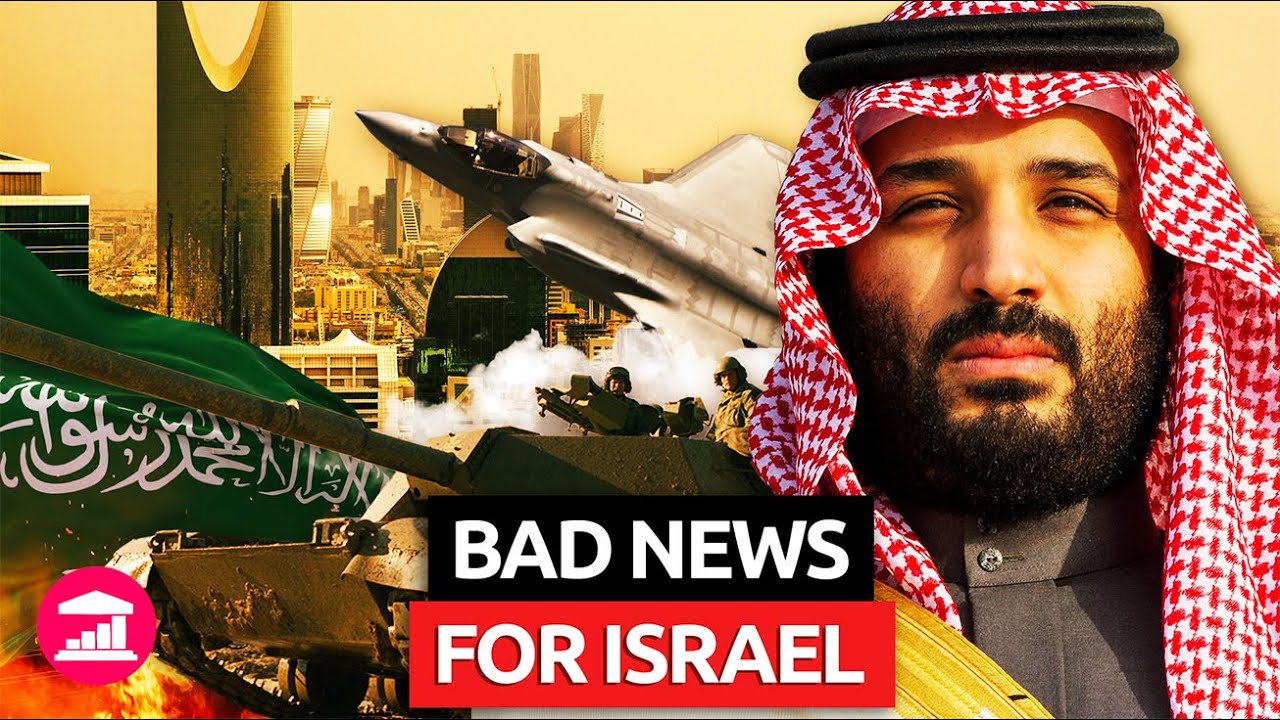
Saudi shift shakes Israel
Al-Qaida’s growing ambitions

Argentina's radical Shift

Hidden Cartel crisis in USA

New York’s lost Luster