-
 Inside the Venezuelan prison meant to 'drive you insane'
-
Trump to tout deals, defend Iran war in UN speech

-
 UK king braces as memoir by Diana's brother goes on sale
-
Sri Lanka to issue verdict in landmark Easter attack trial

-
 No green light to lift EU sanctions on Russian oligarchs, talks to resume
-
Macron says talks with Trump on Red Sea, Ukraine 'constructive'

-
 UK agrees support for Saudi in struggle with Houthis: reports
-
Green policies just good politics, says UK minister

-
 EU foreign policy chief calls for continued sanctions on Russia
-
Bardot auction in Paris fetches nearly one million euros

-
 Flights scrapped, evacuations urged as Typhoon Dujuan wallops Japan
-
No timeline on Daniels injury return, says Commanders coach

-
 Fonseca to take break from tennis
-
British Columbia sues OpenAI in US court over Canada school shooting

-
 A Cuban zoo, and its animals, in epic battle for survival
-
French star Batum retires after 18-year NBA career

-
 Infantino proposes consulting federations to reform FIFA
-
Zidane leads first France training session

-
 El Nino weather pattern enters record territory: scientist
-
Man shot by ICE agent in Texas detained with bullet inside him: lawyer

-
 OpenAI calls for US to lead global effort on AI standards
-
California declares state of emergency ahead of El Nino

-
 South African ostriches plucked alive for luxury fashion: report
-
South Africa arrests three more suspects, after nine women murdered

-
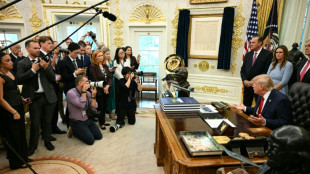 US networks halt Trump coverage in revolt over White House ban
-
Carse needs time away from England, says captain Brook

-
 Paramount settles with US states to clear Warner Bros. mega-merger
-
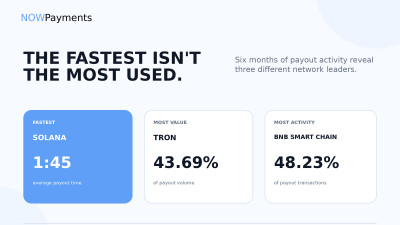
NOWPayments Releases Cross-Chain Payout Data Revealing Key Performance Benchmarks Across TRON, BNB Chain, and Solana
-
 Climate crisis a job for world leaders, not just activists: UK FM
-
British Museum bans photos of Bayeux Tapestry as crowds linger

-
 US networks halt Trump coverage over White House ban
-
COP31 host says AI climate footprint to be a summit priority
-
 French singer accuses Miley Cyrus of plagiarism
-
Berlin's far-left vote winners reject anti-semitism charges

-
 EU fines Google 403 mn euros for location data breach
-
Mancini eager for 'new adventure' on Italy return

-
 'Best is yet to come,' says De la Fuente after Spain extension
-
Mbappe says having Zidane as France coach 'like a film'

-
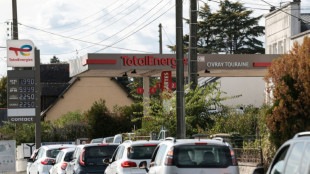 Why diesel prices are rising more than crude oil
-
Palmer, Rice out of England Nations League squad

-
 COP31 host says AI's climate footprint to be a summit priority
-
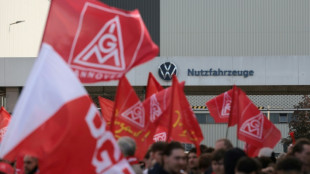
German auto workers stage mass protests in bid to save jobs
-
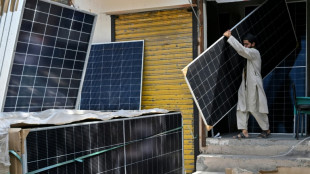 Renewables hit record in 2025, but world must move faster: report
-
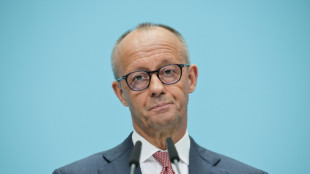
Embattled Merz vows to keep ruling for 'democratic future' of Germany
-
 US media outlets to sue Trump administration after White House ban
-
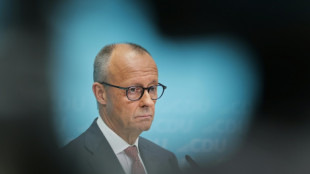
Merz vows to keep ruling coalition together for 'democratic future' of Germany
-
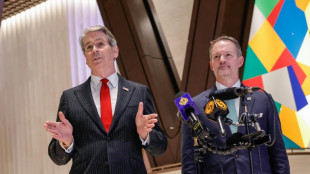 Global stocks rally on lower oil prices, US-China hopes
-
Spain coach De la Fuente gets new deal after World Cup success

-
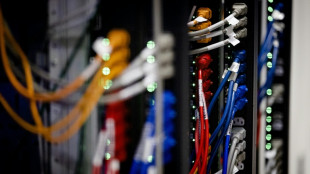 EU proposes energy rating for data centres
-
Pressure grows on Germany's Merz after election defeats

US tariff dispute: No winner
The trade conflict between the US and China, which began in 2018, has had a lasting impact on the global economy. Under the leadership of President Donald Trump and President Xi Jinping, a bitter tariff dispute developed, characterised by reciprocal punitive tariffs and countermeasures. In April 2025, both countries agreed to a temporary reduction in tariffs: the US reduced its tariffs on Chinese goods from 145% to 30%, while China reduced tariffs on US products from 125% to 10%. This 90-day agreement is seen as a step towards de-escalation, but a final resolution of the conflict remains elusive.
Origin and development
It all began in March 2018, when the US imposed tariffs on Chinese imports worth 50 billion dollars in order to reduce the trade deficit and protect domestic industries. China responded promptly with its own tariffs on US goods, triggering a spiral of escalation. Over the years, tariffs were imposed on goods worth hundreds of billions of dollars, ranging from technology products to agricultural goods and consumer goods. This conflict quickly became a central element of the geopolitical rivalry between the two superpowers.
The Phase One Agreement
A milestone was the ‘Phase One’ agreement in January 2020. China committed to purchasing an additional $200 billion worth of US goods over two years, including agricultural products and industrial goods. Improvements in intellectual property protection and a waiver of forced technology transfers were also agreed. However, implementation lagged behind: China did not fully meet its purchase commitments, which kept tensions high and prompted the US to consider new measures.
Current situation
The April 2025 agreement marks another attempt to defuse the conflict. Nevertheless, the situation remains fragile. China has intensified its trade relations with countries in Southeast Asia in order to reduce its dependence on the US market. At the same time, the US is threatening new tariffs on Chinese electric vehicles, which could reignite the dispute. These developments make it clear that the tariff dispute goes far beyond pure trade policy and is deeply embedded in strategic considerations.
Economic impact
The economic consequences are being felt by both sides. In the US, higher import prices have weighed on consumers, while companies are struggling with higher costs and disrupted supply chains. China has seen its economic growth slow, but has shown resilience thanks to diversified trading partnerships. The conflict has not only damaged bilateral relations, but also reshaped the global economy as both countries seek to minimise their mutual dependence.
Conclusion: A stalemate with no winners
The tariff dispute between Trump and Xi Jinping has not produced a clear winner. Although the US was able to force some concessions, China has strengthened its strategic position through diversification and technological independence. Both countries are paying a high economic price, and the latest tariff reduction is merely a temporary truce. The conflict remains an open chapter in the rivalry between the US and China, with neither side gaining the upper hand.
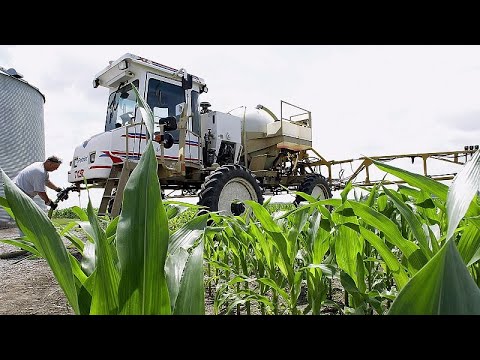
EU: No agreement on 10-year extension for glyphosate

Ukraine: When will the world stand up to Russian terror?

Warming: Methane levels rising, is this nature's answer?
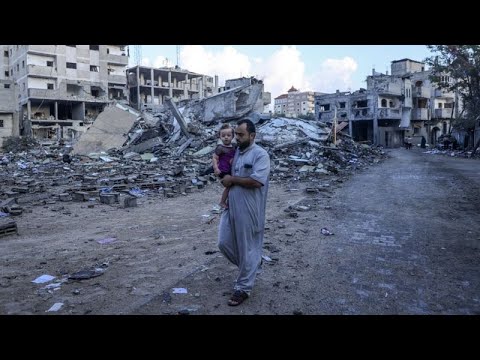
Israel has every right to destroy Hamas and Hezbollah!

What are the effects of climate change on sea flora?

Azerbaijan is in control: Armenians flee Nagorno-Karabakh
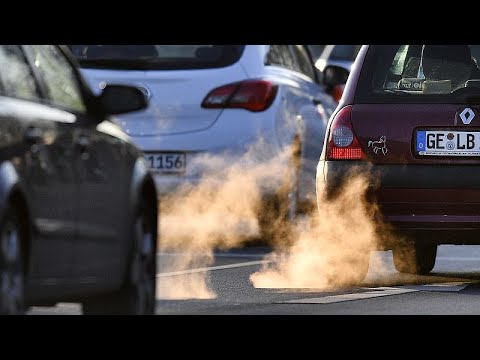
EU countries agree on watered-down car emissions proposal
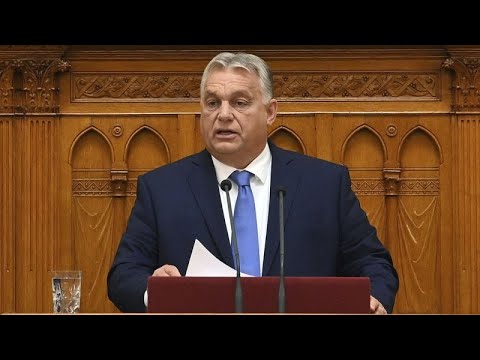
Hungary-Dictator PM Orban claims EU 'deceived' Hungary
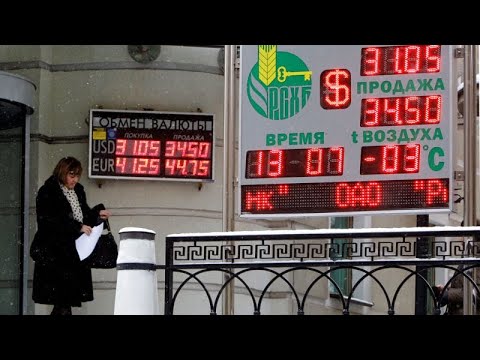
Ruble at the end: Russia's currency on the brink of collapse

Russia in Ukraine: murder, torture, looting, rape!
That's how terror Russians end up in Ukraine!